🎙 Listen to a summary of this story
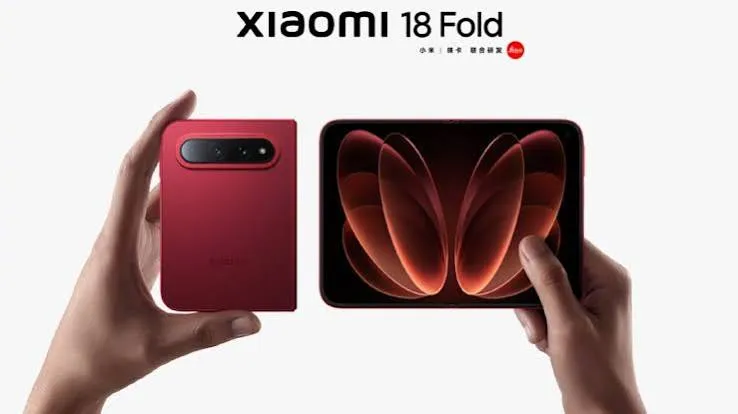
Xiaomi 18 Fold is confirmed to feature a massive 6000mAh high-density stacked battery, addressing a critical endurance bottleneck facing premium foldable smartphones.
The inclusion of the high-capacity cell signals a strategic pivot by Xiaomi to prioritize all-day usability within its foldable flagship line. Industry reports indicate the stacked battery technology is engineered to maximize energy density while maintaining the slim profile necessary for a deployable form factor.
This substantial power reserve is crucial for devices that inherently consume more energy due to complex hinge mechanisms, high-resolution displays, and constant power management required by folding screens. The 6000mAh capacity positions the 18 Fold competitively against other high-end devices, mitigating range anxiety for power-intensive users.
The Xiaomi 18 Fold itself is expected to be a significant offering in the highly contested premium foldable segment. Beyond the battery specifications, market anticipation centers on its display technology, processing power, and overall build quality, all of which must support the demanding power requirements of the large cell.
This development underscores a clear industry trend: as form factors become more complex, battery capacity must scale commensurately to deliver a viable consumer experience. Xiaomi's commitment to this specification suggests a focus on longevity as a primary competitive differentiator against rivals.
Powering the Foldable Frontier
The technical integration of a 6000mAh cell into a foldable chassis presents notable engineering challenges. Achieving high density without compromising the structural integrity or increasing the device's overall thickness requires advanced material science and sophisticated cell design, which the "stacked" designation implies.
This battery architecture allows manufacturers to fit significant power into a constrained volume, a necessity when designing a device that must fold flat. The battery management system (BMS) governing this cell will be equally critical, tasked with optimizing charging speeds, ensuring thermal stability, and managing power distribution across the large, flexible display panel.
Analysts suggest that this robust power solution enables the Xiaomi 18 Fold to support intensive multitasking, extended video streaming, and heavy application usage without requiring mid-day recharging. This shift from merely offering a foldable screen to offering a genuinely powerful, enduring computing experience is strategically significant.
The market positioning of the 18 Fold, backed by this energy capacity, targets users who demand flagship performance across both mobile and tablet-like use cases. By solving the power equation, Xiaomi elevates the device from a technological novelty to a practical, daily driver.
Strategic Market Implications
The emphasis on endurance within the Xiaomi 18 Fold reflects broader consumer demands that are rapidly evolving beyond mere screen size or folding capability. Modern premium buyers require performance parity with non-foldable flagships, and battery life remains a primary gatekeeper to adoption.
For Xiaomi, this move solidifies its aggressive push into the high-margin foldable market segment. By tackling the power challenge head-on, the company mitigates the most common complaint associated with early generations of folding phones.
Ultimately, this high-density battery integration is a tangible signal of Xiaomi's commitment to refining the foldable experience, aiming to establish the 18 Fold as a benchmark device for power and portability in the next generation of mobile technology.