
🎙 Listen to a summary of this story
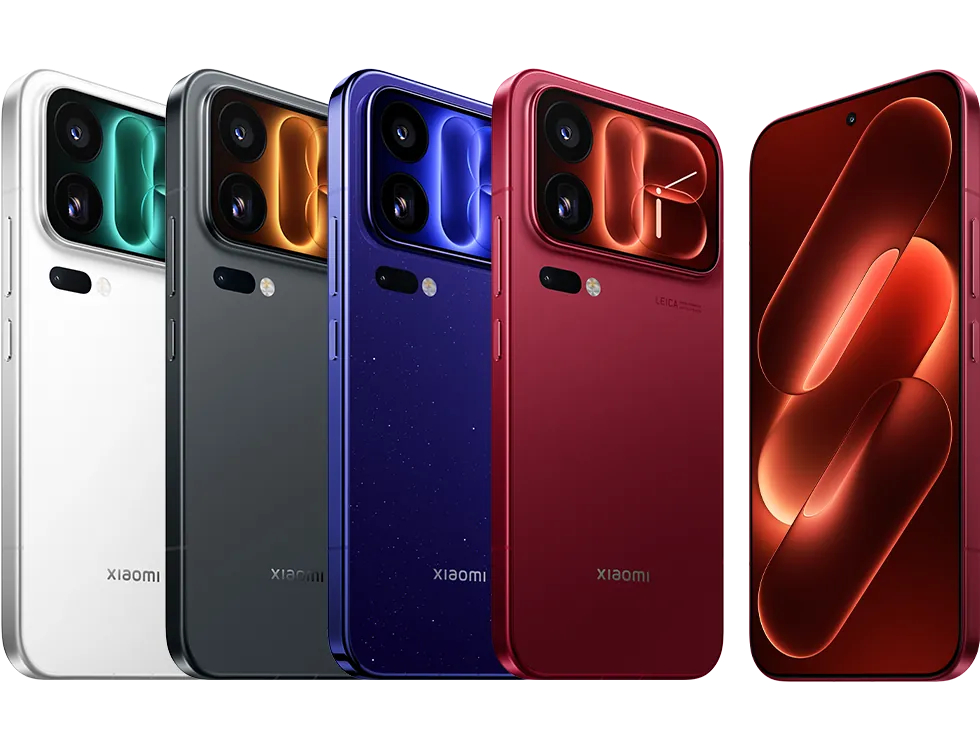
Xiaomi is aggressively solidifying its global footprint, evidenced by strong pre-order activity in the UAE and clear strategic targeting of the European market.
This sustained international momentum signals a deliberate pivot from relying primarily on domestic volume to achieving scalable, diversified revenue streams across key emerging and mature markets. The recent success in the United Arab Emirates acts as a critical validation point for the company’s regional operational models, proving the viability of its rapid deployment strategy in highly competitive Middle Eastern consumer electronics environments.
The expansion trajectory is not merely about increasing unit sales; it represents a complex logistical and branding undertaking designed to counter entrenched market incumbents. By establishing footholds in diverse geographies—from the Gulf to Western Europe—Xiaomi is executing a sophisticated strategy to de-risk its reliance on any single economic bloc, fundamentally reshaping its profile as a true multinational technology conglomerate.
Commercial Penetration and Product Strategy
The commercial dynamics supporting this overseas push hinge on the aggressive pricing structure combined with rapidly improving hardware sophistication. In regions like the UAE, initial demand appears driven by Xiaomi’s value proposition—offering high-specification components, such as advanced imaging sensors and efficient chipset integration, at a price point significantly undercutting premium competitors. This early adoption phase allows the brand to build crucial market share and operational data.
The impending focus on Europe introduces a layer of complexity involving stringent regulatory compliance, particularly concerning data privacy (GDPR) and energy efficiency standards. Xiaomi’s commercial strategy here necessitates localizing its service infrastructure, moving beyond simple product importation. Successful navigation of the European market will depend on localized software optimization and establishing robust after-sales support networks, transforming transactional sales into sustained customer relationships.
Furthermore, the product mix being pushed internationally is increasingly sophisticated, moving beyond entry-level smartphones. The inclusion of specialized IoT devices and high-end wearables within the expansion portfolio demonstrates a broader ecosystem play. This integrated approach allows Xiaomi to capture consumer spend across multiple product categories, increasing the lifetime value of the acquired customer base.
Geopolitical Shifts and Market Trajectory
This concerted international expansion must be viewed against the backdrop of escalating geopolitical tensions influencing the global semiconductor and supply chain ecosystems. Xiaomi’s diversification across varied operational theaters acts as a subtle hedge against trade volatility. By establishing manufacturing and distribution touchpoints outside of singular, high-risk zones, the company enhances its overall resilience.
The sustained success in capturing market share in these diverse regions places significant pressure on legacy technology giants who have enjoyed decades of unchallenged dominance. Xiaomi is effectively challenging the established hierarchy, forcing competitors to re-evaluate their own product lifecycle management and distribution efficiencies. This is not merely a sales contest; it is a structural realignment of power within the consumer electronics sector.
Ultimately, Xiaomi’s strategic maneuvers underscore a broader trend: the globalization of manufacturing capabilities meeting the hyper-localization of consumer demand. The company is proving that aggressive, digitally native scaling can effectively bypass traditional barriers to entry in established global markets.