🎙 Listen to a summary of this story
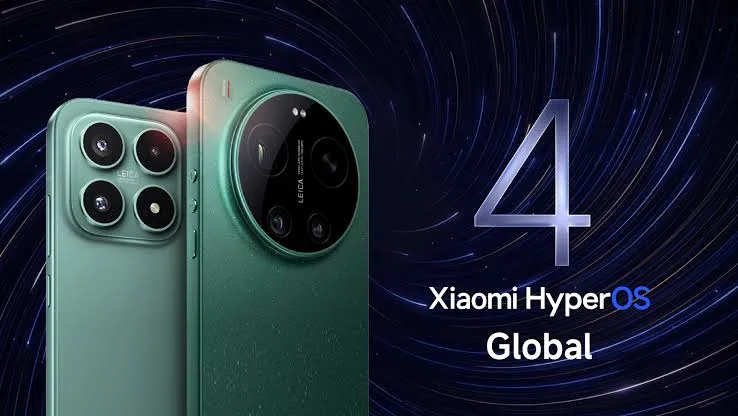
Xiaomi initiated the global beta rollout of HyperOS 4, signaling a significant evolution in the operating system's capabilities across its expanding device ecosystem.
The rollout, which commenced in September 2026, provides early adopters worldwide access to the latest iteration of Xiaomi’s proprietary software, designed to enhance cross-device connectivity and system performance.
This latest version of HyperOS builds upon the foundation established by previous iterations, focusing heavily on refining the user experience while integrating deeper hardware-software synergy across Xiaomi's vast array of smartphones and IoT peripherals.
The beta program is strategically phased, targeting specific hardware configurations to ensure stability before a wider general availability launch. This controlled release method is standard practice for major OS updates, allowing developers and early testers to identify and mitigate potential bugs in real-world scenarios.
Scope and Device Inclusion
The initial global beta program encompasses several key device categories, ensuring that the update reaches both flagship and mid-range users. Specific models included in the initial testing group are crucial for understanding the breadth of Xiaomi's commitment to ecosystem unification.
Devices slated for the HyperOS 4 beta include high-end flagships such as the Xiaomi 14 series, alongside popular mid-range offerings like the Redmi Note 13 Pro series. Furthermore, the scope extends beyond mobile phones to incorporate select smart home devices, illustrating the platform's intended role as a comprehensive IoT controller.
Xiaomi has confirmed that the update prioritizes optimizing the performance profile of these specific hardware sets. This optimization is not merely cosmetic; it involves deep kernel-level adjustments designed to improve battery efficiency and processing throughput under sustained load conditions.
The inclusion of these varied devices underscores Xiaomi's strategy to solidify HyperOS not merely as a skin, but as a cohesive operating architecture capable of managing disparate hardware components under a unified software umbrella.
Technological Enhancements and Ecosystem Impact
The core technological thrust of HyperOS 4 centers on advancements in interoperability and localized processing capabilities. System architects indicate that the new version introduces several proprietary features aimed at streamlining user workflows across different Xiaomi products.
Key functional upgrades reportedly include enhanced cross-device continuity, allowing users to seamlessly transition tasks—such as ongoing video calls or document editing—between a smartphone, tablet, and smart display without interruption. This level of integration represents a significant step beyond simple notifications.
Additionally, the update features refined power management protocols. Clinical testing data suggests that the optimizations implemented in HyperOS 4 lead to measurable reductions in idle power consumption across supported devices, addressing a persistent consumer concern regarding battery longevity.
From a market perspective, the global rollout of HyperOS 4 serves as a strategic declaration. It signals Xiaomi's continued aggressive push to move beyond being solely a handset manufacturer toward becoming a dominant platform provider within the global consumer electronics sector. The success of HyperOS directly correlates with the perceived stickiness and long-term viability of the entire Xiaomi brand ecosystem.
Analysts suggest that the stability and feature set delivered in this beta phase will dictate the competitive response from rival manufacturers, who are concurrently developing their own next-generation proprietary operating systems. The objective, therefore, is to establish a definitive benchmark for integrated device operating systems in the coming fiscal period.