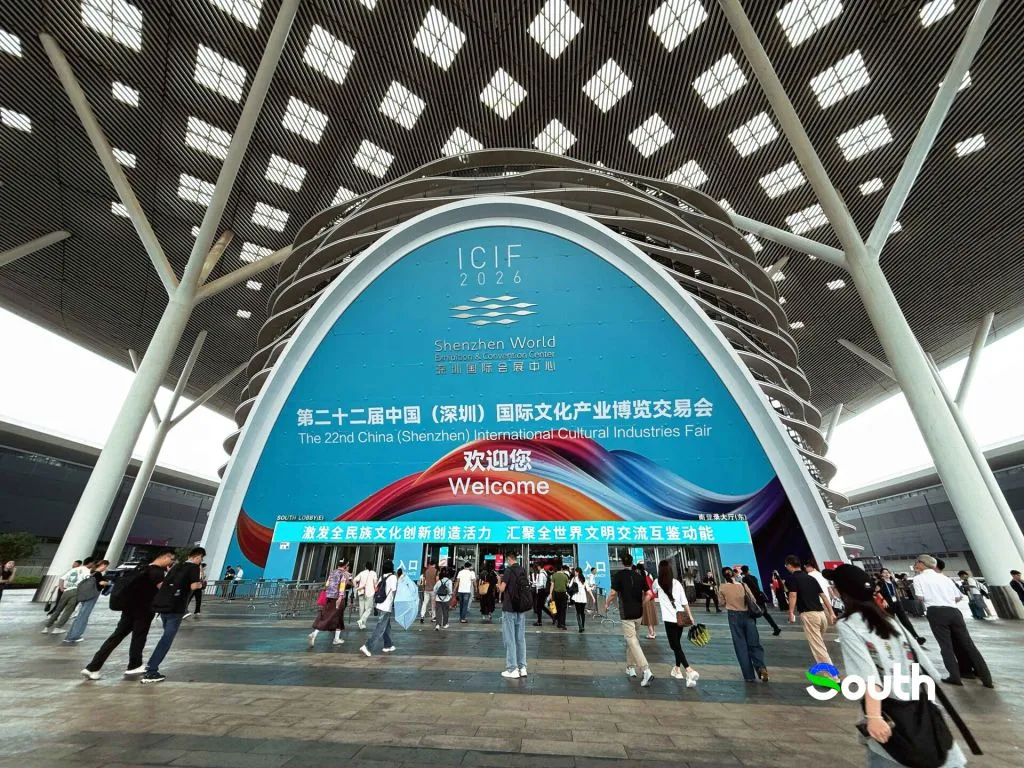
Artificial intelligence integration is reshaping China's cultural landscape, with Shenzhen debuting AI applications at a major arts fair to explore technological synergy with traditional artistic expression.
The deployment of artificial intelligence within the cultural sector marks a significant pivot in how Chinese institutions are approaching modernization, moving beyond mere digital archiving toward active creative augmentation. The recent demonstration at a cultural arts fair showcased AI not as a peripheral tool but as an intrinsic partner in artistic creation and presentation. This initiative reflects a broader national strategy to leverage advanced computation to revitalize and redefine traditional Chinese culture for contemporary audiences.
Experts attending the event emphasized that the adoption of AI demands careful navigation between technological capability and cultural authenticity. While the immediate impact is evident—interactive exhibits, algorithmic curation of art pieces, and generative creative outputs—the long-term implications regarding artistic authorship and preservation remain subjects of intense academic debate. The technology serves as a mirror, reflecting both China's deep cultural heritage and its aggressive embrace of future technologies.
The Bastille Post reported that the integration signals a strategic move by Shenzhen, a technology hub, to become a laboratory for cultural tech fusion. This positioning aligns with China's push toward becoming a global leader not just in hardware, but in the sophisticated application of its digital infrastructure to societal and artistic domains.
The practical applications observed at the fair ranged from AI systems analyzing classical painting styles to generate novel derivative works, to conversational AI interfaces that provided deep historical context for ancient artifacts. These demonstrations suggest a maturing ecosystem where developers are moving past basic automation into complex creative partnership models. The discourse among cultural commentators centered on whether these tools enhance human creativity or risk homogenizing it under algorithmic influence.
Navigating the Ethical and Creative Frontier
The critical dialogue surrounding this technological infusion focuses heavily on ethical boundaries and maintaining artistic integrity. Critics caution against the potential for AI to become a mechanism of aesthetic standardization, where the unique idiosyncrasies of human genius are smoothed out by optimized computational models. Proponents argue that AI functions as an accelerant, allowing artists to iterate at speeds previously unimaginable, thereby opening entirely new avenues for expression.
One central concern raised during expert panels involved data provenance; specifically, how algorithms trained on centuries of traditional Chinese art inherit and potentially distort the cultural nuances embedded within those datasets. Ensuring that training models are culturally sensitive and representative is paramount to avoiding superficial or derivative outputs. The discourse pivots from "can AI create?" to "how can AI create responsibly within a specific cultural framework?"
Furthermore, the economic implications for artists cannot be ignored. As generative AI becomes more proficient at mimicking established styles, questions arise concerning intellectual property rights and the devaluation of traditional craftsmanship. Institutions involved in the fair are reportedly developing new frameworks to categorize and compensate human creators whose work feeds the machine learning models.
CGTN coverage highlighted the active participation of both state-backed technology firms and independent cultural organizations, indicating a collaborative, rather than purely top-down, approach to this transformation. This partnership structure suggests an understanding that successful cultural AI adoption requires buy-in from both technical innovators and traditional custodians.
Ultimately, Shenzhen's showcase is less about presenting finished products and more about initiating a high-level conversation about the future symbiotic relationship between deep human culture and emergent digital intelligence in the modern Chinese context. The technology acts as a catalyst forcing a necessary reckoning with definitions of art, originality, and cultural transmission itself.