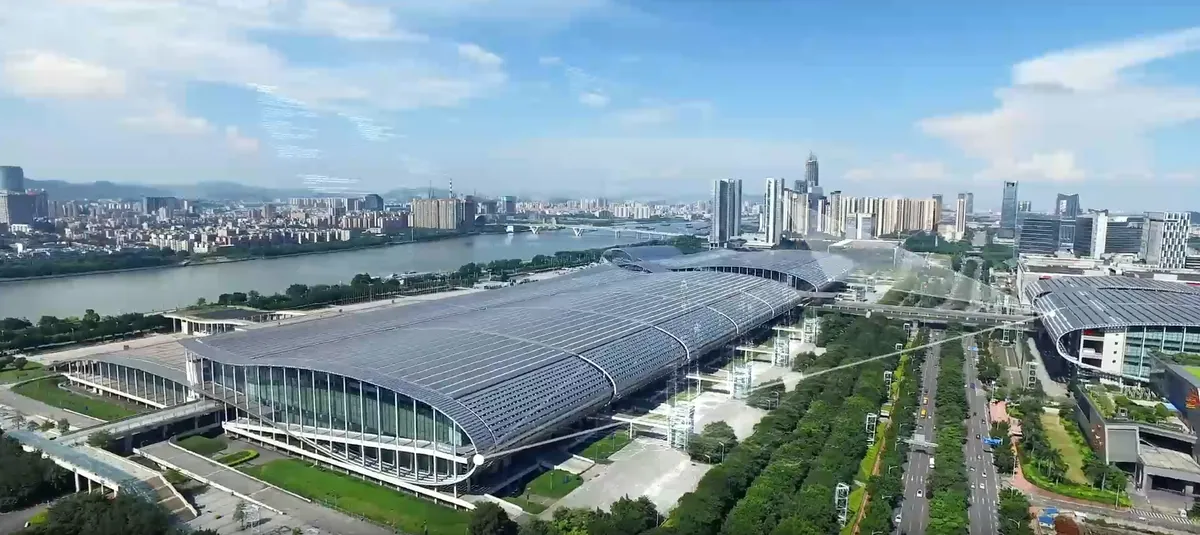
Seven hundred participants convened in Guangzhou to explore the latest advancements in smart equipment and artificial intelligence at a major industry exhibition.
The Guangzhou International Smart Equipment and Artificial Intelligence Exhibition 2026 served as a critical nexus for technology developers, industry stakeholders, and researchers seeking insights into the rapid evolution of intelligent systems within the manufacturing and consumer electronics sectors. Organizers emphasized the growing convergence between physical hardware and sophisticated AI capabilities driving next-generation industrial applications.
Industry Focus and Technological Showcases
The exhibition floor featured dozens of booths showcasing innovations ranging from predictive maintenance sensors to advanced machine vision systems. Attendees demonstrated keen interest in solutions that promise operational efficiencies and reduced downtime across various production lines.
A significant focus area addressed by exhibitors was the integration of edge computing into smart devices. This trend allows complex AI algorithms to process data locally on the device rather than relying solely on centralized cloud infrastructure, thereby reducing latency—a critical factor in real-time industrial control systems.
Presentations highlighted breakthroughs in generative AI applied to hardware design and quality control. Companies detailed how machine learning models are now assisting engineers in optimizing component placement and identifying microscopic manufacturing defects with unprecedented accuracy.
Furthermore, the exhibition provided a platform for discussions surrounding data security within IoT ecosystems. Given the increasing volume of proprietary operational data being generated by smart equipment, robust cybersecurity protocols were a recurring theme among keynote speakers and panel participants.
Market Trends and Future Trajectories
Discussions at the event pointed toward a near-term market shift favoring modular and adaptable smart solutions over monolithic systems. Businesses are increasingly demanding hardware platforms that can be upgraded or reconfigured as AI models evolve, ensuring longer lifecycle value for their capital investments.
One key trend observed was the increasing application of digital twins in industrial settings. These virtual replicas allow manufacturers to simulate the performance of physical smart equipment under various conditions before deploying them on the factory floor, significantly mitigating deployment risk.
According to industry analysts present at the gathering, the demand for AI-enabled automation is not merely incremental; it represents a fundamental restructuring of traditional operational paradigms. The convergence showcased in Guangzhou underscores this transition from simple automation to cognitive automation.
The event concluded with calls for tighter collaboration between hardware manufacturers and software developers. Successful implementation of cutting-edge smart equipment, the consensus among attendees, requires seamless integration at the foundational level, not merely bolted-on intelligence.