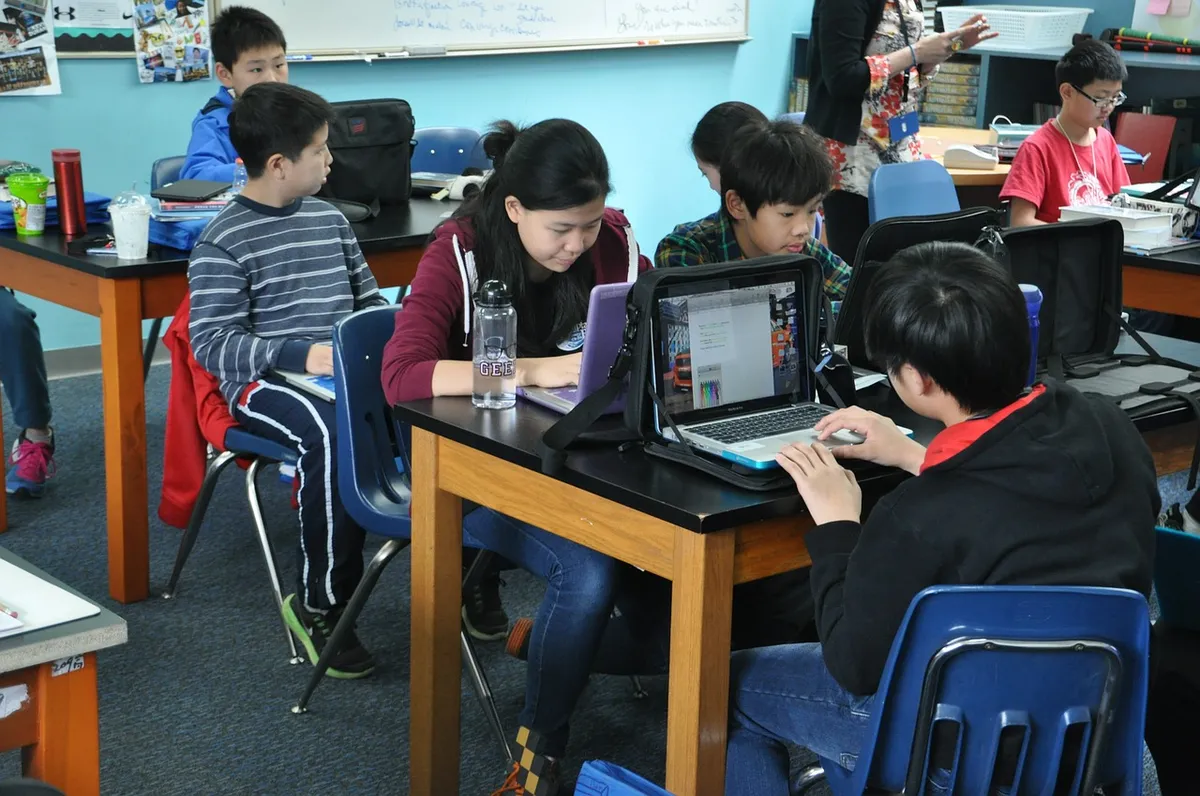
Chinese students are increasingly migrating to AI-powered tutoring platforms this summer, signaling a structural shift in the nation's intense academic preparation culture.
AI Reshapes China's Summer Learning Landscape
The proliferation of artificial intelligence tools is fundamentally altering how millions of Chinese students approach their mandated summer study periods, moving away from traditional, often rote-learning methods toward personalized digital instruction. Reports indicate a significant uptake in AI tutors as parents seek supplementary educational advantages outside the rigid confines of the school system.
This trend reflects broader societal pressures within China's education sector, where academic performance remains inextricably linked to future career prospects. AI platforms offer an on-demand solution to the relentless pressure for achievement, providing customized learning paths that human tutors often cannot sustain across vast numbers of students.
These sophisticated applications leverage machine learning algorithms to diagnose individual knowledge gaps with precision, something traditional tutoring struggles to achieve at scale. The technology adapts content difficulty in real-time based on student input and performance metrics, creating a hyper-personalized study environment during the break.
The market penetration of these tools is accelerating rapidly throughout the summer months, which are traditionally dedicated to intensive review and preparation for the subsequent academic year's high-stakes examinations. The convenience factor—allowing students to learn at their own pace regardless of geographical constraints or scheduling conflicts—is a major driver of adoption.
Furthermore, these AI tutors often incorporate features that mimic advanced pedagogical techniques, such as adaptive quizzing and immediate feedback loops, which cater directly to the learning styles prevalent among digitally native Chinese youth. This shift suggests that parental investment is moving not just toward tutoring, but toward technologically augmented instruction.
The Implications for Education Policy and Industry
The rapid consumer adoption of AI tutors presents both opportunities and challenges for China's entrenched educational framework. While the technology promises democratized access to high-quality, individualized education previously reserved for affluent families, its widespread use raises questions about content standardization.
Industry analysts suggest that this reliance on algorithmic instruction places new demands on ed-tech developers to ensure their platforms are not merely engaging but pedagogically rigorous. The efficacy of these AI models in truly fostering deep conceptual understanding rather than just optimizing test scores remains a critical area of scrutiny for educators and policymakers.
The competitive landscape among Chinese ed-tech firms is intensifying as they vie to integrate more nuanced AI capabilities into their offerings. Success hinges on moving beyond simple content delivery toward genuine cognitive scaffolding provided by the machines.
This migration underscores a larger national pivot: acknowledging that technological integration is no longer supplementary but central to achieving educational excellence in a globally competitive environment. For parents, AI tutors represent an optimized investment against the backdrop of increasingly fierce scholastic competition.