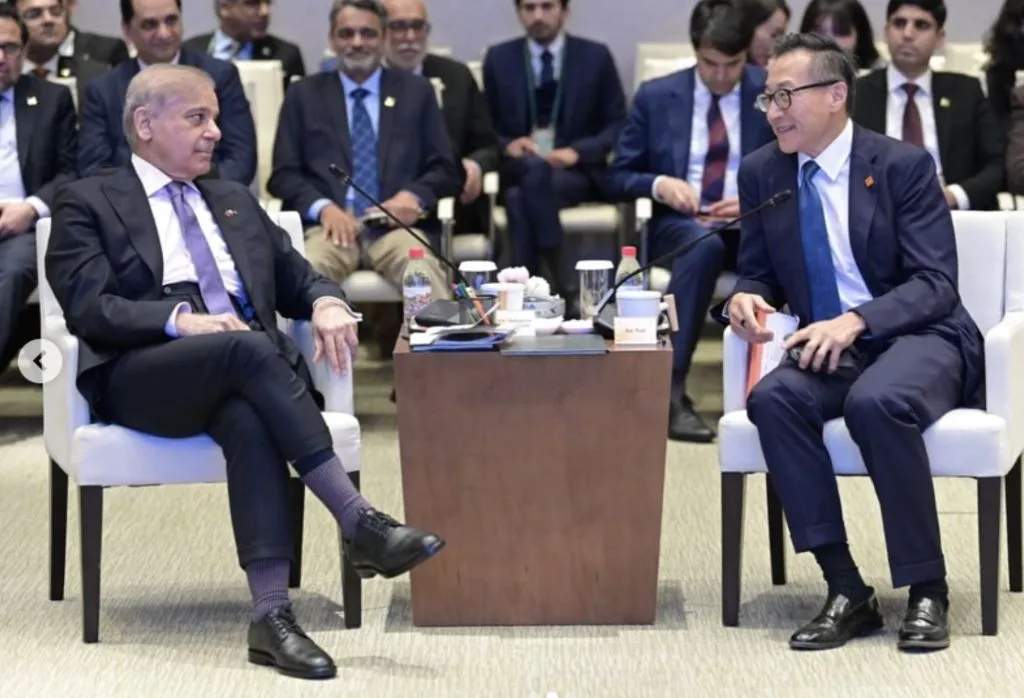
Alibaba’s Qwen large language model is accelerating efforts to finalize a significant technology deal with Pakistan, matching the pace of advanced local initiatives.
Qwen's Role in Pakistani Tech Advancement
The integration of Alibaba's generative AI capabilities into regional strategic planning marks a key inflection point for digital infrastructure development in Pakistan. Qwen is reportedly proving capable of handling complex linguistic and technical requirements necessary for closing the high-stakes agreement.
This technological push aligns with Pakistan’s growing emphasis on leveraging sophisticated AI solutions to bolster its economic framework and modernize public services. The speed at which Qwen has demonstrated proficiency mirrors the rapid development cycle observed in domestic Pakistani tech ventures, often termed 'Sharif speed.'
The strategic value lies not just in translation or basic data processing, but in the model’s ability to manage nuanced business negotiations and technical specifications inherent in large-scale infrastructure contracts. Industry observers suggest that Qwen's performance significantly reduces the friction typically associated with international technology deployments.
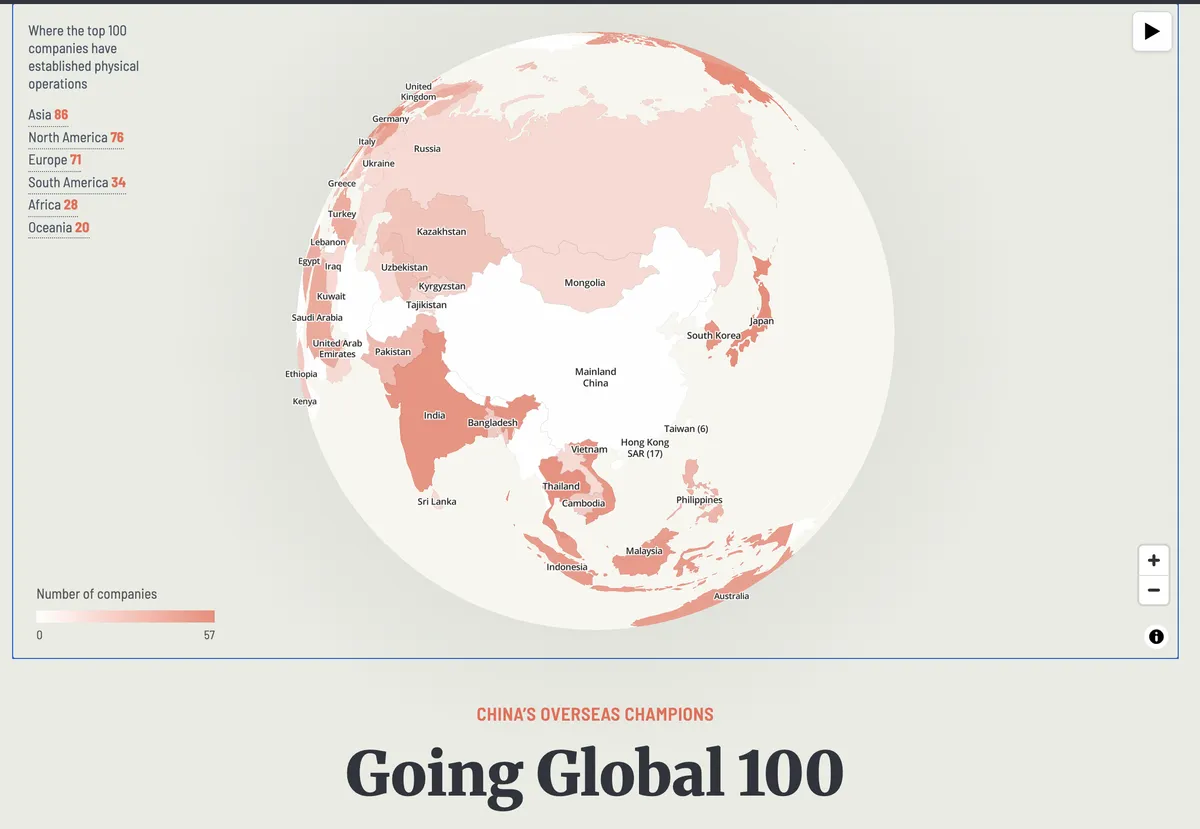
Furthermore, Alibaba's deployment of this advanced LLM signals a deepening commitment from Chinese tech giants to the South Asian market. The partnership transcends mere hardware sales; it involves embedding cutting-edge intellectual property into critical national projects.
The successful application of Qwen in this Pakistani context positions it as a leading example of how global AI models can be tailored for specific regional operational demands, providing both efficiency and localized relevance to the final agreement's terms.
Implications for Regional Tech Sovereignty
This engagement highlights a broader geopolitical trend where technological capability directly influences diplomatic and economic leverage. By deploying Qwen, Alibaba provides Pakistan with access to world-class computational power without necessarily requiring complete data localization or full indigenous development at this stage of the partnership.
The 'Sharif speed' reference underscores a local cultural appreciation for rapid execution and problem-solving—a characteristic now being augmented by advanced machine learning. This synergy between agile local operations and powerful global AI is proving highly effective in deal-making environments.
Analysts note that the ability of Qwen to process intricate regulatory frameworks alongside technical blueprints offers a substantial competitive advantage in securing complex government contracts. It allows for near real-time analysis of risk versus reward across disparate documentation sets.
The move also puts pressure on other regional technology providers to rapidly enhance their own generative AI offerings if they wish to compete for similar high-value partnerships within Pakistan. The benchmark has been effectively raised by the demonstrated efficacy of Alibaba's toolset.
Ultimately, the successful forging of this Pakistani deal utilizing Qwen serves as a tangible case study demonstrating how sophisticated LLMs are transitioning from theoretical laboratory achievements to indispensable tools in practical, high-stakes international commerce and strategic development.