🎙 Listen to a summary of this story
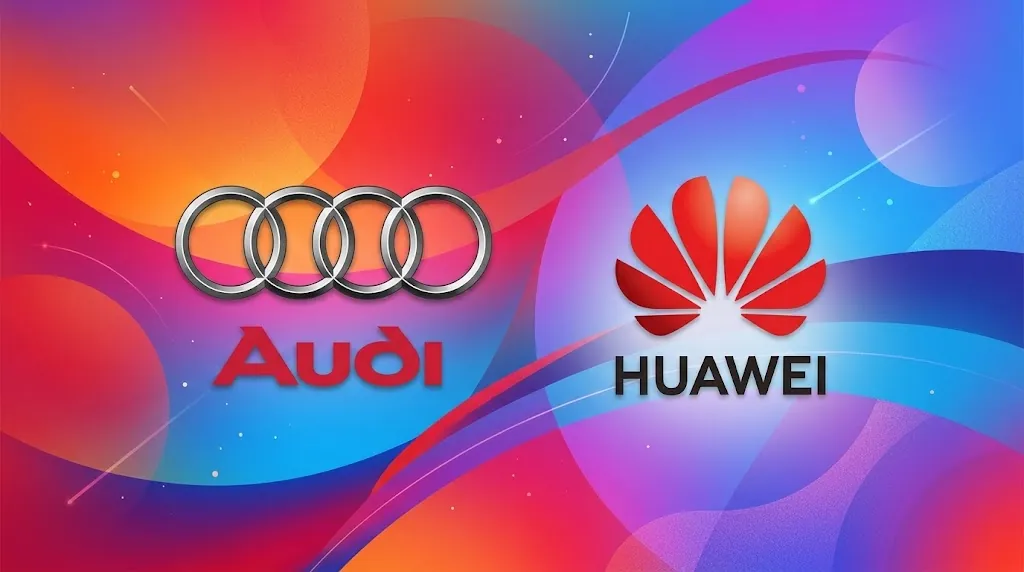
Audi is reportedly pursuing a Huawei-based platform for its forthcoming next-generation A8 model manufactured within China, signaling a significant strategic pivot toward domestic Chinese technology ecosystems.
This potential adoption moves the luxury automaker away from established Western suppliers and firmly into the orbit of Huawei's sophisticated in-car computing architecture. The move is particularly noteworthy given the current geopolitical climate that has complicated supply chains for high-end automotive electronics globally.
If confirmed, this partnership would represent a major validation of Huawei’s capabilities within the highly demanding luxury segment, effectively embedding its technology deep into European premium brand vehicles built in Asia.
Technical and Commercial Implications of the Partnership
The A8 platform is slated for production in China, making the selection of a localized, robust computing system paramount to meeting regional demands and regulatory requirements. Huawei's proposed platform offers comprehensive solutions covering infotainment, driver assistance systems (ADAS), and overall vehicle connectivity.
Sources indicate that this integration would leverage specific hardware and software stacks developed by Huawei, allowing Audi to tailor the digital cockpit experience specifically for the Chinese consumer market while maintaining brand integrity. This suggests a deep level of customization beyond simple component sourcing.
Commercially, utilizing a local powerhouse like Huawei streamlines logistics and mitigates risks associated with transatlantic technology dependencies. It allows Audi to benefit from rapid iteration cycles characteristic of major Chinese tech firms.
Broader Industry and Geopolitical Ramifications
This reported pursuit underscores a growing trend among global OEMs: the strategic balancing act between Western brand prestige and reliance on resilient, localized supply chains anchored in China. Automakers are increasingly viewing technology partners not merely as vendors but as crucial geopolitical allies.
The acceptance of a Huawei platform by Audi signals a pragmatic acknowledgment that technological sovereignty—or at least diversified sourcing—is now more valuable than absolute adherence to legacy Western supplier relationships. This plays directly into the broader narrative of "de-risking" global manufacturing footprints.
For Huawei, securing a contract with an established luxury manufacturer like Audi elevates its standing from merely a telecommunications giant to a validated Tier 1 automotive technology provider on the world stage. It solidifies their competitive edge against rivals in the burgeoning intelligent cockpit market segment.
The success or failure of this specific integration will serve as a bellwether for how deeply Western luxury brands are willing to integrate Chinese technological infrastructure into core vehicle architecture moving forward, particularly within the high-volume production zones of Asia.