
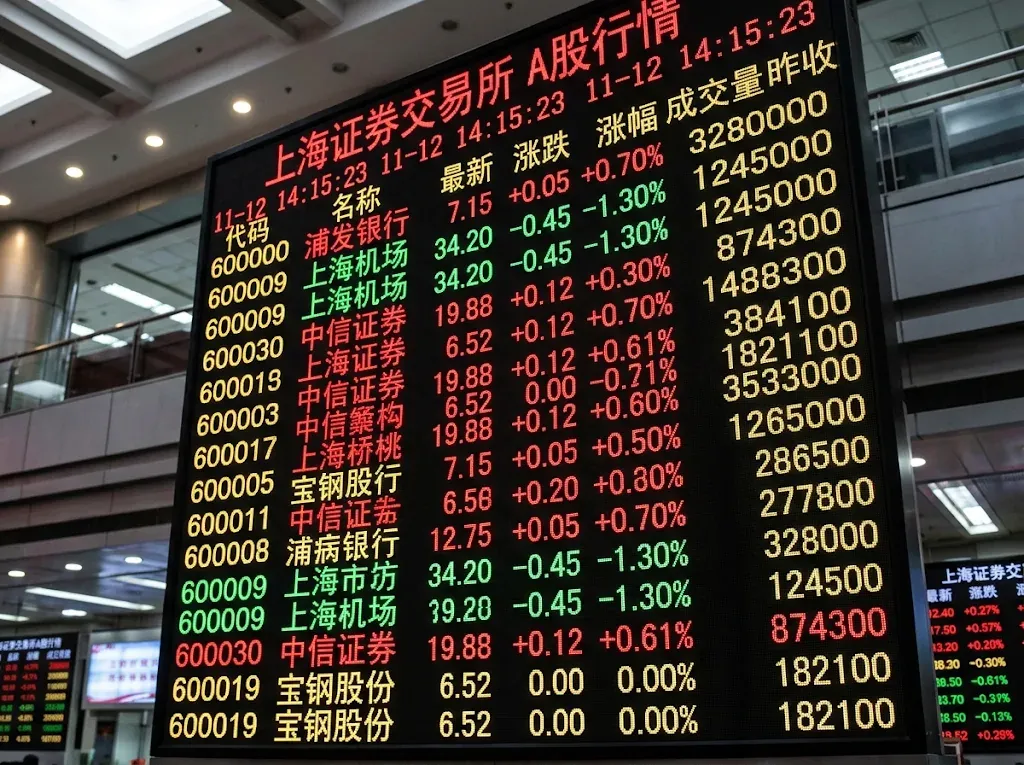
Chinese technology firms stand to unlock a potential 15% valuation boost if Beijing successfully pushes for increased cash returns from listed entities, signaling a major policy shift in capital management according to reports in the South China Morning Post.
This regulatory impetus aims to recalibrate the valuation models of major domestic tech players, moving away from purely high-growth, intangible asset valuations toward tangible shareholder value. The push reflects a broader governmental strategy to stabilize the domestic capital market following periods of intense regulatory scrutiny and market volatility across the tech sector.
The initiative suggests a pivot by Beijing to incentivize companies to translate substantial retained earnings into distributions, thereby directly benefiting shareholders and potentially injecting liquidity into the wider financial ecosystem. Analysts suggest this signals a maturation phase for the Chinese tech boom, where profitability and shareholder returns are becoming as critical as sheer market penetration.
Commercial Mechanics of the Policy Shift
The mechanism driving this potential valuation uplift centers on the perceived financial health and commitment to capital efficiency demonstrated by firms opting for higher dividend payouts or share buybacks. Under the current policy framework, market sentiment often rewards predictable returns, particularly when growth forecasts face uncertainty due to economic headwinds.
For firms with significant cash reserves—a common feature among established Chinese tech giants—the move to repatriate capital is viewed not merely as a payout, but as a quantifiable demonstration of operational strength. This tangible financial action provides a concrete metric for investors to anchor their valuation models against, rather than relying solely on forward-looking, often speculative, revenue projections.
The regulatory clarity surrounding these cash returns is paramount. It mitigates risk for institutional investors, who are increasingly demanding governance structures that prioritize shareholder alignment. The government’s encouragement acts as a powerful catalyst, essentially de-risking the act of returning capital to the market.
Broader Industry and Geopolitical Ramifications
This emphasis on cash return transcends mere quarterly earnings reports; it is a strategic signal regarding China’s evolving role in the global technology narrative. By stabilizing domestic valuations, Beijing seeks to bolster investor confidence, which is crucial for maintaining the attractiveness of Chinese equities to international capital.
Geopolitically, the move offers a subtle counter-narrative to external concerns regarding corporate governance or overvaluation. It frames Chinese tech success not just as innovation capacity, but as robust, fundamentally sound profitability capable of supporting tangible investor rewards. This narrative is vital for navigating ongoing international trade tensions.
Ultimately, if implemented successfully, this policy could trigger a structural revaluation across the entire Chinese tech landscape. It shifts the market focus from an aggressive, unchecked pursuit of hyper-growth to a more disciplined, sustainable model where operational excellence is directly rewarded through capital efficiency, thereby influencing future investment flows both domestically and internationally.