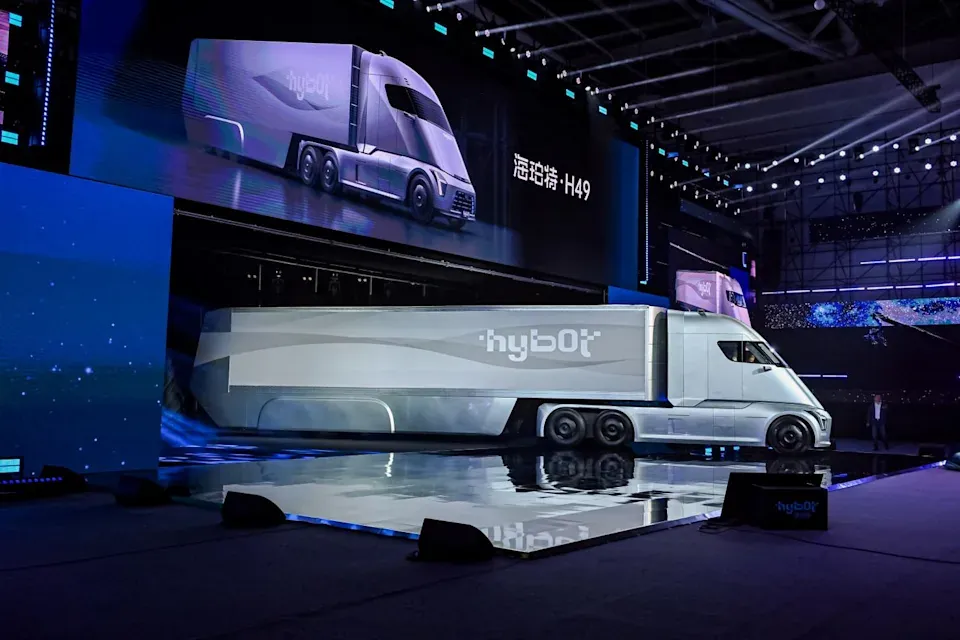
Beijing city officials are accelerating investment in hydrogen fuel cell electric vehicles (FCVs), cementing a strategic industrial pivot aimed at securing China’s dominance in future energy mobility sectors.
This aggressive push signifies a deliberate governmental strategy to diversify China’s advanced manufacturing base beyond traditional electric vehicle (EV) dominance, positioning hydrogen technology as a critical pillar of its national decarbonization roadmap.
The city’s initiatives are designed not merely for urban transport replacement but to cultivate a comprehensive, closed-loop industrial ecosystem encompassing production, fueling infrastructure, and vehicle deployment, thereby creating new high-value supply chains.
Ecosystem Development and Commercial Deployment
The immediate focus of the Beijing initiative centers on scaling pilot programs and establishing necessary supporting infrastructure, particularly hydrogen refueling stations. This methodical build-out is crucial for overcoming the range and refueling time anxieties that have historically hampered FCV adoption.
Commercial dynamics involve fostering partnerships between domestic tech giants and specialized energy firms to standardize fuel cell stack technology and optimize energy conversion efficiency. These efforts prioritize creating localized manufacturing hubs capable of producing both the vehicles and the requisite hydrogen infrastructure.
Technically, the emphasis is on integrating hydrogen systems into urban fleet operations—buses, taxis, and logistics vehicles—to validate real-world operational parameters under dense metropolitan conditions, providing actionable data for mass-market transition.
Broader Market and Geopolitical Implications
Beijing’s commitment places direct pressure on the global battery electric vehicle (BEV) market, challenging the established narrative that batteries are the singular solution for zero-emission transport. This dual-track approach—supporting both BEVs and FCVs—allows China to maintain competitive leverage across multiple emerging energy vectors.
From a geopolitical standpoint, mastering hydrogen production and storage offers a pathway to enhanced energy security. By developing domestic, scalable hydrogen supply chains, China mitigates reliance on volatile international fossil fuel markets, a significant strategic advantage.
The success of these localized efforts will dictate the pace of global adoption. As detailed in reports on the sector, the ability of Chinese entities to rapidly iterate on technology and deploy infrastructure at scale sets the global benchmark for next-generation mobility solutions.