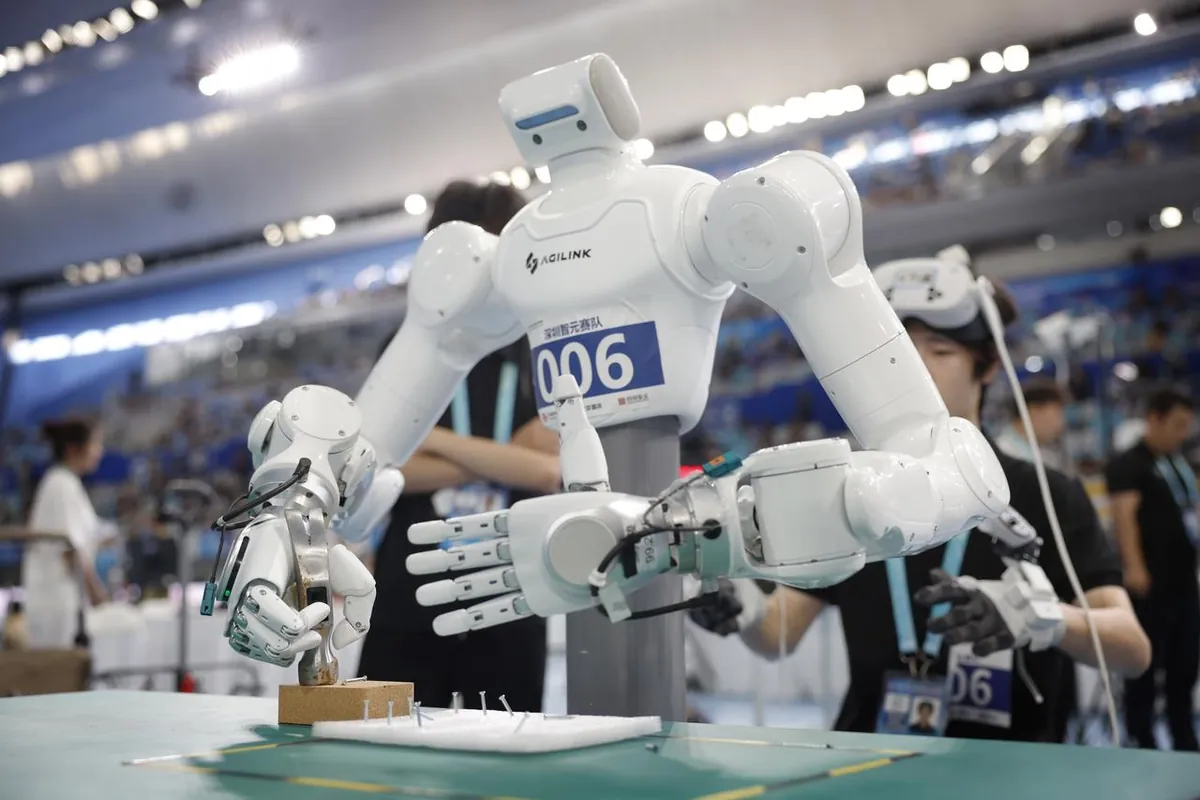
BYD will debut its first humanoid robot in early August, signaling a major escalation of Chinese industrial automation ambitions into advanced robotics.
Humanoid Debut Signals Strategic Pivot to Advanced Robotics
The electric vehicle giant BYD is set to reveal its proprietary humanoid robot during an event scheduled for the beginning of August, according to reports. This unveiling represents a significant strategic move beyond BYD's established dominance in battery technology and electric vehicles, positioning the company at the forefront of advanced robotics development.
The integration of complex AI and sophisticated mechanical design into a humanoid form factor places BYD in direct competition with global tech leaders aggressively pursuing autonomous physical labor. Industry analysts suggest this move reflects a broader Chinese governmental push toward high-end manufacturing autonomy, aiming to address domestic labor shortages across various industrial sectors.
While specific performance metrics regarding the robot's capabilities remain proprietary ahead of the announcement, the development underscores BYD’s substantial investment in robotics research and development. The company has been progressively building out its internal technological ecosystem, moving from optimizing battery management systems to tackling complex bipedal locomotion and human-robot interaction.
This endeavor is not merely a public relations exercise; it represents an attempt to vertically integrate production processes. By controlling the design and operation of advanced robotic hardware alongside their core manufacturing capabilities, BYD seeks to create a highly resilient and technologically self-sufficient industrial platform.
Technological Underpinnings and Market Implications
The development timeline suggests that this robot will likely incorporate cutting-edge advancements in artificial intelligence, enabling it to perform tasks requiring dexterity and environmental awareness. Humanoid robotics demands breakthroughs not just in motor control but also in perception—the ability of the machine to understand unstructured real-world environments.
Sources indicate that BYD is leveraging its deep expertise in power management—a necessity for any mobile, complex robotic system—to give its creation superior operational endurance. The successful deployment of such a unit would validate years of behind-the-scenes engineering effort across the corporation’s various divisions.
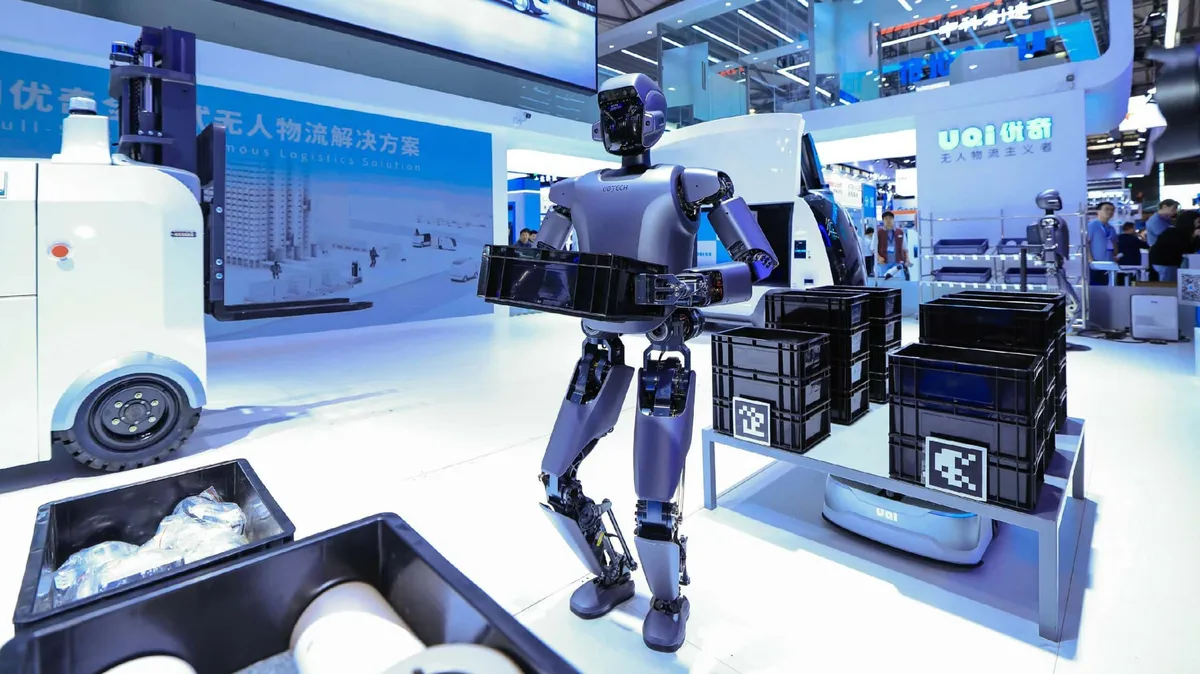
The market implications of this debut extend far beyond consumer electronics. If successfully commercialized, BYD's robot could be deployed in logistics, manufacturing assembly lines, and potentially even service industries. This application spectrum offers massive potential for capturing new industrial revenue streams globally.
Investors have closely monitored BYD’s foray into robotics, viewing it as a critical indicator of the company's long-term growth trajectory beyond the cyclical nature of EV sales. The successful launch in early August will serve as a definitive benchmark against which competitors' own robotic advancements will be measured.
For those tracking this development, further details regarding the robot’s intended use cases and its level of autonomy are anticipated to be released during the official event, offering clearer insight into BYD's immediate commercial strategy.