🎙 Listen to a summary of this story
ByteDance is reportedly developing a sophisticated personal AI agent, codenamed Spell, which has been under internal testing since April.
Development and Functionality of Spell
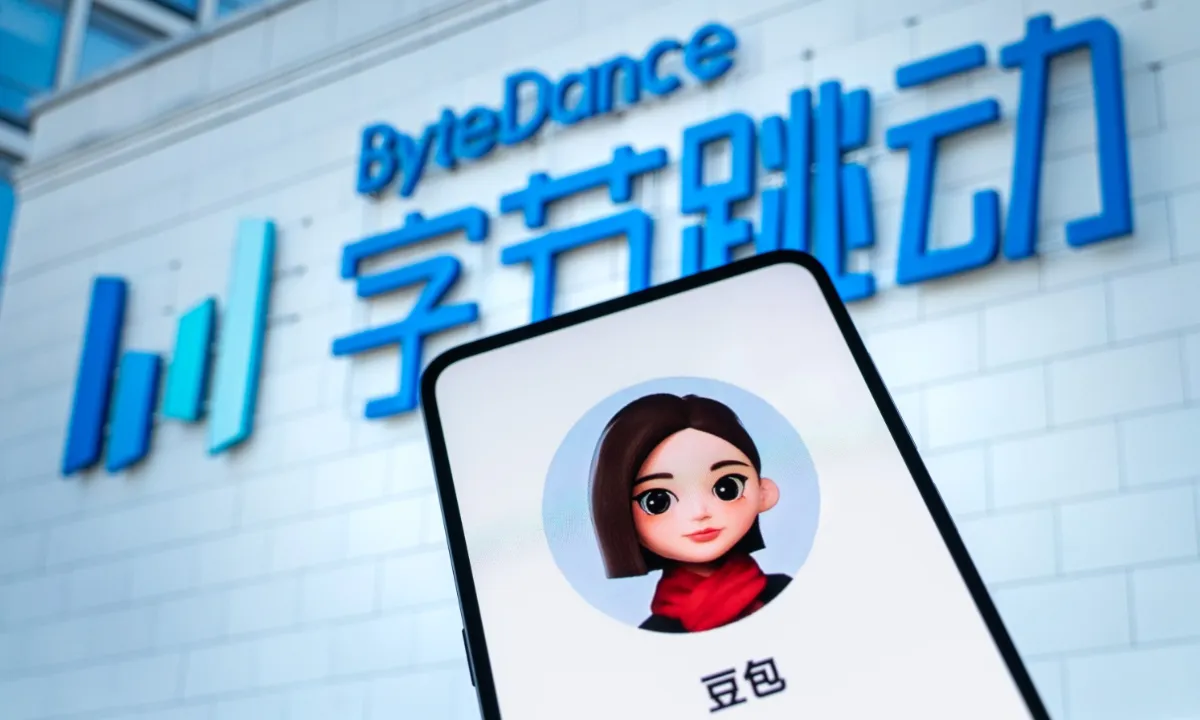
The development signals ByteDance's aggressive push into highly personalized artificial intelligence services beyond its established short-form video ecosystem. According to reporting, Doubao, ByteDance’s large language model platform, is the engine powering this new agent.
Spell is described as an AI assistant designed to integrate deeply with a user's daily workflow and preferences. Unlike generalized chatbots, personal agents are engineered to maintain long-term context and execute complex, multi-step tasks on behalf of the user. This capability positions Spell to compete directly in the rapidly maturing sector of personalized digital companions.
The testing phase, reportedly underway since April, suggests a deliberate incubation period before a wider market rollout. Early internal evaluations focus heavily on agent reliability and contextual memory retention—two critical hurdles in current generative AI applications. Success in these areas would differentiate Spell from less integrated competitors.
ByteDance has previously demonstrated significant investment in its AI infrastructure through Doubao, which serves as the backbone for numerous proprietary services. The creation of a dedicated personal agent like Spell represents an evolution of this foundational technology, moving from serving broad content needs to managing specific individual needs.
Industry analysts suggest that the focus on personalization aligns with emerging consumer demand for AI that acts as proactive assistance rather than merely reactive information retrieval. A successful deployment could significantly increase user stickiness across ByteDance’s various platforms by embedding a highly valuable, personalized utility.
Strategic Implications for Tech Competition
The emergence of Spell places ByteDance in direct competition with major players globally who are also prioritizing the development of personal AI entities. This strategic maneuver indicates an intent to capture the high-value segment of the generative AI market: agents capable of autonomous action.
If Spell proves successful, it could establish a new benchmark for how large technology conglomerates integrate proprietary LLMs into personalized user experiences. The agent's ability to interface across different digital services will be key to its competitive advantage.
Furthermore, the integration within Doubao suggests that ByteDance is building an ecosystem where its foundational models become indispensable components of daily life management for users. This vertical integration strategy reduces reliance on external APIs and maximizes data utilization.
The timing of this development is significant, occurring amidst escalating global competition in AI capabilities. By focusing on a personalized agent rather than solely on model size or raw processing power, ByteDance is pursuing a differentiation strategy centered on utility and user dependency.