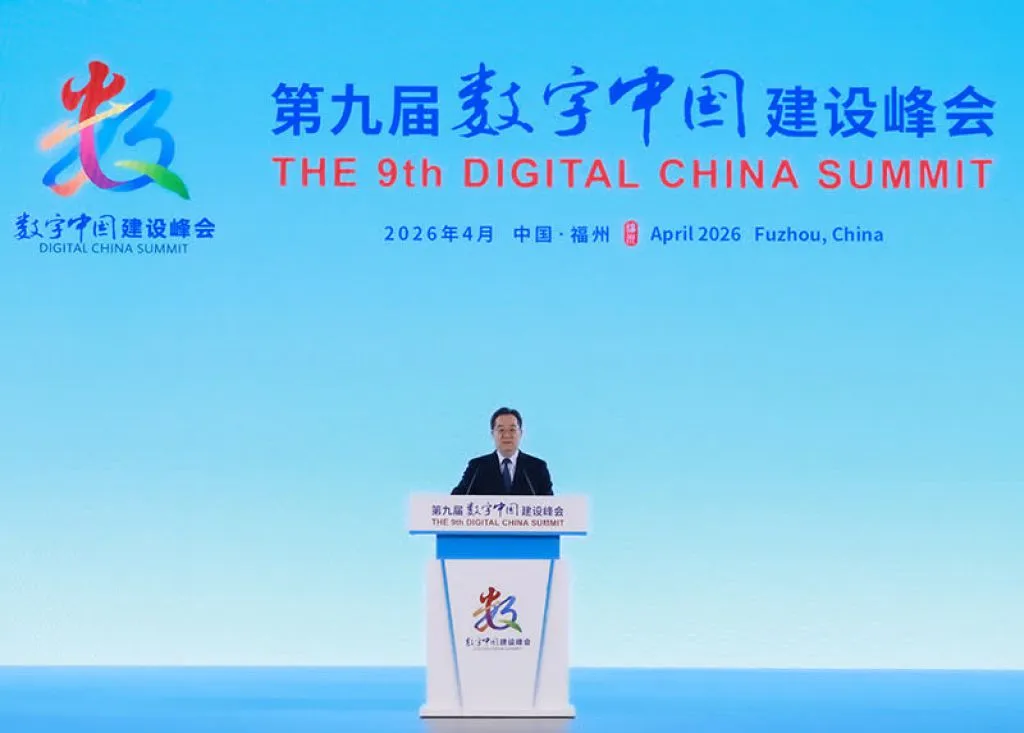
FUZHOU: China’s Vice Premier emphasized the dual necessity of technological independence and international engagement during a recent policy address, signaling Beijing's long-term strategy for artificial intelligence development.
Speaking on the importance of domestic innovation, the Vice Premier underscored that achieving self-reliance in AI core technologies is a critical priority for national security and economic stability. The remarks come as global competition over semiconductor access and advanced computing power intensifies. By prioritizing homegrown research and development, China aims to mitigate risks associated with external supply chain disruptions and technological export controls.
According to official government reports, the administration is not pursuing isolationism. Instead, the Vice Premier advocated for a balanced approach that marries domestic autonomy with "open cooperation." This strategy seeks to establish China as a central hub in the global AI ecosystem by inviting international collaboration on standard-setting and ethical frameworks.
The government's stance suggests an effort to build a robust internal infrastructure while simultaneously maintaining influence over how AI is regulated globally. Officials noted that while self-sufficiency is the goal for foundational hardware and software, cross-border exchange remains essential for addressing universal challenges such as AI safety, governance, and the equitable distribution of technological benefits.
Industry analysts suggest this messaging serves to reassure both domestic tech firms and foreign investors. By highlighting "open cooperation," Beijing aims to signal that it remains a viable partner for global technical integration, even as it accelerates its efforts to decouple from critical foreign dependencies. The policy framework is expected to drive increased state investment into local chip manufacturing and large-scale model training capabilities throughout the coming fiscal years.