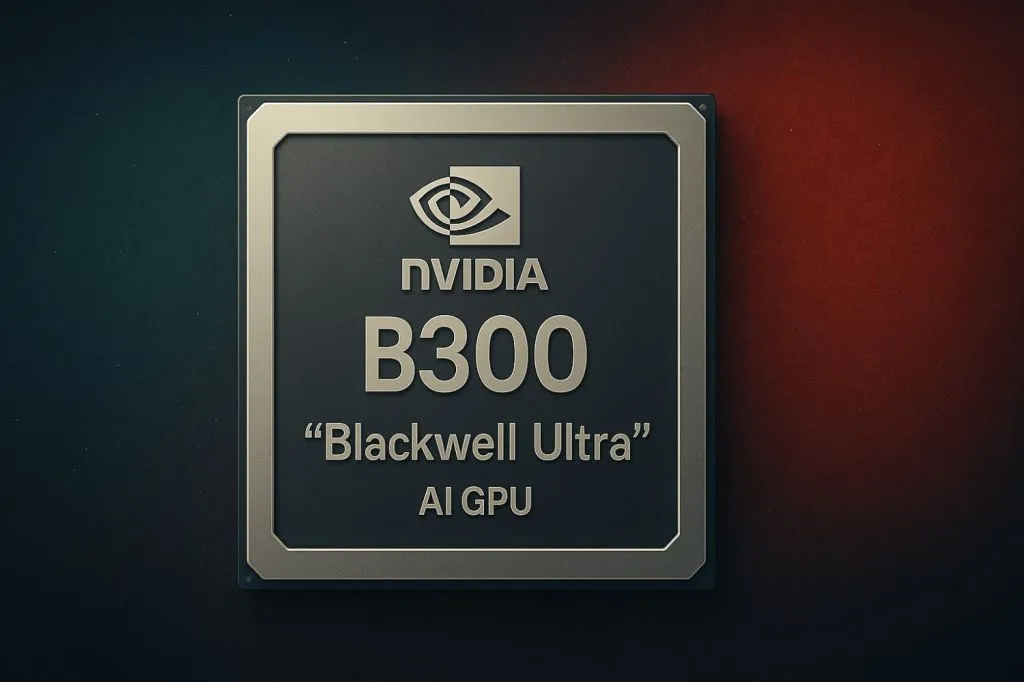
BEIJING: The cost of high-end artificial intelligence hardware in China has surged to unprecedented levels, with Nvidia-based B300 servers reportedly commanding prices as high as $1 million per unit. This price spike comes amid tightening United States export controls designed to limit China's access to advanced semiconductor technology.
According to industry sources cited by Reuters, the astronomical valuations reflect a combination of extreme scarcity and intense domestic demand. As U.S. regulations restrict the sale of top-tier AI chips directly to Chinese firms, a secondary market has emerged where specialized server configurations are being traded at massive premiums. The B300 series, a critical component for training large language models, has become a primary target for Chinese tech giants attempting to maintain their computational edge.
The scarcity is driven by the complex interplay between geopolitical restrictions and the rapid scaling of AI infrastructure in Asia. Analysts report that while demand for high-end hardware remains robust, the legal hurdles surrounding chip procurement have fundamentally altered the supply chain. Buyers are increasingly forced to navigate gray markets or utilize workaround configurations that satisfy regulatory requirements while attempting to maximize performance.
This pricing trend underscores the significant financial burden facing Chinese technology companies. As the cost of essential compute power climbs toward the million-dollar mark per server, the capital expenditure required to compete in the global AI race is intensifying. Analysts suggest that these elevated costs may create a wider technological gap between firms that can afford premium hardware and those restricted to older or less efficient architectures.
As export curbs continue to evolve, the volatility in the high-end server market is expected to persist, forcing Chinese enterprises to reconsider their long-term hardware procurement strategies and domestic chip development investments.