China is positioned to dominate the flying taxi market this year establishing a significant lead as American counterparts scramble to match the rapid technological advancements.
China's Accelerated Aviation Ambitions
Chinese manufacturers are aggressively pushing the commercial viability of electric vertical take-off and landing (eVTOL) aircraft, setting aggressive deployment timelines that surpass current Western projections.
The nation’s focus is not merely on prototype development but on integrated ecosystem maturity, encompassing regulatory approval, manufacturing scale, and operational infrastructure necessary for widespread urban air mobility.
Specific initiatives within China indicate substantial governmental support channeled toward de-risking the complex logistical hurdles associated with autonomous air travel. This state-backed impetus allows Chinese firms to iterate at a pace difficult for purely private entities in other markets.
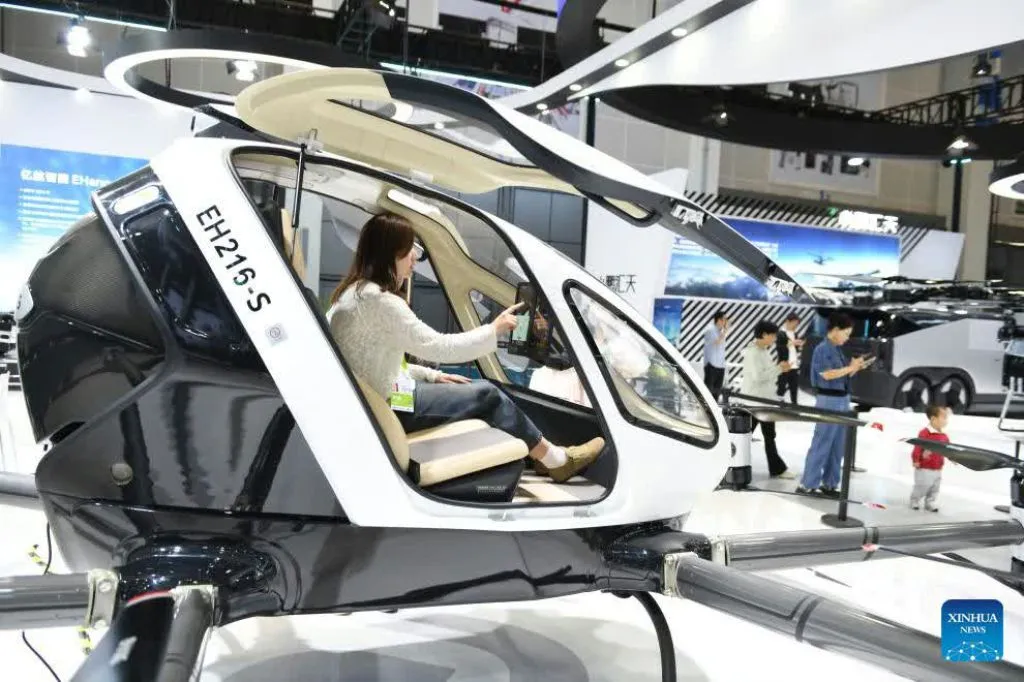
While American development has seen notable progress, often centered around high-profile venture capital investments and advanced R&D labs, China’s approach appears more holistic, tackling the entire value chain from battery chemistry to air traffic management systems simultaneously. Such an approach has seen EHang's EH216-S become the world's first electric passenger-carrying drone.
These domestic advancements position Chinese companies favorably to secure early operational licenses in major metropolitan areas, effectively establishing beachheads in lucrative urban transport corridors ahead of global competitors.
The Competitive Landscape: US Catch-Up Efforts
The United States remains a powerful contender in the eVTOL sector, boasting significant technological prowess but facing headwinds in regulatory standardization and deployment velocity relative to China’s current trajectory.
American aerospace giants and nimble startups are heavily invested in perfecting autonomous flight control systems and ensuring passenger safety within dense urban environments. The emphasis remains on achieving rigorous certification standards mandated by bodies such as the FAA.
However, the sheer volume of testing required for these certifications creates a natural timeline constraint that Chinese developers appear to be circumventing through parallel development tracks and iterative operational testing in controlled environments.
The challenge facing U.S. firms is bridging the gap between laboratory success and scalable, commercially viable service deployment at the speed China is currently achieving. Market penetration hinges not only on aircraft performance but also on the swift establishment of vertiport networks.
For investors and industry observers, the 2026 benchmark reveals a critical inflection point: while American innovation continues to set high technological bars, Chinese execution in scaling production and integrating operations suggests an immediate competitive advantage in market capture. Further analysis of specific regulatory milestones will determine if this lead proves sustainable or merely temporary.