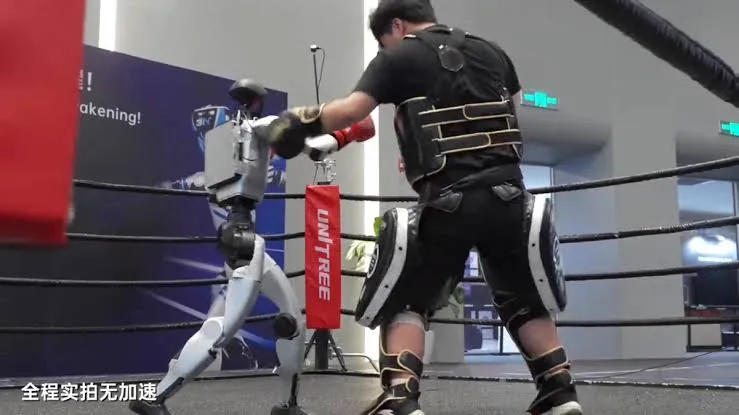
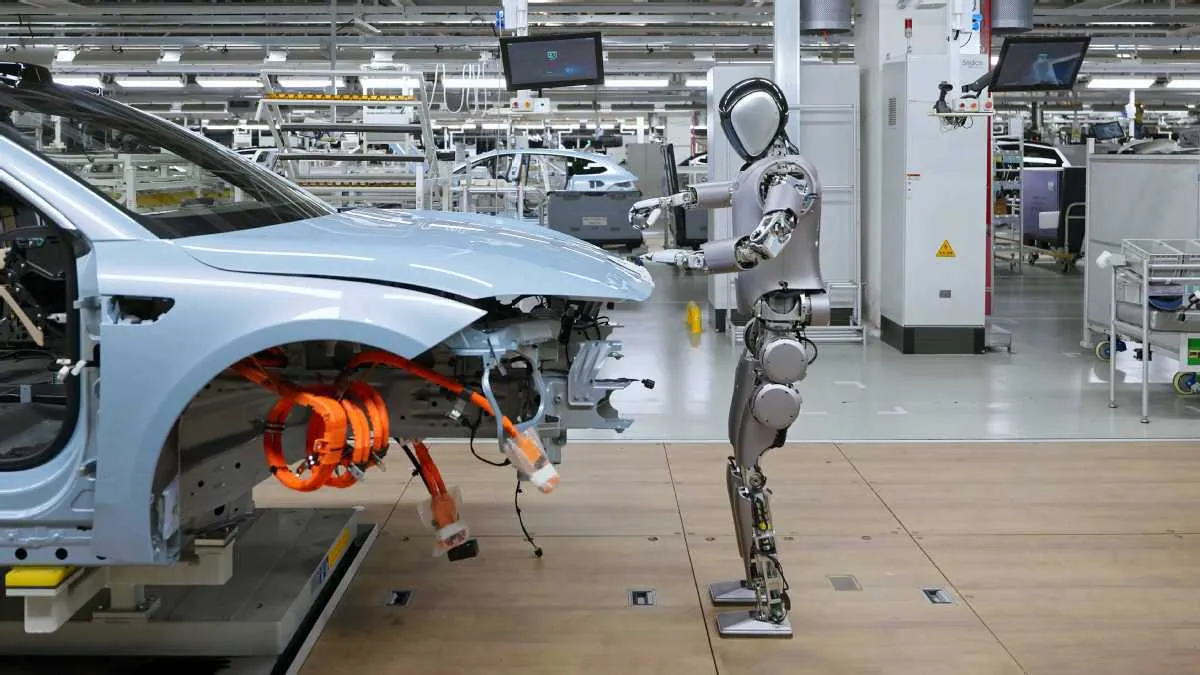
China's leading automakers are strategically scaling back aggressive timelines for fully functional humanoid robots, signaling a pivot from high-profile ambition to pragmatic engineering reality. This deceleration marks a significant recalibration in the nation's hyper-competitive AI and robotics sector, tempering the previously fervent narrative of immediate mass-market robotic deployment.
The shift reflects a growing internal recognition that the gulf between sophisticated proof-of-concept prototypes and reliable, general-purpose industrial utility remains vast. While Chinese firms have invested billions in humanoid platforms, the immense computational demands and mechanical complexity required for robots to navigate unstructured, real-world environments are proving more formidable than anticipated.
This strategic pause is not an abandonment of robotics but rather a realignment of capital expenditure. Executives are reportedly prioritizing the consolidation of core competencies within electric vehicle (EV) manufacturing and advanced battery technology, viewing these areas as providing a more immediate and defensible return on investment in the current economic climate.
Technical Hurdles and Commercial Friction
The core challenge centers on the integration of robust hardware with truly adaptive software. Current humanoid designs, while aesthetically advanced, often struggle with dynamic balance, fine motor control under variable loads, and the sophisticated perception required to interact seamlessly with human environments. The energy density required to power these complex actuators for extended operational periods remains a critical bottleneck.
From a commercial standpoint, the market readiness for humanoid labor is lagging behind the technological capability. Automakers are confronting the high cost-per-unit, which currently places these robots far outside the reach of most industrial or consumer applications. Deploying these units requires not just advanced mechanics, but a complete overhaul of existing operational workflows, a hurdle few early adopters are yet willing to clear.
The industry consensus is moving toward phased deployment strategies. Instead of aiming for immediate, general-purpose domestic replacement, companies are focusing R&D efforts on highly specialized, confined tasks where the ROI of a complex humanoid platform can be mathematically justified, such as precise assembly or logistics within controlled factory settings.
Industry Trajectories and Geopolitical Ramifications
This scaling back provides a crucial, sobering data point for global observers tracking China's technological trajectory. It suggests that the nation’s AI push is evolving from a "move fast and break things" approach to one of more rigorous, scientifically grounded iteration. Success in foundational AI is proving to be a deeper, slower endeavor than initial market projections suggested.
The implications extend beyond domestic manufacturing. As Chinese giants moderate their pace, it forces international competitors to reassess their own aggressive timelines. The robotics race is transitioning from a pure marketing competition to a battle of sustained, deep-pocketed engineering resilience, favoring firms that can manage long-term, high-risk R&D cycles.
Ultimately, the revised strategy indicates a maturation of the sector. The focus is shifting from demonstrating capability to achieving economic viability. For the broader technology landscape, this pause confirms that while China retains undisputed leadership in EV volume, the path to universally intelligent robotics requires a more deliberate, less hyperbolic approach than previously marketed to global investors.