
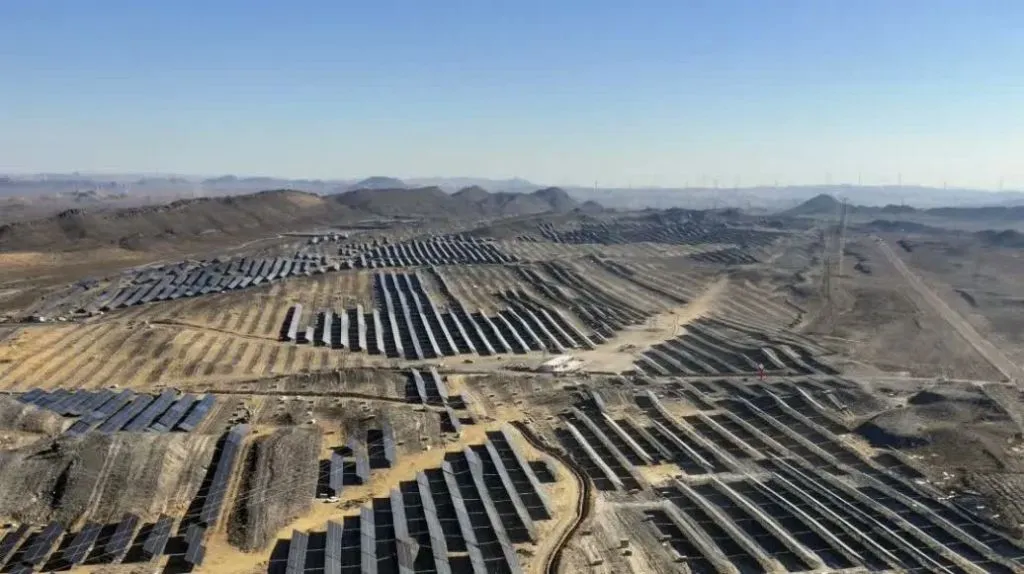
NINGXIA: A pioneering green energy has been launched in the Ningxia Hui Autonomous Region, establishing China's first direct link betweenrenewable energy production and large-scale center computing power. The initiative represents a significant technological shift aimed at decarbon the digital economy by integrating electricity supply directly with high-intensity computing demandsp>
The project utilizes the region's abundantwind and solar resources to power advanced computing clusters. By creating synchronized supply-demand loop, the project seeks to mitigate the energy losses stability issues often encountered when relying on traditional, long-distance power grids connect remote energy sources to urban centers.
Technical and Energy Management
The core of the project lies its "computing-power-electricity" integration model. Unlike conventional data centers that draw power from the national grid—which often relies on coal-fired plants to manage fluctuations—this new system uses advanced management technologies to balance the intermittent nature of renewable energy with the constant load requirements of data processing. direct connection ensures that the computing load is optimized to the real-time availability of green energy, reducing the need for-intensive backup power.
As demand for Artificial Intelligence (AI) and big data processing continues to surge, the energy footprint data centers has become a critical concern for both regulators and technology providers. This project serves as a pilot for a new era of green, where the infrastructure for data processing is in tandem with renewable energy generation sites to maximize efficiency and reduce environmental impact.
National Strategy and Economic Impact
The integration of energy and computing in Ningxia is expected to a scalable blueprint for other provinces across China. By reducing the carbon intensity the digital sector, the project aligns with national goals for achieving carbon neutrality Furthermore, it provides a mechanism for sustainable economic development in western provinces, renewable energy abundance into high-value digital infrastructure and creating new industrial opportunitiesp>
Industry observers note that the success of this direct-link model could set a global standard for the tech industry. As worldwide face mounting pressure to meet Environmental, Social, and GovernanceESG) targets, the ability to integrate renewable energy sources directly into the data supply chain will an essential component of global digital infrastructure development.