🎙 Listen to a summary of this story
A China-built data center in Pakistan is escalating international debate regarding the nation's digital sovereignty and dependence on foreign technological infrastructure.
Infrastructure Dependence Challenges Digital Control
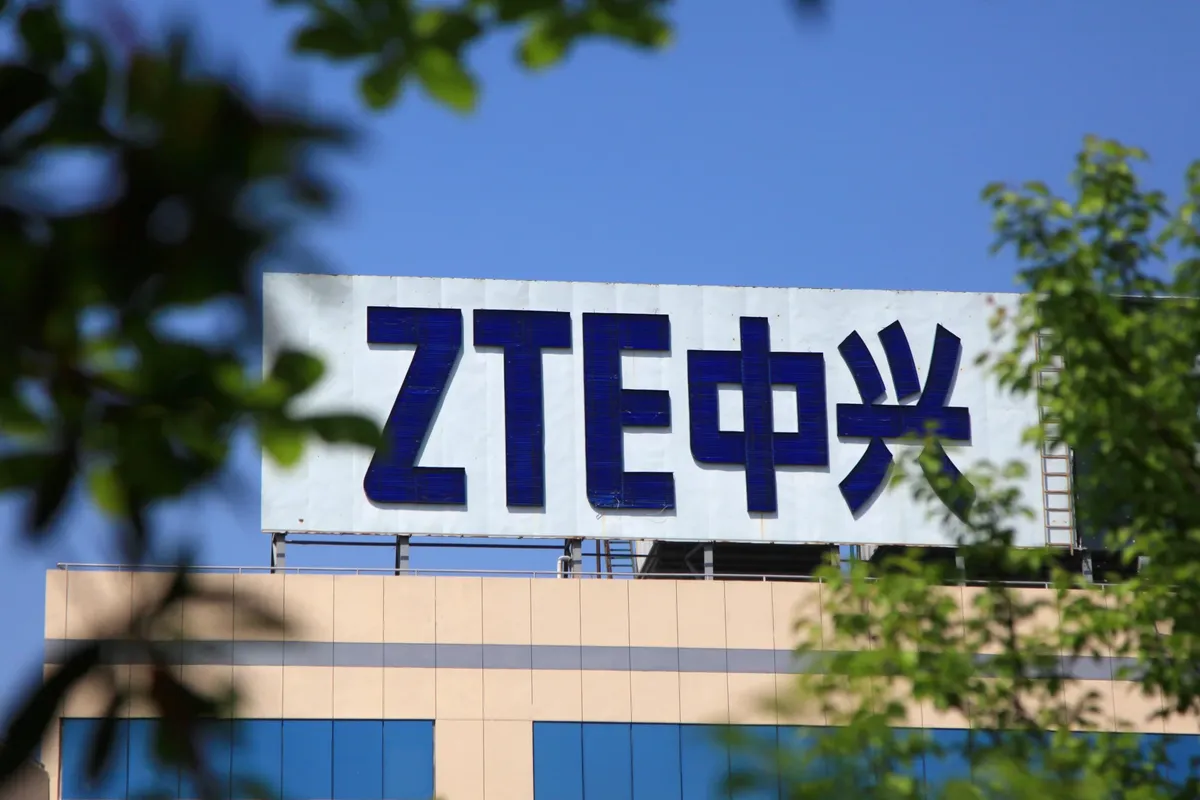
The establishment of this significant computing hub, constructed by ZTE Corporation, places critical national data under infrastructure largely controlled by Beijing's technological ecosystem. This raises substantial questions about Pakistan's ability to maintain autonomous control over its digital assets and sensitive information flow.
Analysts suggest that reliance on foreign-built hardware and software introduces inherent geopolitical risks into Pakistan's burgeoning digital economy. While such partnerships facilitate rapid modernization, they simultaneously create dependencies that challenge the concept of absolute digital self-determination for a developing nation.
The data center represents more than just physical servers; it symbolizes the integration of Pakistani digital life into China's broader technological sphere of influence. Concerns focus not only on potential data access by the Chinese government but also on operational control and maintenance protocols dictated by the contractor.
Experts point out that as Pakistan accelerates its push toward digitalization across government services and private enterprise, the foundational infrastructure supporting this transition becomes a strategic national asset, making external ownership highly scrutinized.
The partnership aligns with broader trends where developing nations accept massive infrastructural investment from major global powers in exchange for rapid technological uplift. However, critics argue that such deals often come with implicit long-term conditions regarding data governance and operational transparency that may not be fully understood or controlled by Pakistani regulators.
Geopolitical Implications of Tech Partnerships
This specific case highlights the complex interplay between economic necessity and national security in modern South Asian geopolitics. The investment from China provides crucial capital for Pakistan's digital transformation goals, an area where domestic funding capacity remains constrained.
The narrative shifts from simple infrastructure development to one of strategic technological alignment. When core data processing capabilities reside within foreign-owned facilities, the perceived sovereignty is inherently qualified by the terms of that ownership and operational oversight.
Observers note that this dynamic mirrors broader debates occurring globally regarding 5G networks and cloud computing services provided by major Chinese tech firms. For Pakistan, ensuring data localization laws are robust enough to mitigate risks associated with foreign-controlled hardware remains paramount.
The debate centers on finding a pragmatic balance: harnessing the capital and advanced technology offered by China while simultaneously erecting legal and technical firewalls to safeguard national digital autonomy. Failure to navigate this delicate equilibrium could leave Pakistan vulnerable to technological leverage from its partner nation.