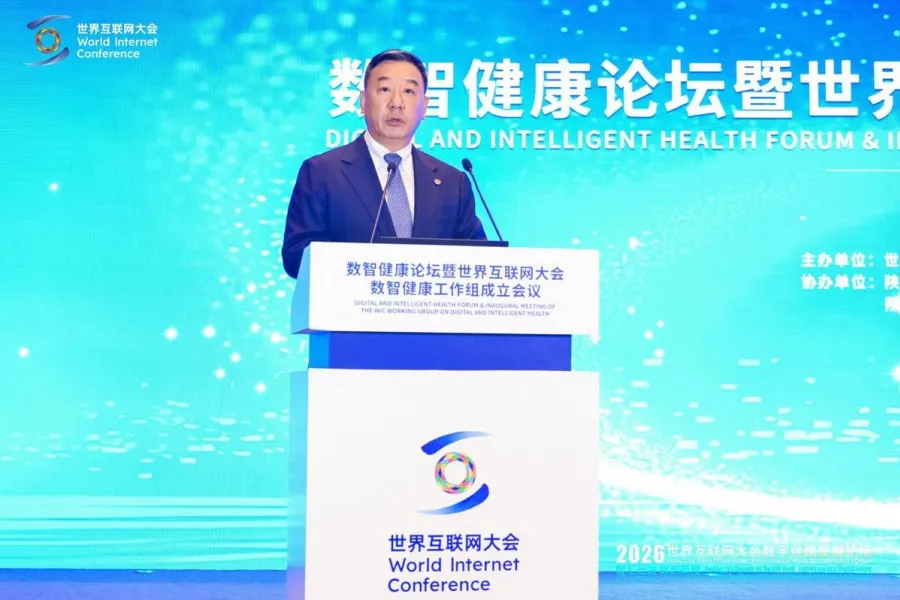
China emphasized a people-centered approach to digital and intelligent health during the Digital Silk Road Development Forum, stressing human needs over pure technological deployment.
Zhang Donggang asserted that while technology drives progress along the Digital Silk Road, its ultimate success hinges on addressing the specific requirements of populations it serves. This perspective shifts the focus from infrastructure build-out to tangible societal benefits derived from digital health initiatives across participating nations.
The forum convened international stakeholders to discuss how China's global technological influence is being translated into practical, equitable healthcare solutions worldwide. Discussions centered on ensuring that advanced technologies—such as AI diagnostics and remote monitoring systems—are accessible and culturally relevant rather than becoming tools exclusively for elite adoption.
Main Pillars of Digital Health Deployment
Zhang Donggang detailed several strategic pillars guiding this people-centric philosophy. First, he highlighted the necessity of robust data governance frameworks that respect national sovereignty while facilitating cross-border data flow essential for global health research. Uncontrolled or unregulated data sharing presents a significant risk to patient privacy and trust among developing partners.
Second, the emphasis was placed squarely on capacity building within partner countries. Deploying high-tech equipment without corresponding local expertise ensures dependency rather than self-sufficiency. The forum stressed that training local medical professionals in utilizing intelligent health platforms is as critical as the hardware installation itself.
Furthermore, the integration of these digital tools must align with existing national healthcare infrastructures. A disruptive technology that requires a complete overhaul of an established, functioning public system faces prohibitive adoption hurdles. Therefore, incremental integration strategies are deemed necessary for sustainable impact along the Digital Silk Road corridor.
The forum also touched upon the ethical dimensions inherent in deploying AI in clinical settings across diverse socio-economic landscapes. Bias embedded within training datasets, often sourced from specific demographics, risks perpetuating or even amplifying existing health disparities if not rigorously tested against local populations.
Global Implications and Future Trajectories
The call for a people-centered approach reflects a maturation in China's international technology diplomacy. It signals a move beyond simply exporting hardware to actively co-developing solutions with recipient nations. This cooperative model is designed to foster genuine technological partnership rather than one-way aid delivery.
Participants reviewed case studies demonstrating successful implementations where digital health addressed specific localized crises, such as managing chronic diseases in rural areas or improving maternal care through mobile connectivity. These examples underscored the transformative potential when technology meets acute, human need.
Looking forward, delegates agreed that future collaborative efforts must prioritize interoperability—the ability of disparate systems to communicate seamlessly. This is vital for creating truly integrated digital health ecosystems capable of handling complex patient journeys from remote monitoring through specialized treatment.