
China's central state-owned enterprises (SOEs) have been explicitly directed by government leadership to accelerate and deepen their digital transformation efforts across all operational levels.
Government Mandate Drives SOE Digital Overhaul
The directive signals a strategic pivot toward leveraging advanced technology as a core engine for national economic modernization, moving beyond mere digitization toward systemic integration. Officials emphasized that these state-controlled entities must not only adopt new technologies but fundamentally restructure their operational models to capitalize on the digital economy.
This push comes amid intensifying global competition and China's ongoing strategic focus on achieving technological self-sufficiency in critical sectors. The government views the digitalization of massive SOE operations—spanning energy, finance, telecommunications, and manufacturing—as crucial for enhancing national resilience and efficiency.
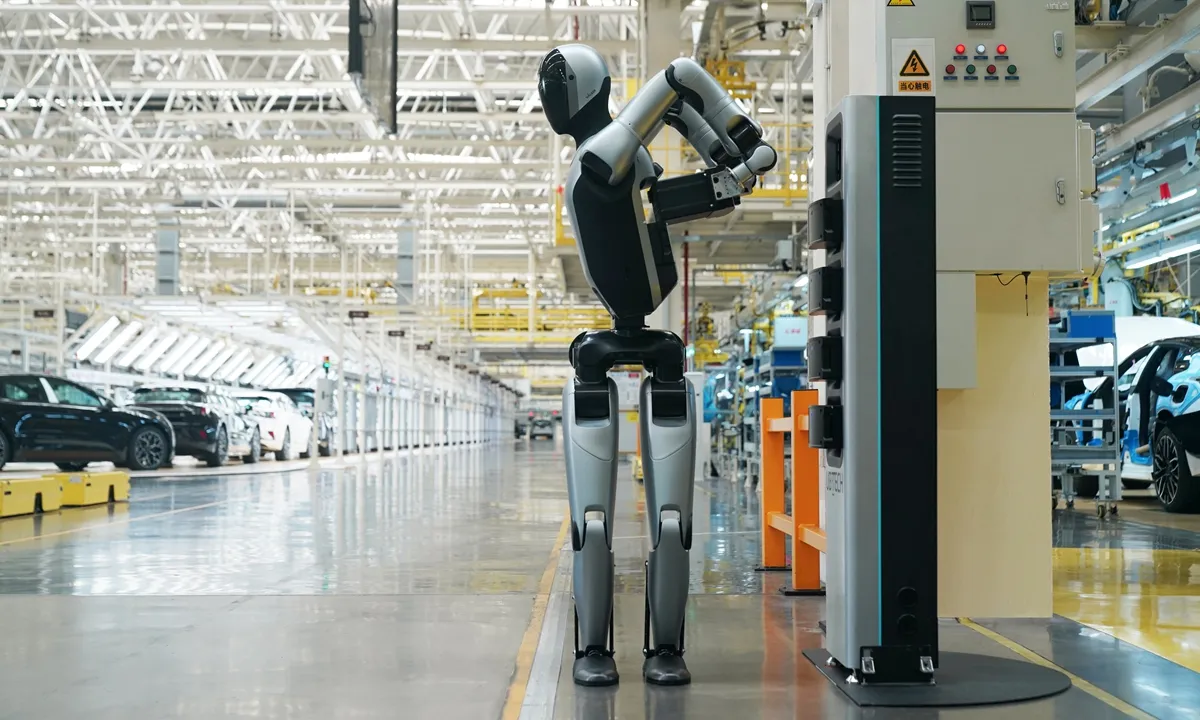
According to reports detailing the latest policy directives, the emphasis is placed heavily on implementing intelligent systems throughout the value chain. This includes deploying big data analytics for optimized resource allocation, utilizing AI for predictive maintenance in industrial settings, and establishing secure cloud infrastructure across geographically dispersed operations.
The mandate requires SOEs to move past pilot projects; leadership must ensure these digital initiatives become embedded, measurable components of their long-term corporate strategies. Failure to execute this transformation is framed as a risk to the enterprise's strategic alignment with national development goals.
Focus on Integration and Talent Development
Beyond mere technology adoption, the policy stresses an integrated approach where data flows seamlessly between different departments and business units within the SOEs. This interoperability is considered vital for creating holistic operational insights that drive competitive advantage in international markets.
Furthermore, significant attention has been drawn to human capital development as a prerequisite for digital success. The government requires these large enterprises to substantially upskill their existing workforce and aggressively recruit specialized tech talent capable of managing complex, AI-driven systems. This addresses the recognized gap between legacy operational structures and modern technological demands.
Analysts suggest that this concerted push represents a maturing phase in China's industrial policy; it is no longer about simply building infrastructure but about optimizing utilization through sophisticated digital governance. The scope of the required change is immense, touching everything from procurement processes to end-user service delivery within state-controlled sectors.
The government expects tangible, measurable improvements in productivity and risk management stemming directly from these intensified digital efforts over the coming fiscal cycles. Compliance with this directive is being monitored closely by relevant supervisory bodies to ensure that investment translates into genuine operational metamorphosis rather than merely cosmetic technological upgrades.