
China tightens indium export checks
China is subjecting indium exports to tighter scrutiny, raising concern among chip and data-center suppliers that the niche metal could become another pressure point in the global race to build artificial intelligence infrastructure.
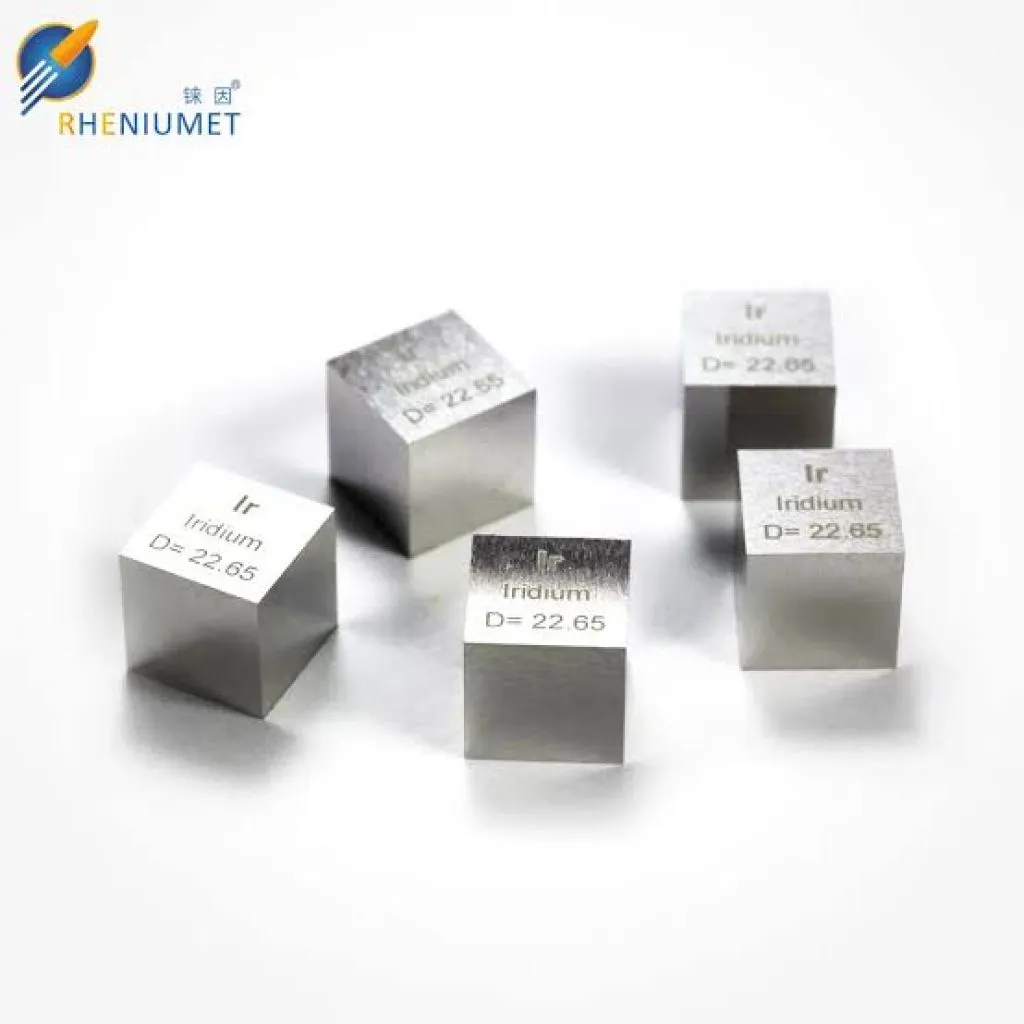
The move, reported by BusinessWorld and other market outlets, comes as buyers say Chinese authorities are seeking more information about end users and export purposes for indium, a soft, silvery metal used in high-speed optical chips and other electronic components. China accounts for about 70% of global indium production, according to the U.S. Geological Survey.
Indium is not as widely known as lithium or rare earths, but it sits inside several technologies central to advanced computing. The USGS says indium phosphide is used in lasers, receivers, photodetectors and laser diodes for optical communications, while indium-containing coatings and solder alloys are used in data centers.
China formally placed indium-related items under export controls in February 2025, alongside tungsten, tellurium, bismuth and molybdenum. The Commerce Ministry said exporters must apply for licenses and identify controlled items in customs declarations. Beijing has described such controls as necessary to protect national security and meet nonproliferation obligations.
AI demand raises stakes
The increased checks arrive as AI developers and cloud providers spend heavily on data centers that require faster, lower-loss communications between chips, servers and networks. That has lifted attention on indium phosphide components, which can help move data through fiber-optic systems at high speed.
The supply picture is tight. The United States did not recover indium from ores in 2025 and remained 100% reliant on imports for estimated consumption, the USGS said. U.S. import sources from 2021 through 2024 included South Korea, Japan, China and Canada.
Chinese export controls have become a recurring feature of the technology rivalry with the United States and its allies. Beijing previously imposed controls on gallium and germanium, key materials used in semiconductors and defense applications, and later expanded restrictions across other critical minerals.
For manufacturers, the immediate risk is not necessarily a full cutoff, but uncertainty. Extra licensing reviews can delay shipments, complicate contracts and force buyers to hold more inventory. In markets for minor metals, even modest delays can move prices because production is concentrated and supplies are often byproducts of larger mining and refining streams.
Indium is usually recovered from zinc ores, meaning supply cannot be quickly increased without broader changes in zinc production and refining. Substitutes exist for some uses, including alternative coatings for displays and solar cells, but changing materials in high-performance optical and semiconductor systems can require lengthy qualification.
The scrutiny gives Beijing another lever in a supply chain where the West is trying to reduce dependence but still relies on Chinese processing. For AI companies, it is a reminder that the race for computing power depends not only on chips, electricity and land, but also on small volumes of critical materials whose trade is increasingly shaped by geopolitics.