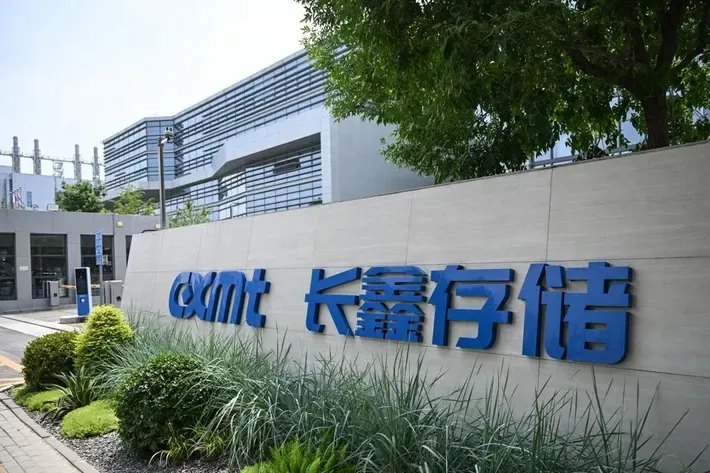
Chinese memory manufacturer ChangXin Memory Technologies (CXMT) is closing the gap with global giants in high-end smartphone memory, signaling a major shift in the semiconductor supply chain.
Advancements in Memory Chip Production
The increasing domestic capacity and technological refinement within China's memory sector represent a strategic pivot away from heavy reliance on foreign suppliers for critical mobile computing components.
Recent industry developments indicate that Chinese firms such as CXMT are achieving parity, and in some metrics surpassing, international benchmarks concerning the performance and density of high-end phone memory modules.
This technological maturation is not merely an incremental improvement; it reflects substantial investment in advanced fabrication processes necessary for producing cutting-edge semiconductor components used in flagship smartphones.
The ability to manufacture high-specification memory chips domestically provides Chinese technology companies with enhanced supply chain resilience, insulating them against geopolitical volatility that previously threatened their production schedules and costs.
Industry analysts suggest this capability directly supports the aggressive growth trajectory of China's domestic smartphone market, allowing local brands to offer increasingly sophisticated devices without incurring prohibitive import tariffs or facing lead-time constraints associated with overseas sourcing.
The focus is particularly sharp on advanced DRAM and NAND flash memory, the core components dictating a modern smartphone’s speed, multitasking capability, and storage capacity.
Strategic Implications for Global Tech
This narrowing technological divergence carries significant implications for the global technology landscape, challenging the long-established dominance of established semiconductor powers in East Asia and North America.
A robust domestic memory ecosystem allows China to move beyond being solely a massive consumer market; it positions itself as an increasingly capable producer within the global high-tech manufacturing hierarchy.
For international electronics firms, this shift necessitates reevaluation of their sourcing strategies. Dependence on single-source suppliers for crucial components becomes a greater business risk when those sources are geographically concentrated or politically sensitive.
The progress in memory technology is intrinsically linked to broader national strategic goals within China aimed at achieving technological self-sufficiency across critical industrial sectors.
By mastering the production of high-end phone memory, Chinese manufacturers reinforce their position as a comprehensive player in the digital economy, capable of supporting entire value chains from raw material processing through final device assembly.
The ongoing race to improve chip architecture and yield rates suggests that this competitive dynamic will continue to intensify, driving innovation across the entire semiconductor industry.