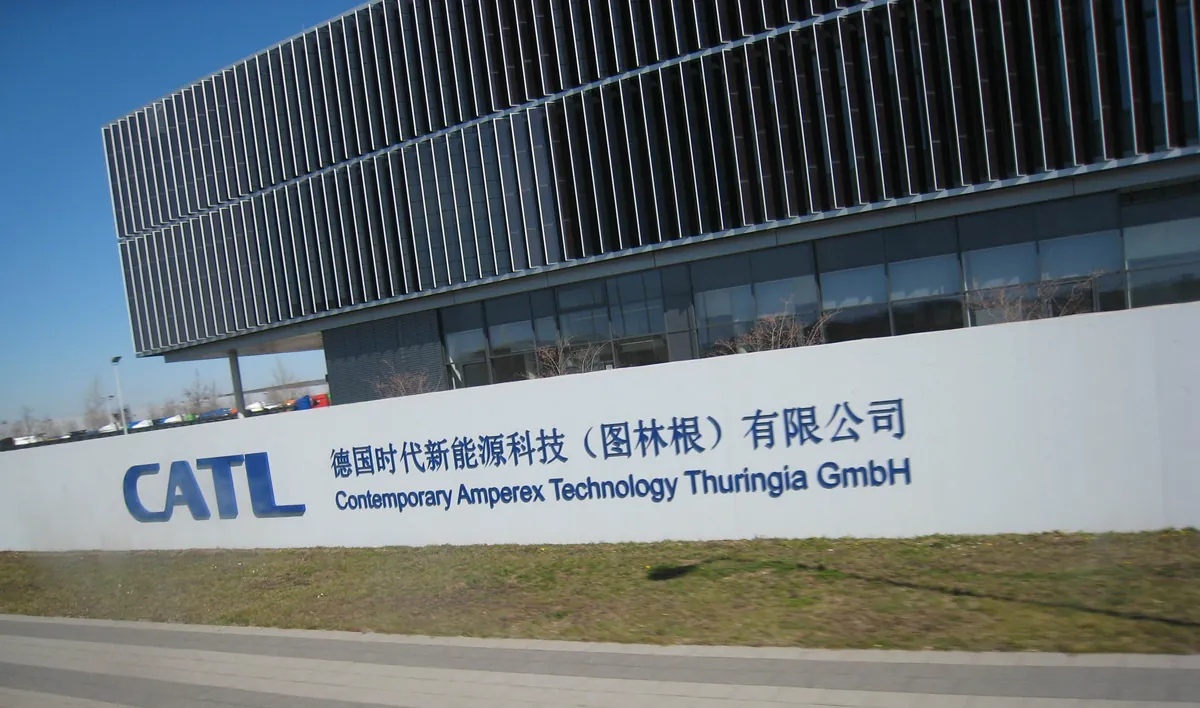
China's battery giant, CATL, is strategically pivoting toward battery swapping and energy storage to power its next phase of growth, diversifying revenue streams beyond traditional electric vehicle sales.
This move signals a calculated expansion into critical infrastructure, positioning CATL not merely as a component supplier but as a comprehensive energy solutions provider capable of addressing grid instability and last-mile logistics demands globally. The focus shifts from kilowatt-hours in a vehicle to system-level energy management.
The emphasis on swapping technology, in particular, bypasses the inherent range anxiety associated with conventional EVs by enabling near-instantaneous energy exchange, a model particularly attractive for commercial fleets and two-wheeled transport networks.
The Mechanics of Diversification
The commercial dynamics of battery swapping require dense, localized infrastructure development—a network of standardized exchange stations—which represents a significant capital expenditure but creates high customer lock-in. Unlike simply selling a battery pack, CATL must manage the entire ecosystem, including charging logistics, battery health monitoring, and swap station uptime.
Simultaneously, the deployment of stationary energy storage systems (ESS) addresses macro-level energy challenges, such as integrating intermittent renewable sources like solar and wind into aging grids. These large-scale installations require sophisticated battery management systems (BMS) to optimize discharge cycles and maintain grid stability, demanding high-precision hardware and advanced software integration.
This duality—micro-level logistical efficiency via swapping versus macro-level grid stabilization via ESS—allows CATL to engage diverse market segments, from municipal transport authorities to national power utilities.
Market Implications and Global Positioning
This strategic diversification significantly bolsters CATL's competitive moat. By owning the energy solution rather than just the battery cell, the company creates barriers to entry for rivals who might only compete on price per kilowatt-hour. The integration of services with hardware transforms the company from a manufacturer into a platform operator.
The success of these non-automotive ventures places CATL at the nexus of global energy transition policy. As nations worldwide struggle to decarbonize their power grids, CATL’s solutions offer tangible, scalable pathways to energy independence, cementing its role in geopolitical energy discussions.
Ultimately, the viability of this growth phase hinges on regulatory acceptance and rapid infrastructure deployment. Should policy frameworks support the standardization of swapping protocols and the integration of distributed ESS, CATL is positioned to capture substantial market share across the global energy architecture.