Three Chinese automakers—BYD, Geely, and Chery—have dramatically entered the global top 10 rankings, signaling a profound shift in automotive manufacturing power worldwide.
The market penetration of these brands represents more than localized success; it marks a major inflection point for established Western Original Equipment Manufacturers (OEMs) and signals China’s ascendance as a dominant force in electric vehicle (EV) technology. According to reports detailing the latest global sales metrics, the collective performance challenges traditional automotive hierarchies that have long dictated the industry landscape.
The Ascent of Chinese Automakers
BYD, in particular, has been cited as the primary driver of this market disruption. The company’s rapid scaling and comprehensive vertical integration—controlling everything from battery production to vehicle manufacturing—have allowed it to secure crucial supply chain advantages that competitors are struggling to match.
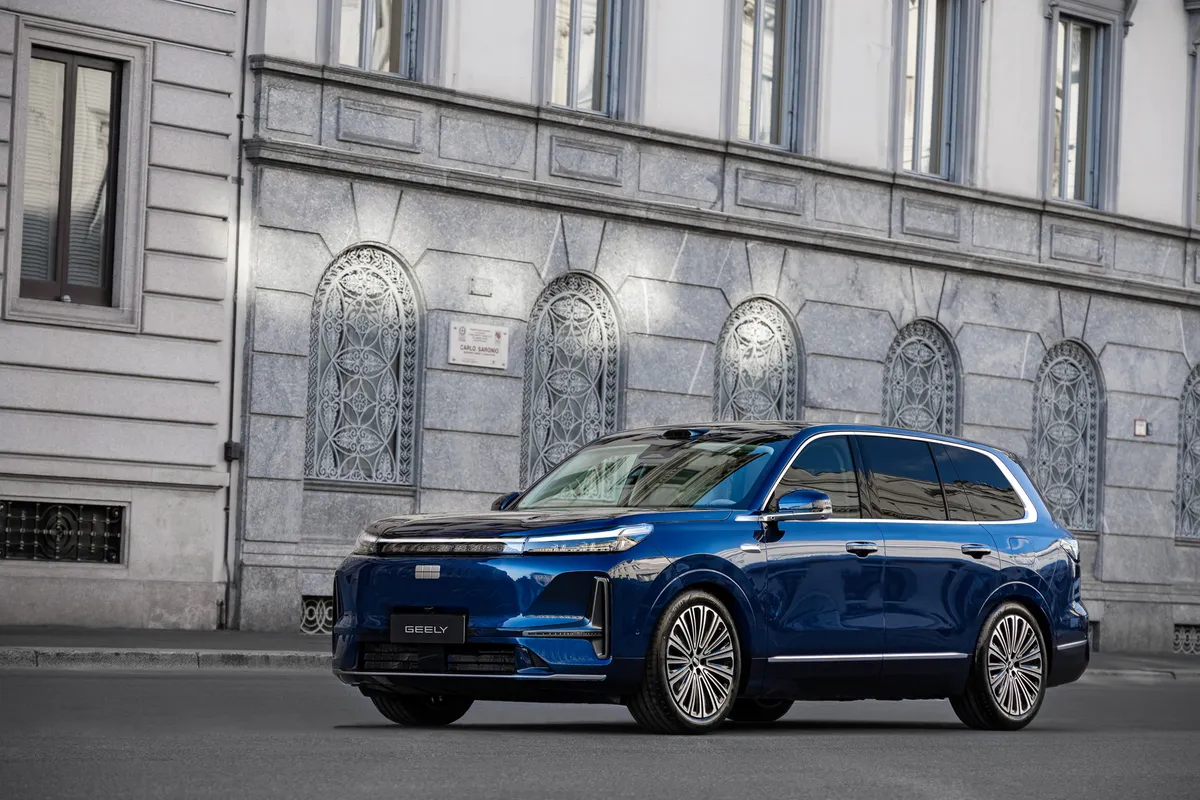
While BYD's overall volume metrics dominate headlines, the inclusion of Geely and Chery highlights a broader pattern: multiple Chinese entities are independently achieving global scale through diverse strategies. Geely, known for its expanding portfolio of high-tech vehicles, is leveraging international partnerships while maintaining rigorous quality controls across its various brands.
Chery has capitalized on varied market demands by offering a wide array of models and price points, making it highly adaptable to different consumer segments globally. This diversified approach contrasts sharply with the historically segmented product lines used by many legacy automakers today.
Global Trends Driving Market Disruption
The success of these three brands is inextricably linked to two accelerating global trends: the mandatory shift toward electrification and mature Chinese manufacturing capabilities. The current market environment favors manufacturers who can execute complex, high-volume EV production efficiently.
Unlike previous automotive booms that centered on internal combustion engines (ICE), the modern cycle rewards battery technology expertise, software integration, and rapid scale deployment—areas where these Chinese firms have heavily invested over the past decade. This investment has created a formidable competitive edge.
Industry analysts suggest that this shift is not merely cyclical; it represents a fundamental rebalancing of global industrial power. The ability to quickly introduce advanced features, such as sophisticated driver-assistance systems and optimized battery management software, allows these brands to outpace established competitors in terms of technological maturity and time-to-market.
For international OEMs, the lesson is clear: market leadership now requires mastering the end-to-end EV value chain. The sustained success of BYD, Geely, and Chery confirms that global automotive growth will be increasingly dictated by Asian manufacturing hubs capable of rapid iteration and mass production at scale.
The implication for global policy makers and investors is significant: traditional market modeling must now incorporate the speed and disruptive capacity demonstrated by these emerging players. The global auto industry has entered a new competitive phase, defined by Chinese technological prowess and electrification demand.