🎙 Listen to a summary of this story
Chinese exoskeleton robots are rapidly transitioning from industrial tools to mainstream consumer technology, signaling a significant shift in personal mobility and assistive device markets.
Consumer Adoption Accelerates for Wearable Robotics
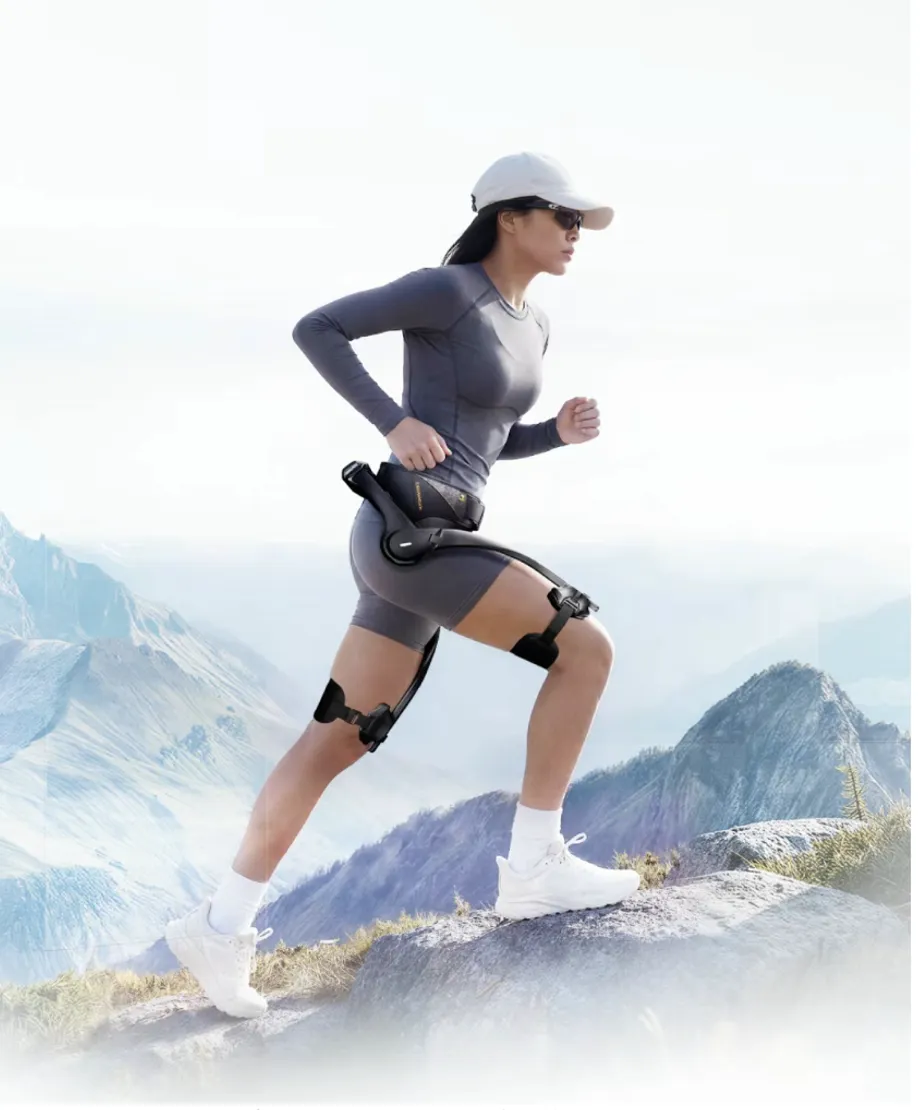
The proliferation of wearable robotics in China is driven by advancements in lightweight design, improved power efficiency, and aggressive localization strategies by domestic manufacturers. These exoskeletons are increasingly being marketed not merely as medical aids but as lifestyle enhancers for the general population.
Companies such as Sarcos, Haier and various emerging Chinese startups are focusing on creating devices that offer practical benefits beyond rehabilitation, including enhancing elderly mobility and assisting individuals with physical stamina limitations during daily activities. The market is responding to a growing demographic of aging citizens who require enhanced support systems.
The technological breakthroughs enabling this consumer push involve sophisticated sensor integration and refined actuation systems. These robots are becoming lighter while maintaining the necessary torque output, addressing previous hurdles related to user fatigue and cumbersome operation. This refinement allows for broader appeal across socioeconomic strata, moving beyond specialized clinical settings.
Investment capital is flowing heavily into this sector, indicating strong confidence from venture capitalists regarding the long-term viability of bionic consumer products in the Asian market. Government support initiatives further catalyze this growth, viewing exoskeleton technology as a key component of future smart healthcare infrastructure.
Market Dynamics and Future Trajectories
The competitive landscape within China is intensifying, forcing companies to rapidly innovate on features, cost structures, and user experience. Price point reduction remains a critical battleground; while early models commanded premium pricing, newer iterations are targeting mass-market affordability.
These exoskeletons address several distinct use cases. In the medical sphere, they provide crucial support for stroke survivors or those recovering from injuries. However, the consumer trajectory extends into leisure and occupational support—imagine workers using them to lift heavier loads with less strain, or older adults using them for recreational walking.
Looking ahead, the integration of Artificial Intelligence (AI) is poised to revolutionize these devices further. Future iterations are expected to incorporate predictive gait analysis and adaptive control algorithms, allowing the robot to anticipate user movements rather than merely reacting to them. This level of autonomy significantly enhances both safety and comfort for the end-user.
The success in China provides a crucial proving ground for global exoskeleton technology. If these domestic manufacturers can maintain their pace of iteration while scaling production efficiently, Chinese exoskeletons are likely to become a globally competitive export product within the next five years. For investors tracking robotics, this trend highlights a definitive pivot toward human-machine integration as a mainstream consumer utility rather than a niche industrial application.