🎙 Listen to a summary of this story
Dutch greenhouse technology firms in China are strategically shifting their business model from hardware sales to supplying sophisticated digital farming software.
This pivot reflects a broader industrial maturation within China's massive agricultural tech sector, moving beyond simple climate control installations toward integrated data-driven operational management. The transition signals that the value proposition for these European specialists is increasingly residing in proprietary algorithms and predictive analytics rather than merely supplying physical environmental controls to high-tech greenhouses.
The move addresses escalating domestic pressure within China for technological self-sufficiency, making locally adaptable, highly intelligent software platforms more valuable than imported hardware packages. These firms are leveraging their deep expertise in controlled environment agriculture (CEA) to embed knowledge into scalable digital solutions designed for the Chinese market's unique operational demands.
Commercial Dynamics and Technological Shift
The core of this transition involves embedding proprietary monitoring, resource optimization, and crop management software into existing or new greenhouse infrastructure. Instead of selling a complete climate control system—which includes fans, heaters, and sensors—the Dutch firms are now focusing on the intelligence layer that manages those components dynamically.
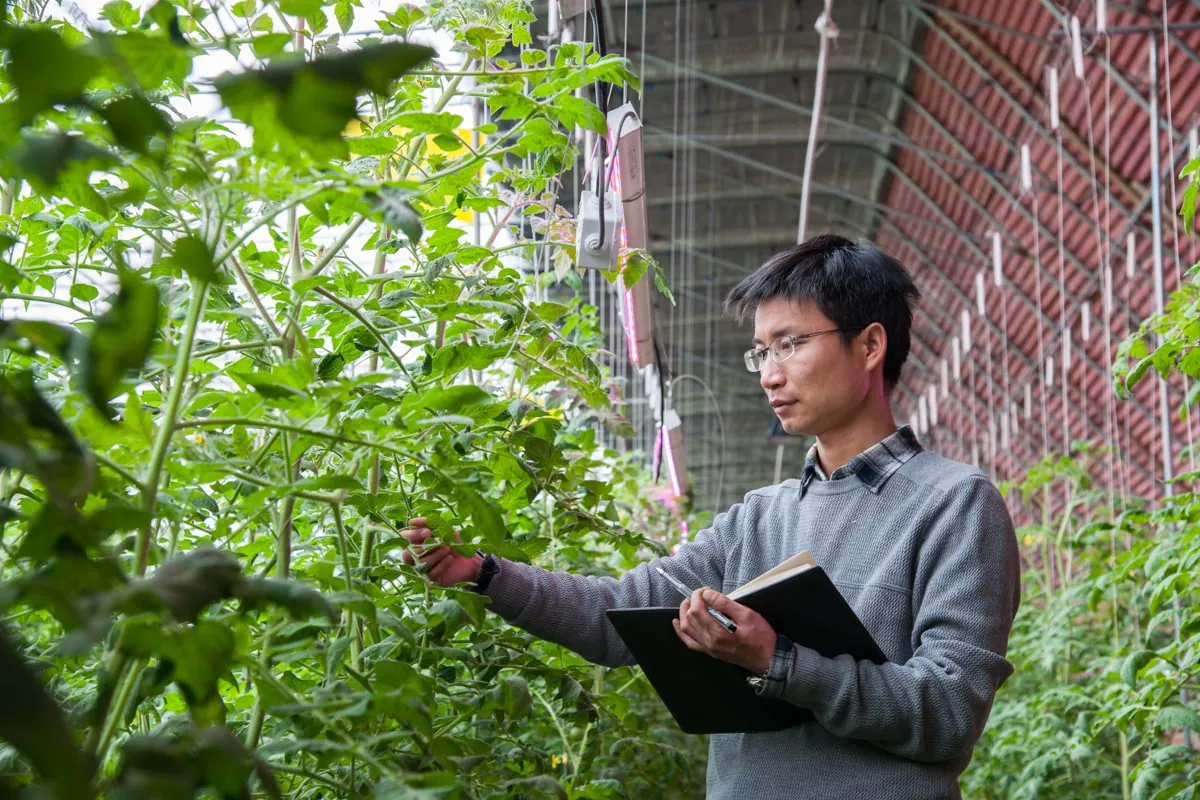
These platforms reportedly utilize machine learning models to analyze real-time data streams from thousands of IoT sensors planted within the greenhouses. This allows for hyper-localized adjustments to irrigation schedules, nutrient delivery (fertigation), and light spectrum intensity—optimizing yield while minimizing energy and water consumption in a manner unattainable through static control systems.
Commercially, this shift offers more resilient revenue streams. While hardware sales are subject to CAPEX cycles and replacement demands, subscription-based Software-as-a-Service (SaaS) models provide predictable recurring revenue aligned with the operational lifespan of the agricultural enterprise itself. This model aligns better with long-term strategic partnerships.
Broader Market Implications and Geopolitical Context
This trend highlights a significant global trend in high-value industrial agriculture: the digitization of operations is outpacing the deployment of physical machinery. As major Chinese agribusinesses scale up production, their bottleneck shifts from simply having space to maximizing efficiency per square meter, making software optimization paramount.
Geopolitically, this pivot allows these Dutch firms to navigate complex trade environments by exporting intellectual property and services rather than solely relying on hardware exports, which can face tariffs or supply chain volatility. The software is inherently less susceptible to traditional customs barriers.
Ultimately, the reliance on advanced digital farming tools underscores a global industry recognition that data—the ability to predict disease outbreaks before visual symptoms appear, or perfectly time nutrient dosing based on plant transpiration rates—is the ultimate differentiator in modern, high-yield agriculture. For these Dutch players, software is the new greenhouse asset.