🎙 Listen to a summary of this story
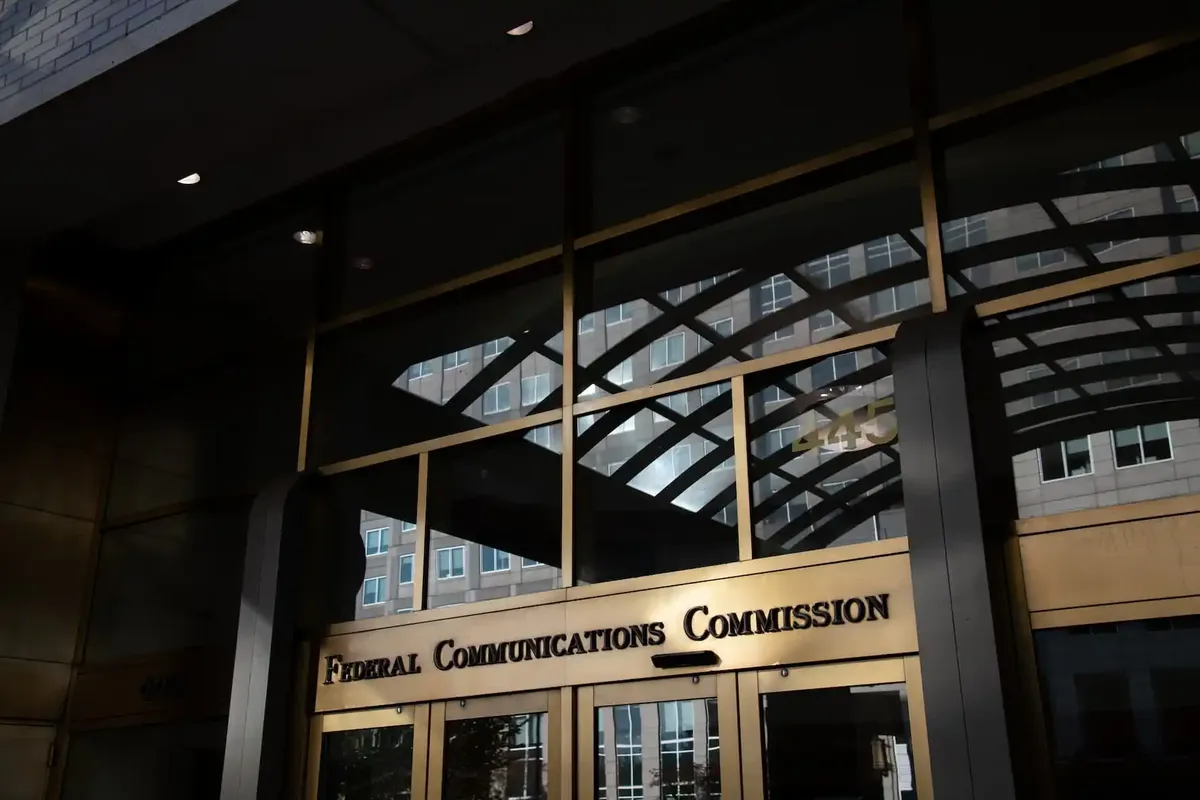
The Federal Communications Commission is preparing to vote on rules that would prevent laboratories in China from testing and certifying smartphones, computers and other electronic devices intended for sale in the United States.
The commission is scheduled to consider the proposal on Oct. 29. If approved, the restrictions would take effect in December 2028, giving manufacturers and testing organisations more than two years to adjust their operations.
The measure would prohibit the FCC from recognising testing laboratories and certification bodies in countries that do not provide equivalent access to laboratories based in the United States. Although framed as a reciprocity rule, its greatest impact would be on China, where much of the world’s electronics testing is conducted.
FCC Chair Brendan Carr said 82% of electronic devices were tested in China in 2025, while fewer than 4% were tested in laboratories located in the United States. China and the United States do not have a reciprocal agreement covering the recognition of testing facilities.
Testing becomes a new front in technology restrictions
The FCC must authorise many devices that transmit radio frequencies before they can be marketed or imported into the United States. Products are tested to determine whether they comply with technical standards intended to prevent interference with communications networks and ensure radio-frequency emissions remain within permitted limits.
The proposal would expand restrictions adopted in 2025, when the commission stopped recognising laboratories owned or controlled by governments the United States classifies as foreign adversaries. Several dozen laboratories were excluded under those rules, but the FCC said most Chinese testing facilities remained eligible to assess products for the American market.
The broader measure could reshape a largely unseen section of the global technology supply chain. Electronics manufacturers rely on specialist laboratories to test products during development and before commercial release. Moving that work outside China could increase demand for facilities elsewhere in Asia, Europe and North America.
The FCC is also proposing a faster approval process for devices tested in the United States or in countries it considers to present lower security risks. Carr said the commission wanted to encourage more testing to take place domestically while insisting on reciprocal treatment for American laboratories overseas.
Impact on manufacturers remains uncertain
The plan is the latest in a series of U.S. actions restricting Chinese participation in telecommunications and electronics markets. The FCC has previously blocked equipment from Huawei and ZTE, restricted new Chinese-made routers and drones, and proposed limits on connections between American carriers and Chinese telecommunications companies considered security risks.
The commission says its policies are necessary to protect communications networks and equipment-authorisation procedures. Chinese officials have repeatedly criticised similar technology restrictions as discriminatory measures that disrupt international trade and supply chains.
The potential consequences remain uncertain. Manufacturers have time to identify alternative laboratories, and the long implementation period could allow additional testing capacity to be developed. It is not yet clear whether relocating certification work would significantly delay product launches or increase consumer prices.
The proposal also remains subject to the commission’s vote, and its final language could change before adoption. Until the FCC approves and publishes a final order, it should be described as a planned restriction rather than an existing ban.
The original proposal is available on the FCC’s website. The Oct. 29 vote will determine whether the United States begins moving a crucial part of electronics certification away from China.