
🎙 Listen to a summary of this story
Guangdong manufacturers are dominating European markets, capitalizing on surging demand for climate-resilient goods amid severe heatwaves across the continent.
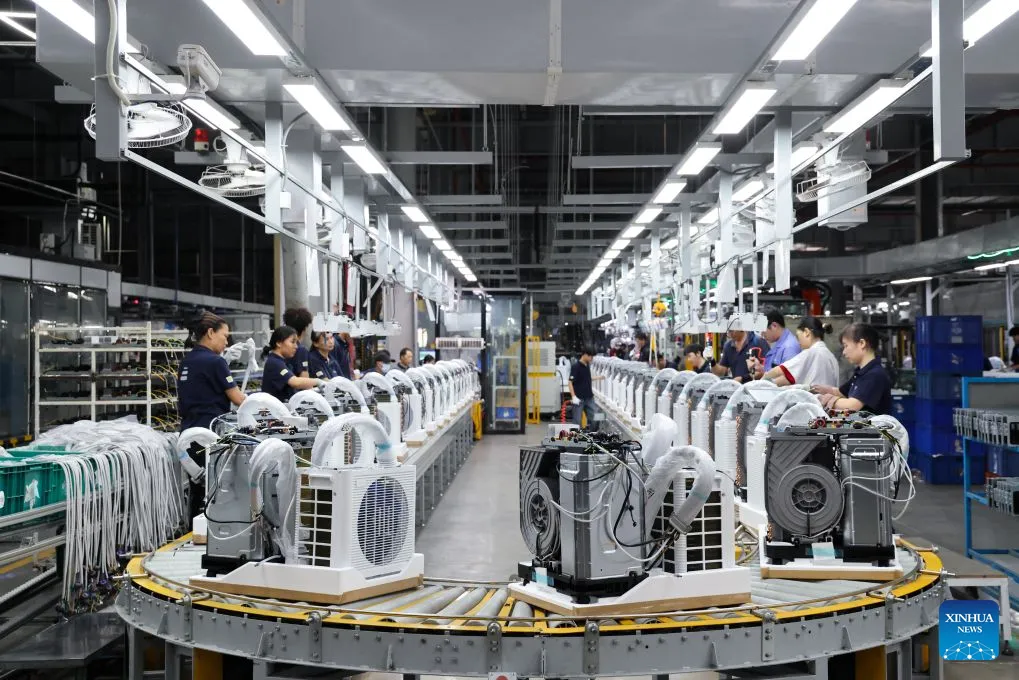
The export surge, driven by resilient production capabilities in China's manufacturing heartland, signals a significant shift in global supply chain priorities. Companies based in Guangdong province are successfully meeting the acute needs of European consumers, particularly in sectors related to cooling, home efficiency, and durable goods designed to withstand extreme environmental conditions. This commercial success underscores the region’s pivot from solely mass-market production to providing high-utility, demand-driven solutions.
Market analysis indicates that items such as high-efficiency cooling accessories, specialized textile products, and energy-saving appliances have seen unprecedented order volumes. These products are directly correlated with the prolonged periods of high temperatures experienced throughout Southern and Western Europe this summer. The ability of Guangdong firms to rapidly scale production and maintain rigorous quality control has allowed them to secure substantial contracts with major European distributors.
This performance is not merely a reflection of temporary weather patterns; it highlights the strategic alignment between Chinese manufacturing agility and evolving global consumer requirements for sustainability and climate preparedness. The operational efficiency embedded in Guangdong’s industrial ecosystem allows for quicker lead times than many established Western competitors.
Manufacturing Resilience and Global Supply Chains
The competitive advantage enjoyed by these Guangdong enterprises stems from deep integration within regional supply chains and significant investment in modern production technology. Many firms have successfully adopted smart manufacturing processes, allowing them to maintain consistent output even when facing logistical pressures or material fluctuations.
Specific manufacturing hubs within the province have tailored their product lines to meet stringent European Union environmental standards, a crucial factor in maintaining market access. Compliance with complex regulatory frameworks, which govern everything from chemical composition to energy rating, has become a non-negotiable pillar of their international strategy. This proactive adaptation separates them from producers relying on legacy, less adaptable models.
Furthermore, the regional government has actively supported the export drive through targeted incentives and infrastructure upgrades, facilitating smoother movement of goods to international ports. This governmental backing complements the private sector’s drive toward technological modernization, creating a powerful feedback loop favoring high-quality, export-ready goods.
The focus has shifted beyond simply competing on unit price; the narrative now centers on value proposition, where durability and climate functionality command a premium. Firms are investing heavily in R&D to ensure their offerings remain relevant as climate patterns become more unpredictable globally.
Future Trajectories in Global Trade
Industry observers project that this trend toward demand-driven, climate-responsive manufacturing will accelerate throughout the remainder of the fiscal year. As global weather volatility increases, the need for reliable, specialized products manufactured in efficient hubs like Guangdong will only intensify.
The long-term implications extend beyond immediate sales figures; they signal a structural change in global sourcing. Buyers in Europe are increasingly prioritizing manufacturing partners who demonstrate both scale and technical adaptability, rather than solely focusing on the lowest acquisition cost.
For these Guangdong exporters, the pathway forward involves deepening their integration into European distribution networks and potentially establishing localized service centers. This localization strategy mitigates risks associated with long-haul shipping and enhances responsiveness to specific regional consumer feedback.