🎙 Listen to a summary of this story
HarmonyOS captured significant market momentum in Q3 2026, achieving a measurable growth in sales share while the dominant Android ecosystem experienced a continued contraction in its global market penetration.
This quarterly performance indicates a deepening structural shift within the global smartphone operating system landscape, suggesting that proprietary and regionally focused mobile operating systems are gaining critical traction against established giants. Huawei's HarmonyOS, backed by integrated hardware and ecosystem development, is capitalizing on specific market segments demanding greater technological sovereignty and optimized performance.
The dip observed in Android's sales figures is not necessarily indicative of a fundamental failure of the Android platform itself, but rather reflects intensifying competitive pressure and strategic shifts by OEMs prioritizing localized, vertically integrated solutions over broad, generalized OS reliance. This trend marks a pivotal moment in the race for mobile OS dominance.
Commercial Dynamics and Technical Benchmarks
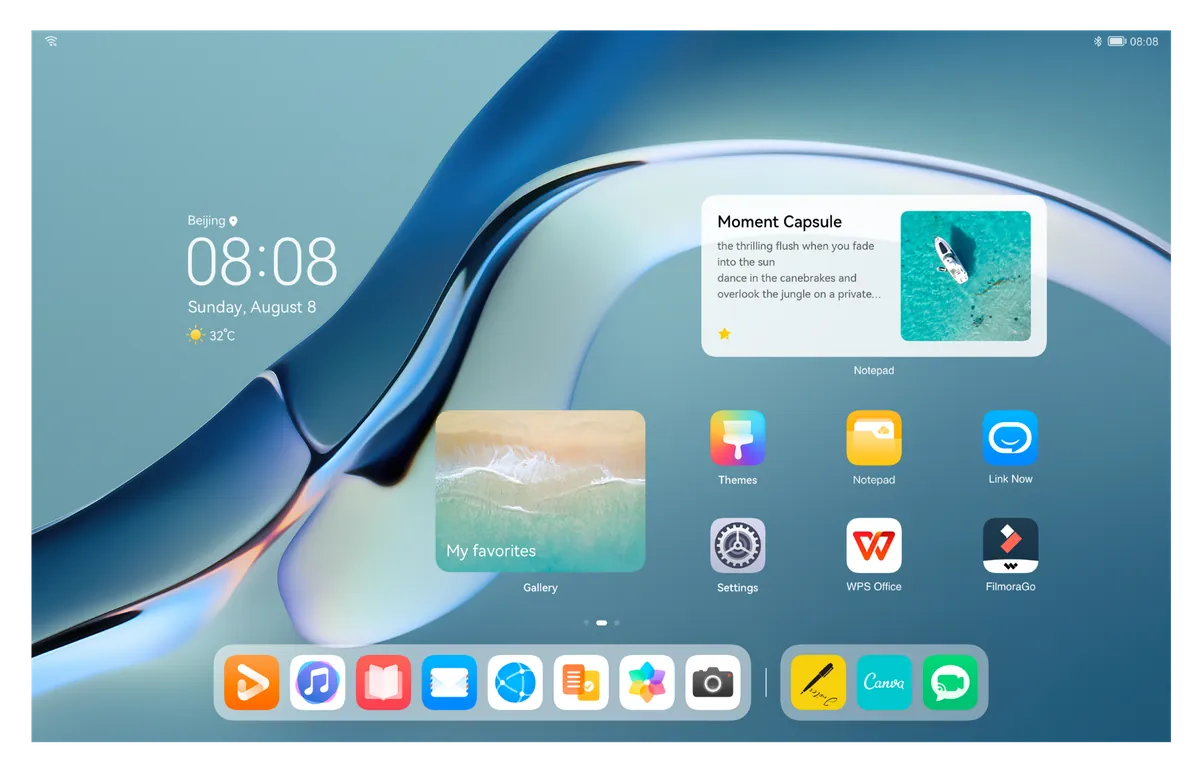
The growth trajectory of HarmonyOS is intrinsically linked to its highly optimized integration capabilities across Huawei’s hardware portfolio. Unlike systems that rely heavily on third-party application stores and fragmented developer ecosystems, HarmonyOS was designed from the ground up to manage resource allocation efficiently on proprietary devices. This tight coupling allows for superior latency and power management, key differentiators in mid-to-high-range devices.
Market analysis suggests that the successful penetration into developing economies, coupled with strategic partnerships in specific regional markets, fueled the Q3 growth. The operating system’s ability to function robustly even with constrained connectivity or limited processing power provides a compelling value proposition against more resource-intensive competitors. Furthermore, the expansion of HarmonyOS beyond mere smartphone deployment into smart wearables and IoT devices broadens its total addressable market significantly.
Commercial strategies employed by Huawei focused heavily on bundling the OS with innovative hardware features, effectively creating a closed-loop ecosystem that discourages switching. This approach contrasts sharply with Android’s reliance on ecosystem ubiquity, favoring instead depth of integration within Huawei’s own product lines, which proved highly effective during the analyzed period.
Geopolitical and Industry Implications
The increasing viability of HarmonyOS carries significant geopolitical weight. As a non-Google-centric ecosystem, its success represents a tangible alternative to the Anglo-American technological hegemony that has long defined the mobile space. Nations and corporations seeking reduced reliance on Western technological infrastructure find HarmonyOS an increasingly attractive strategic partner.
From a pure industry standpoint, this trend signals the maturation of the "ecosystem wars" into the "sovereignty wars." The competitive advantage is shifting from simply having the most apps to controlling the entire stack—from silicon design to user experience—a domain where vertically integrated players like Huawei hold a distinct advantage. This forces competitors to reassess their strategies regarding hardware diversification.
If HarmonyOS can sustain its growth trajectory and broaden its developer base beyond its core hardware partners, it poses a credible, long-term threat to the established Android dominance. The market appears to be segmenting, with Android retaining strength in global volume through sheer installed base size, while HarmonyOS is successfully capturing high-growth, value-conscious, and geopolitically sensitive market shares.