🎙 Listen to a summary of this story
A Hong Kong tycoon-backed start-up is challenging established energy-storage giants with a novel battery technology poised to disrupt the electric vehicle and broader grid storage markets.
EnerVenue, backed by influential figures including tycoon Peter Lee Ka-kit, is developing an advanced battery chemistry designed specifically to address key limitations in current lithium-ion solutions concerning energy density and charging speed. This strategic push targets segments where incumbents currently command significant market share but face technological bottlenecks.
Technological Leap Targets Market Gaps
The core of the start-up's ambition rests on its proprietary battery design, which reportedly offers substantial improvements over conventional chemistries. Industry analysis suggests that faster charging cycles and higher energy density are critical differentiators for adoption in premium EV segments where performance expectations are highest.
While specific chemical formulations remain closely guarded intellectual property, the technology aims to circumvent several issues associated with existing battery lifecycles and thermal management, which plague high-performance applications. This focus on fundamental material science positions the start-up not merely as a component supplier but as a potential technological alternative to incumbent powerhouses.
Investment backing from prominent Hong Kong business leaders signals strong confidence in the commercial viability of this disruptive technology. Such strategic capital infusion allows the firm to undertake the lengthy and expensive process of scaling up production while simultaneously navigating complex regulatory environments across major manufacturing hubs, particularly in China.
The competitive landscape includes established global battery manufacturers that benefit from massive economies of scale and entrenched supply chains. The start-up’s strategy appears predicated on achieving a superior performance metric—the technological edge—that justifies the risk associated with challenging these deeply rooted industry leaders.
Strategic Implications for Global Energy Storage
The success or failure of this venture carries broader implications for the global transition toward electrified transport and renewable energy integration. As grid storage requirements grow exponentially to support intermittent solar and wind power, advancements in battery safety and capacity become paramount infrastructure needs.
If the new battery chemistry proves scalable and cost-effective at mass production levels, it could accelerate the timeline for widespread EV adoption globally while simultaneously enhancing the stability of electrical grids reliant on energy storage solutions. The market is currently undergoing intense scrutiny regarding sustainable sourcing and long-term performance characteristics of batteries.
Peter Lee Ka-kit’s backing suggests an intent to move beyond purely academic breakthroughs toward tangible, deployable industrial solutions. This executive-level commitment implies a clear pathway toward securing major partnerships or entering direct manufacturing agreements with large automotive OEMs or utility providers.
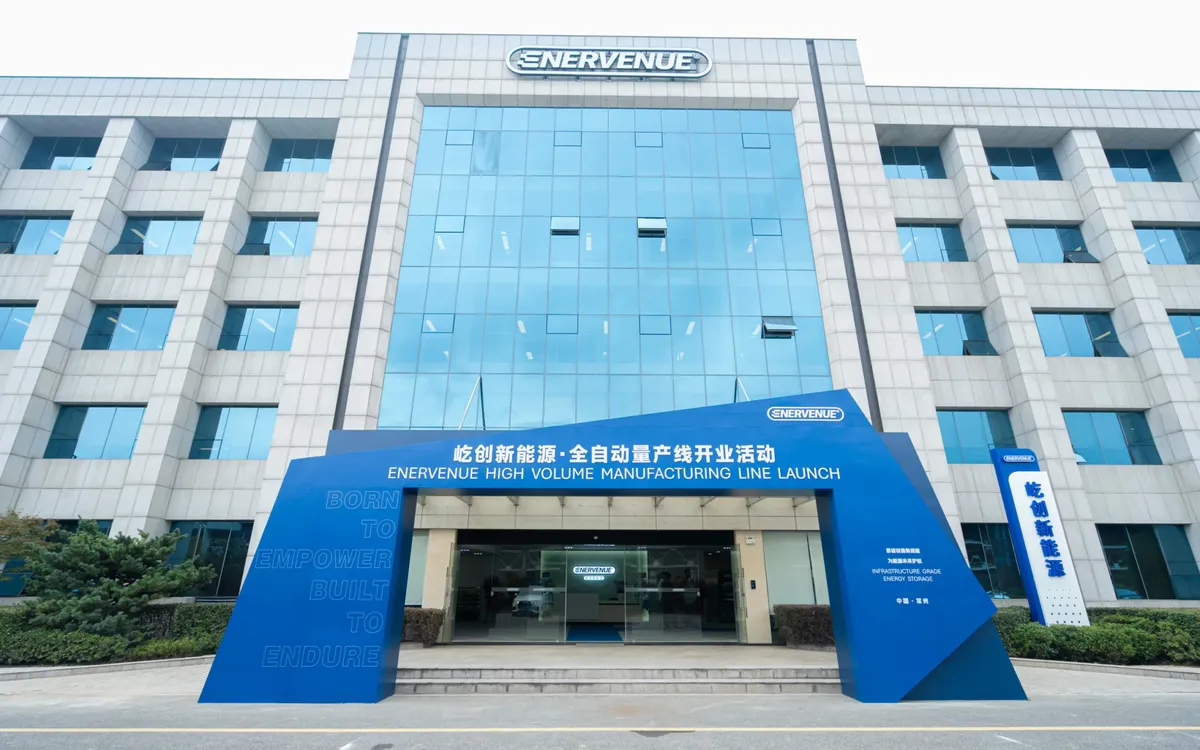
EnerVenue is actively positioning itself within the rapidly expanding Chinese EV ecosystem, leveraging that market’s voracious appetite for cutting-edge power solutions. The ability to successfully localize production and meet stringent Chinese quality standards will be a critical determinant of its international expansion trajectory. Investors are watching closely to see if this start-up can translate laboratory promise into industrial dominance.