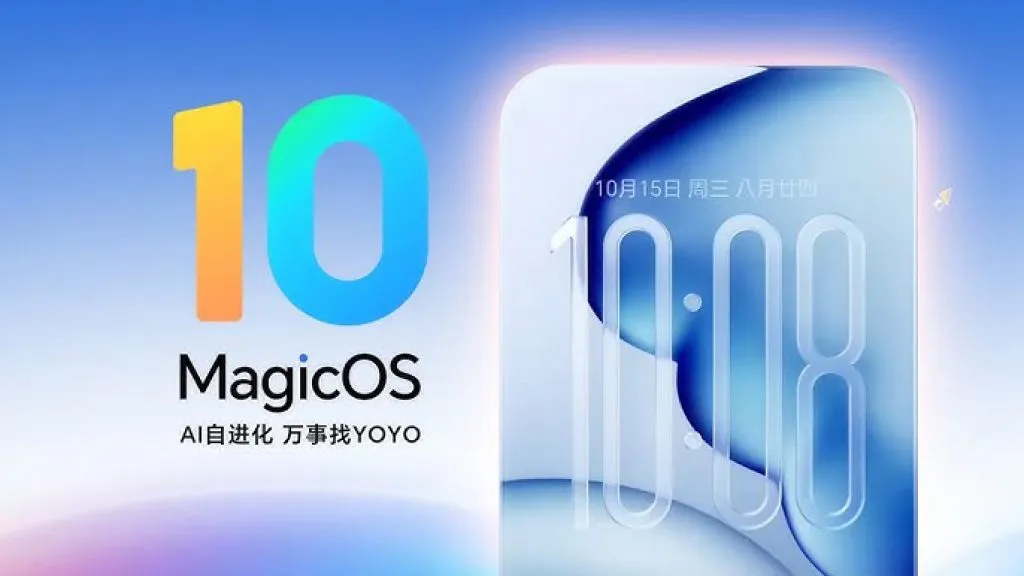
Honor is rolling out MagicOS 10 on June 20, 2026, introducing significant enhancements to its YOYO AI suite designed to deepen user interaction and streamline daily tasks.
The latest software update focuses heavily on integrating more sophisticated artificial intelligence capabilities directly into the operating system experience. These advancements aim to make device operation more intuitive and proactive for users across various hardware configurations.
YOYO AI Enhancements Drive Core Functionality
Central to this release is the evolution of the YOYO AI engine, which receives several targeted upgrades. The new features extend beyond simple voice commands, embedding contextual awareness into routine operations.
Specifically, the update incorporates improved intelligent assistants capable of managing complex, multi-step workflows without requiring explicit sequential prompting from the user. This represents a significant leap toward true ambient computing within the Honor ecosystem.
Furthermore, new AI functionalities are being deployed to enhance media handling and content creation directly on the device. Users can now leverage YOYO AI for more nuanced photo editing suggestions and real-time video summarization features.
The performance optimizations accompanying these AI additions ensure that increased computational load does not translate into noticeable latency, maintaining Honor’s reputation for fluid system responsiveness even when utilizing intensive AI models.
Security protocols surrounding the processing of personal data by YOYO AI have also received scrutiny and updates. Huawei Central confirms stricter local processing mandates for sensitive queries, reinforcing user privacy while expanding AI utility.
The rollout targets a broad range of Honor devices supporting MagicOS 10, signaling a unified strategic push across their mobile hardware portfolio to cement the ecosystem's technological leadership.
Strategic Implications for User Experience and Ecosystem
These updates signal Honor’s sustained commitment to differentiating itself in an increasingly crowded smartphone market through proprietary AI integration rather than relying solely on generic platform features. The emphasis on YOYO AI suggests a strategic focus on creating highly personalized user journeys.
The ability of the system to anticipate needs and manage complex tasks autonomously positions MagicOS 10 as a more proactive operating environment. This shifts the user relationship from one of instruction-giving to one of collaborative interaction with the device.
Industry analysts view this move as critical for maintaining market share against competitors who are rapidly advancing their own generative AI integrations across their mobile platforms. Honor's approach appears focused on deep, integrated functionality rather than superficial feature additions.
The release schedule places significant emphasis on user adoption and iterative feedback loops; the initial deployment serves as a testing ground for further refinement of the YOYO AI models. This commitment to post-launch optimization is key to long-term software viability.
Consumers upgrading to MagicOS 10 can anticipate a noticeably smarter device, where the operating system actively assists in managing digital clutter and optimizing productivity across communication, media, and core application usage.