🎙 Listen to a summary of this story
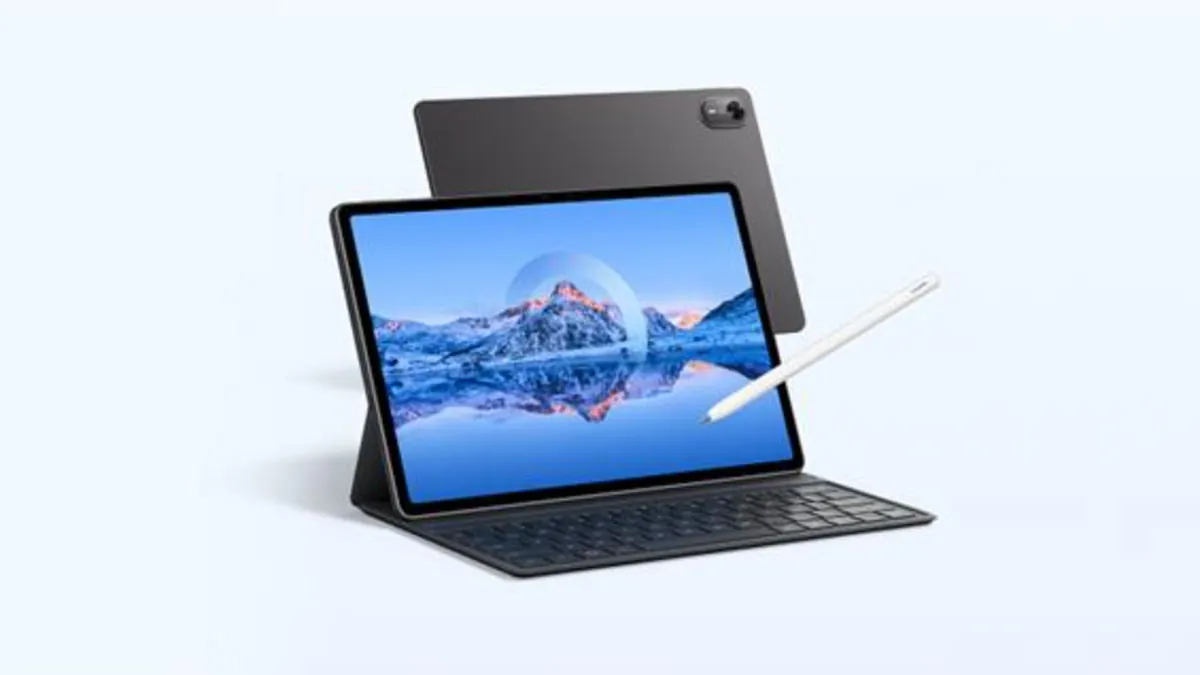
Huawei has launched its third-generation C7 commercial tablet, integrating HarmonyOS 7 and next-generation Wi-Fi 7+ technology.
This latest iteration signals Huawei's continued aggressive push into the high-end commercial tablet segment, emphasizing connectivity and native ecosystem integration. The C7 tablet is positioned not merely as an incremental upgrade but as a platform designed to enhance productivity within environments where robust, localized networking is paramount.
The introduction of HarmonyOS 7 on this hardware underscores Huawei's strategy of deepening its proprietary software ecosystem, allowing devices to function optimally even in environments constrained by Western application dependencies. This strategic maneuver directly addresses market demand for integrated, sovereign technological stacks.
Technical Advancements and Ecosystem Integration
The hardware architecture of the third-gen C7 tablet incorporates significant advancements, most notably the integration of Wi-Fi 7+. This standard provides substantial gains in throughput and latency, critical for modern enterprise applications and dense network usage. This superior connectivity capability positions the C7 favorably against competitors relying on older Wi-Fi generations in demanding commercial settings.
Furthermore, the tablet features an enhanced translate tool built directly into HarmonyOS 7. This utility represents a functional integration designed to streamline cross-border business operations, providing users with immediate, context-aware translation capabilities without requiring third-party cloud services. This self-sufficiency is a key selling point in international markets.
Beyond connectivity, the device’s hardware specifications are tuned for commercial resilience and longevity. The combination of the refined processor suite and the optimized HarmonyOS 7 ensures efficient power management while maintaining the processing headroom necessary for sophisticated multitasking required by corporate users.
Market Positioning
The launch of the C7 tablet is a clear statement regarding Huawei's intent to solidify its domestic and international presence outside of flagship consumer devices. By focusing on the commercial sector, Huawei targets stable, high-value B2B contracts where ecosystem lock-in and reliable operation outweigh initial component costs.
Geopolitically, the emphasis on HarmonyOS and localized functionality carries significant weight. It serves as a tangible demonstration of a viable, alternative operating system ecosystem that operates effectively outside the current dominance of Android and iOS, presenting a strategic alternative for governments and large enterprises seeking supply chain diversification.
This product cycle reinforces the narrative that Huawei is pivoting from merely catching up to establishing a self-sufficient technological sphere. The C7 tablet is thus less a consumer gadget and more a strategic commercial node within Huawei's broader technological ambitions for the coming fiscal cycles.