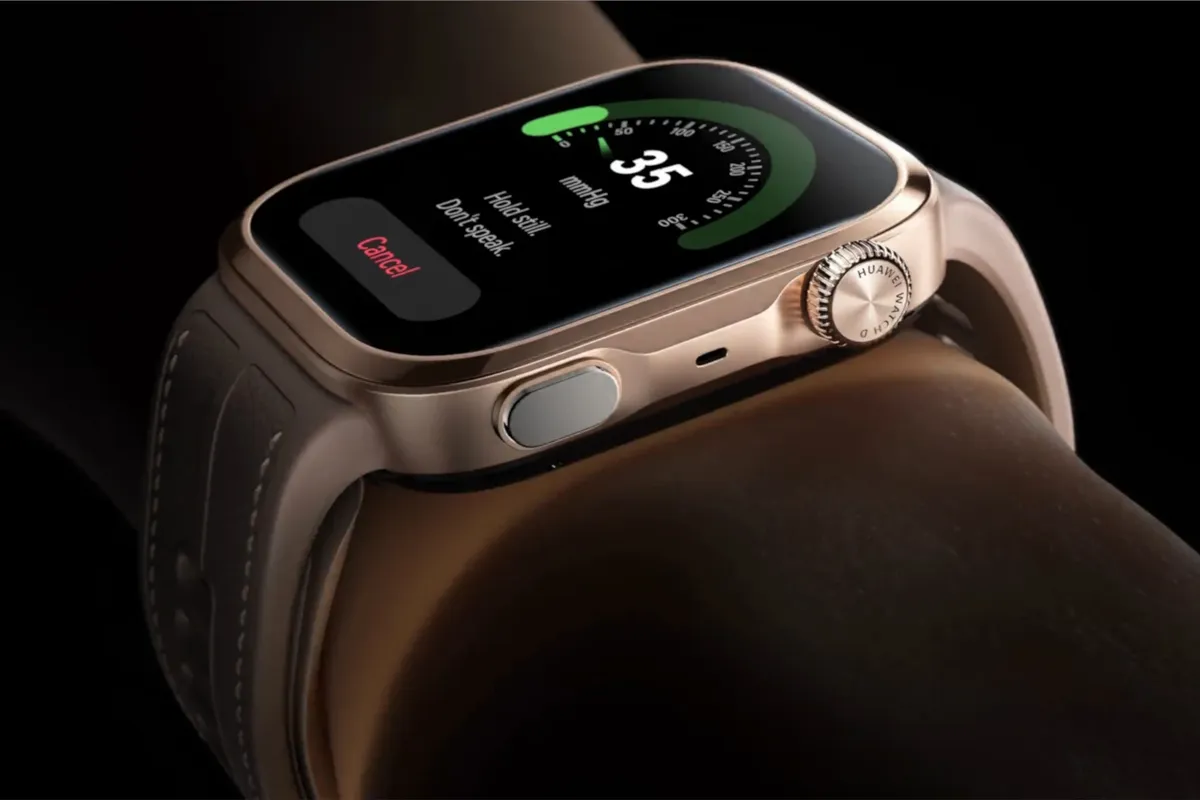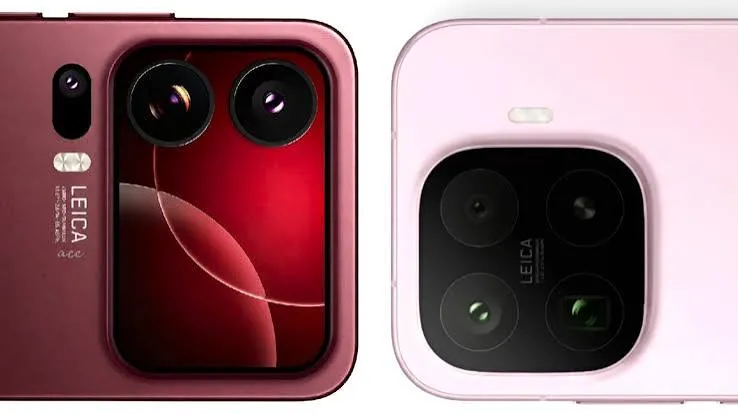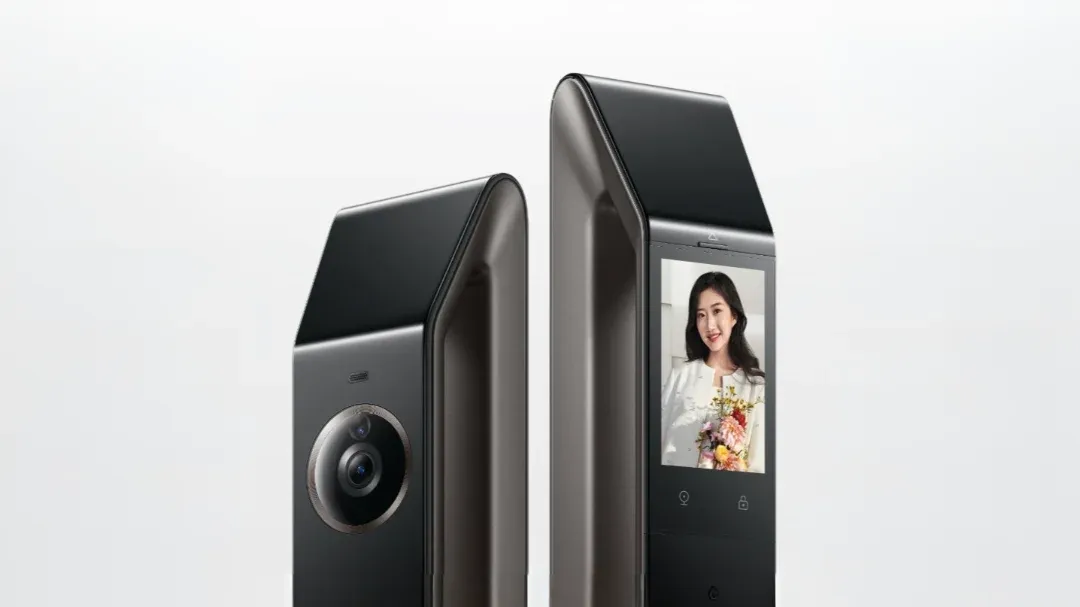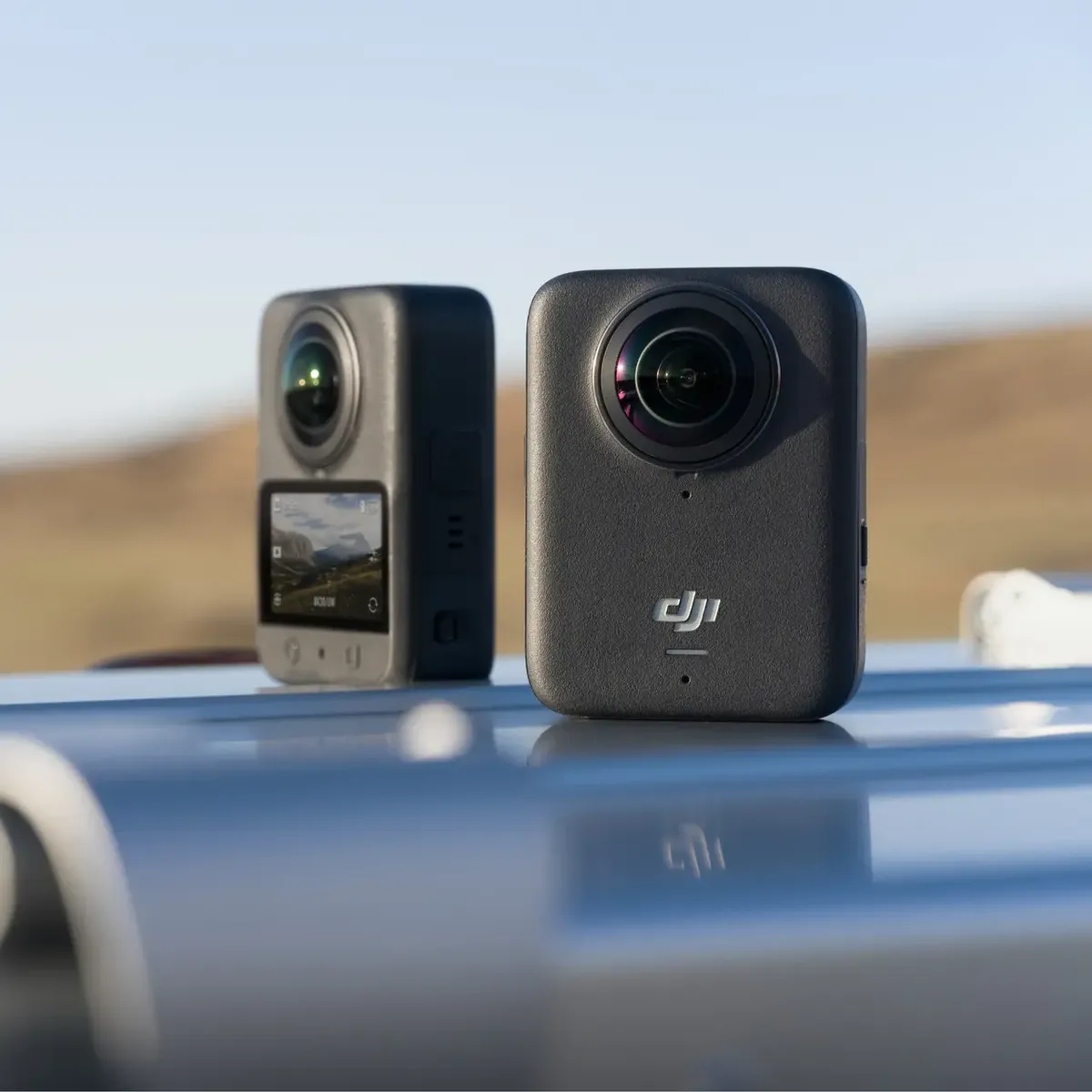
Huawei and DJI are reportedly considering another collaboration to significantly advance mobile imaging capabilities, signaling a strategic push into high-end consumer camera technology.
Strategic Partnership Focuses on Mobile Imaging Advancement
The potential partnership centers on integrating Huawei's advanced computational photography expertise with DJI’s established hardware strengths, particularly those related to sensing and aerial imaging systems. This renewed interest suggests both corporations recognize a significant market opportunity to redefine mobile visual capture.
Sources indicate that the discussion moves beyond previous, more peripheral collaborations, focusing instead on deep technological integration that could result in next-generation smartphone camera modules or specialized imaging accessories. Huawei possesses industry-leading capabilities in image processing and AI algorithms, while DJI commands expertise in sophisticated sensor design and robust operational hardware.
The strategic significance lies in the convergence of two powerhouse entities dominating distinct but related segments of the technology landscape—smartphones for Huawei and drones/imaging platforms for DJI. Merging these competencies promises a synergistic outcome capable of delivering imaging quality previously reserved for professional-grade equipment directly to mobile users.
This collaboration aligns with broader industry trends emphasizing computational photography, where software processing plays an increasingly critical role in achieving high-fidelity imagery beyond the physical limits of the lens itself. Huawei has consistently demonstrated leadership in this area through its camera systems.
DJI’s involvement brings a pedigree of precision engineering and large-scale sensor management into the conversation, which is crucial for developing reliable, high-performance imaging solutions that can withstand diverse real-world operating conditions.
Implications for Consumer Electronics and Market Positioning
Should this partnership materialize, the immediate impact will be felt in the premium segment of the smartphone market. Consumers could see mobile devices featuring enhanced low-light performance, superior dynamic range capture, or novel zoom capabilities powered by shared intellectual property.
Furthermore, the collaboration hints at potential spillover effects beyond standard smartphones. The combined technological stack might allow for specialized imaging tools—perhaps advanced phone attachments or integrated drone photography features accessible via mobile software—that bridge the gap between pocket-sized cameras and professional aerial capture devices.
Market analysts suggest that such a move would serve as a direct challenge to established camera technology leaders. By leveraging proprietary advancements from both firms, they aim not merely to iterate on existing products but to establish new benchmarks for mobile visual fidelity.
The discussions are currently in an exploratory phase, with the parties reportedly assessing the scope and specific technical deliverables required to justify a major joint venture or licensing agreement. The precise nature of the forthcoming product roadmap remains under wraps.
For interested observers tracking the semiconductor and consumer electronics sectors, this reported dialogue between Huawei and DJI represents a critical indicator of where high-level technological innovation is currently being directed—namely, pushing the boundaries of what mobile devices can capture visually. Further details are anticipated as negotiations progress toward concrete implementation.