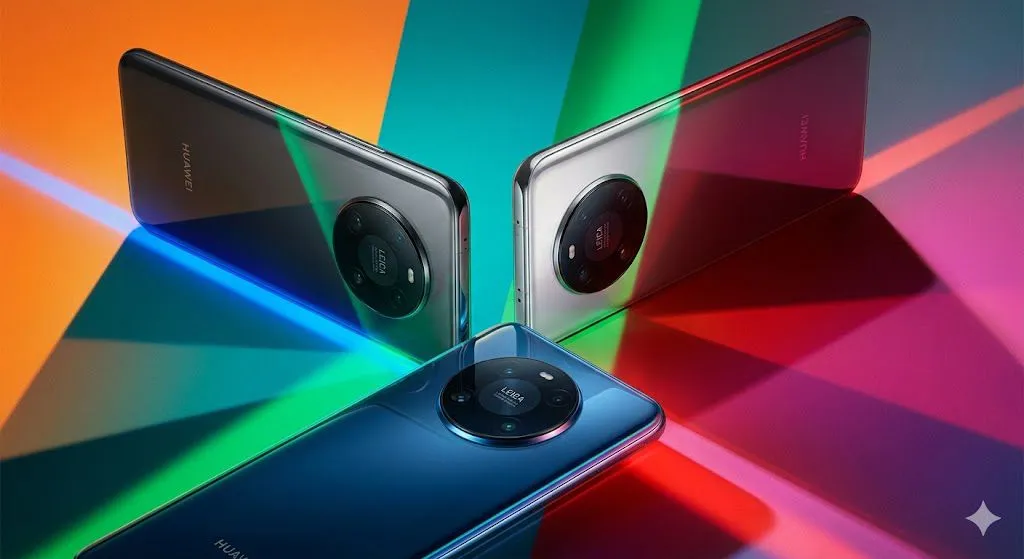
Huawei's upcoming Mate 90 series is anticipated to debut this autumn, powered by a new Kirin chipset that signals a crucial advancement in its domestic technology recovery.
Industry speculation strongly suggests the forthcoming flagship phones will feature proprietary silicon from Huawei’s own Kirin line, representing a significant step toward self-sufficiency following years of Western component restrictions.
This anticipated launch coincides with increased market anticipation for Huawei to solidify its premium mobile segment presence in the increasingly competitive global smartphone arena. The integration of a new Kirin processor is widely viewed by analysts as central to maintaining technical parity with established rivals.
Chipset Development and Performance Benchmarks
The core narrative surrounding the Mate 90 series centers on the capabilities of its rumored custom-designed Kirin chip. While official specifications remain undisclosed, reports indicate substantial architectural upgrades over previous generations.
These new processors are expected to deliver marked improvements across key performance indicators, including computational efficiency and graphical processing power, essential for high-end mobile experiences. The development cycle surrounding the Kirin series has been under intense scrutiny as Huawei attempts to navigate geopolitical supply chain hurdles effectively.
The move toward deeper in-house silicon design is not merely a hardware upgrade; it reflects a broader strategic pivot by the company to reduce reliance on external, potentially volatile, technology ecosystems. Successful deployment of this new chip would validate years of intensive R&D investment within Huawei’s semiconductor division.
Sources tracking mobile industry movements suggest that the Mate 90 series will leverage this hardware not just for raw speed but also for enhanced AI processing capabilities embedded directly into the System-on-a-Chip (SoC). This focus on integrated intelligence aligns with current trends in premium smartphone design globally.
The market positioning of the Mate 90 line is expected to target discerning consumers who prioritize advanced features and technological autonomy. The integration of a cutting-edge Kirin chip positions it directly against flagship offerings from major global manufacturers.
Autumn Launch Timeline
The anticipated autumn debut places the Mate 90 series launch within a critical window for smartphone releases, often coinciding with heightened consumer spending periods in various international markets. This timing allows Huawei to capture early holiday sales momentum.
Analysts concur that the success of this hardware iteration will significantly influence perceptions of Huawei’s recovery trajectory within the premium segment. A robustly performing Mate 90 series would provide tangible proof of concept for their domestic design and manufacturing capabilities.
The device is expected to carry advanced camera systems, though the Kirin chip's role in optimizing image processing—especially computational photography algorithms—is what elevates its strategic importance beyond mere speed improvements. These integrated optimizations are hallmarks of high-end mobile engineering.
Ultimately, the introduction of the Mate 90 series with its new Kirin engine represents Huawei's concerted effort to reassert itself as a leading innovator in mobile technology, using proprietary silicon as the cornerstone of its competitive strategy.