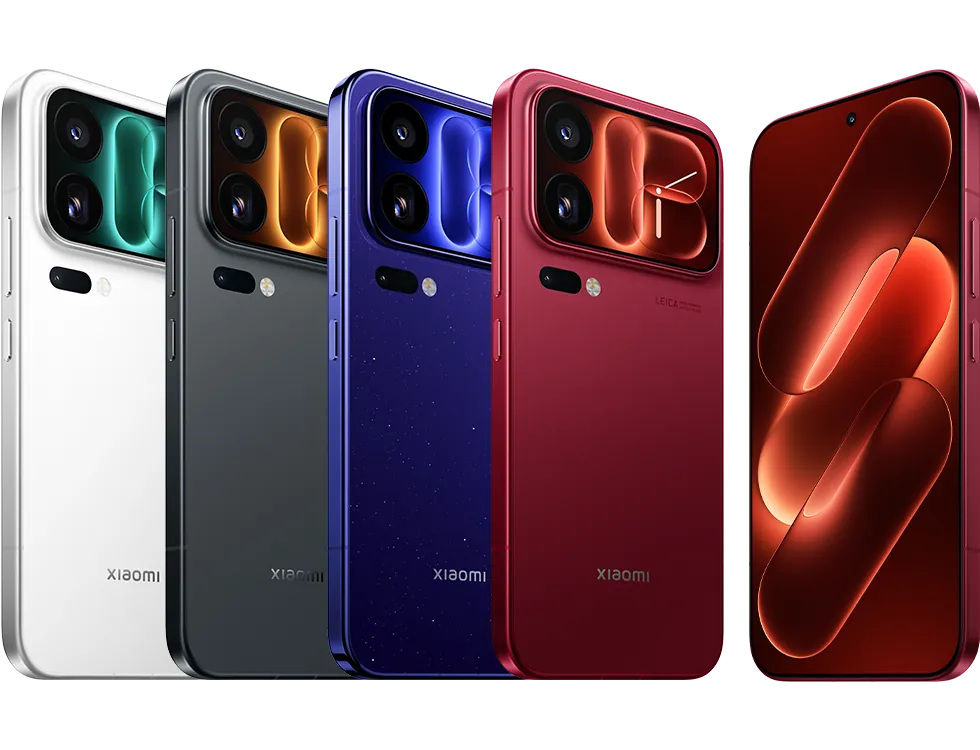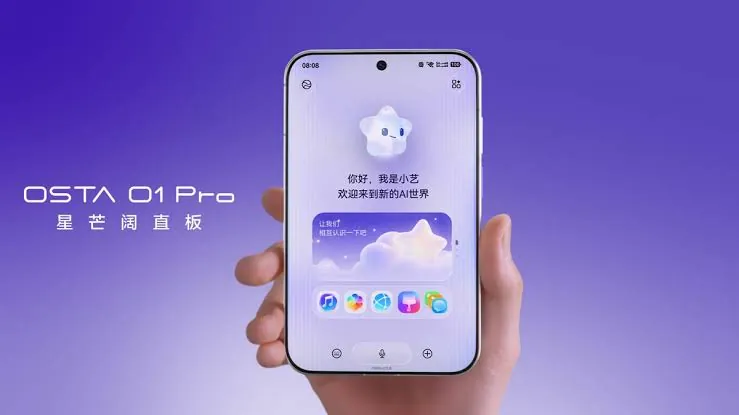
Huawei has unveiled OSTA, a new strategic sub-brand poised to launch its debut smartphone, reportedly powered by the advanced Kirin 9030S chipset.
This introduction signals Huawei's calculated maneuver to refine its market penetration strategy, moving beyond its monolithic brand identity to target more specialized consumer segments. OSTA is positioned not merely as a secondary line, but as a dedicated platform designed to address specific needs within the increasingly fragmented global smartphone market.
The debut device, while details remain scarce, represents a critical test case for Huawei's current supply chain resilience and its ability to deploy next-generation silicon outside of its primary consumer lines. The strategic significance lies in how OSTA will navigate the ongoing geopolitical pressures surrounding advanced semiconductor access.
Technical Profile and Commercial Positioning
Sources indicate that the inaugural OSTA handset integrates the Kirin 9030S processor, a chipset that reportedly represents a substantial leap in efficiency and processing capability for Huawei’s domestic and specific international markets. This chipset is central to OSTA's value proposition, suggesting a focus on high-performance computing alongside refined user experience.
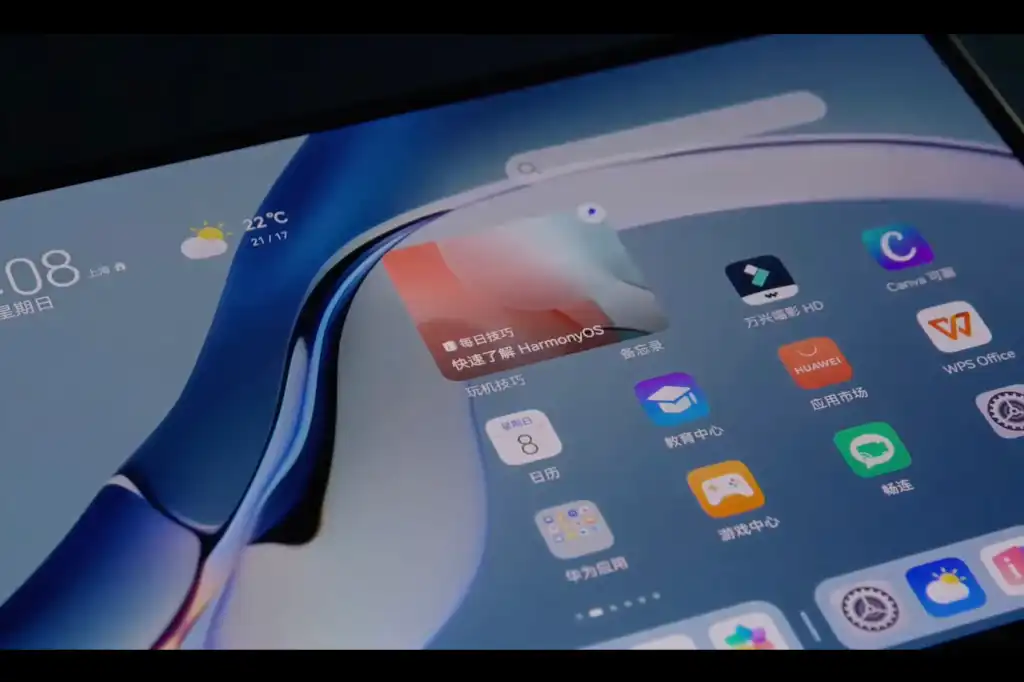
Commercially, OSTA appears engineered to capture market share from mid-to-high-tier competitors who rely heavily on standardized Android ecosystems. The brand is expected to emphasize design aesthetics and localized software optimization, differentiating itself from the more ubiquitous Huawei branding.
The rollout timeline suggests a measured, phased approach, allowing the company to calibrate consumer reception to the OSTA identity before committing to a wider portfolio. This controlled introduction minimizes risk associated with branding uncertainty in sensitive overseas markets.
Market Dynamics
The establishment of OSTA is a direct response to the complex relationship between technology innovation and international regulatory environments. By creating a distinct brand, Huawei can potentially tailor its product offerings to meet specific regulatory requirements or circumvent certain trade restrictions affecting its primary brand recognition.
From an industry standpoint, OSTA forces competitors to reassess their segmentation strategies. It challenges the notion that market dominance requires a single, overarching brand umbrella, suggesting that focused sub-brands can unlock niche profitability.
Ultimately, the success of OSTA hinges on its ability to translate advanced hardware—like the Kirin 9030S—into a compelling, differentiated consumer narrative. Investors and analysts will be closely monitoring whether this new venture successfully diversifies Huawei’s revenue streams while solidifying its technological independence.