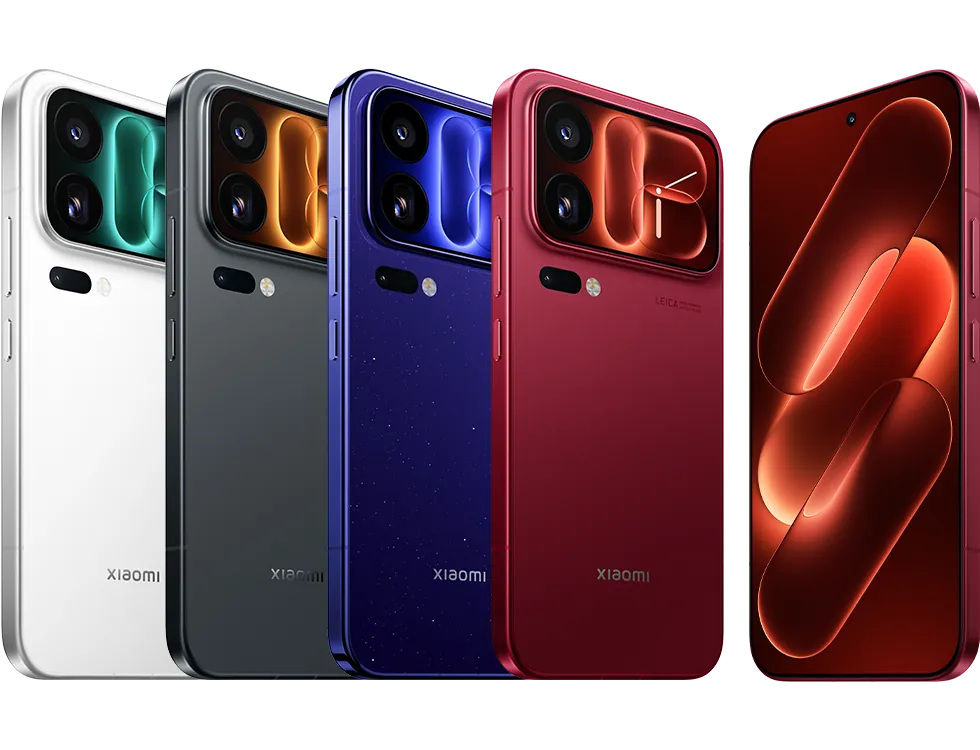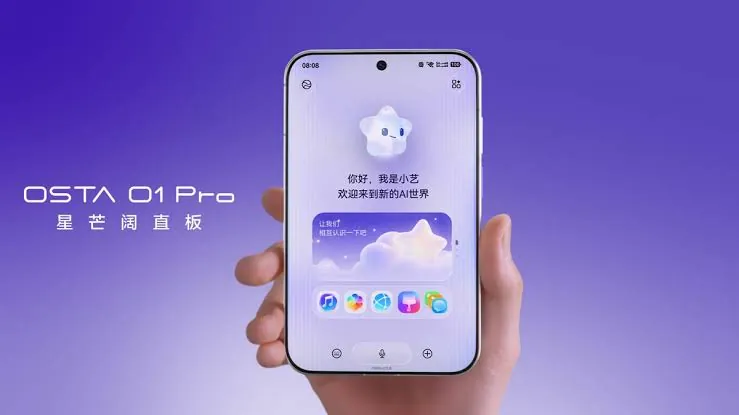
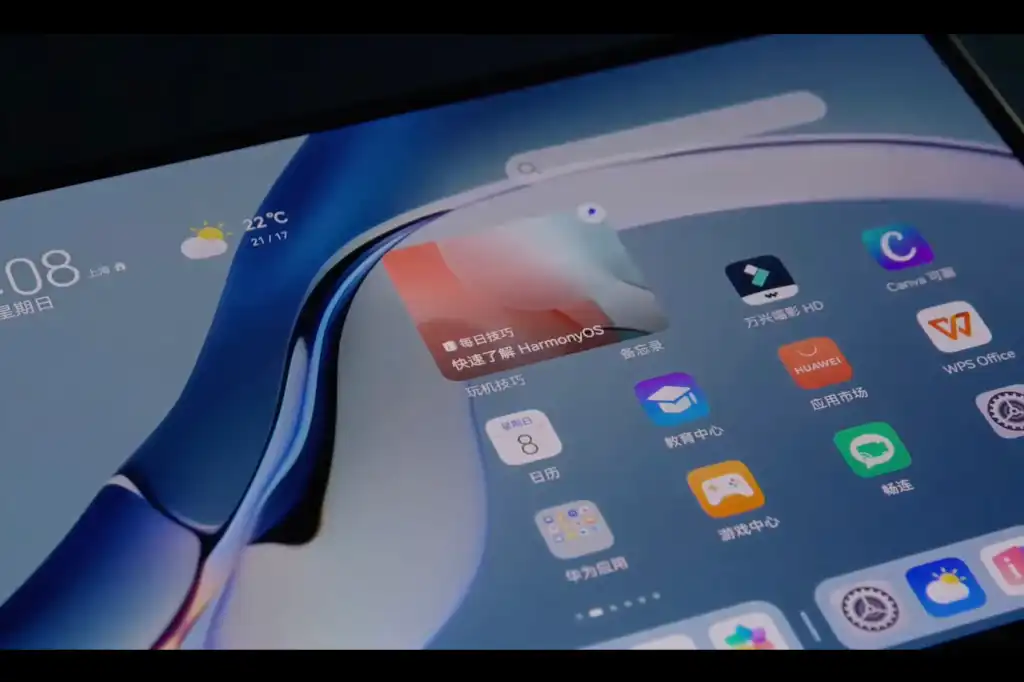
Native HarmonyOS has officially surpassed 100 million users, signaling a major inflection point in Chinese mobile and IoT operating system adoption. This monumental milestone validates Huawei’s sustained, multi-year strategy to cultivate a comprehensive, self-contained technological ecosystem capable of operating independently of established Western software frameworks. The achievement places HarmonyOS not merely as a domestic contender, but as a significant force challenging the global dominance of incumbent mobile platforms.
The rapid user acquisition trajectory suggests a successful integration of the operating system across a vast array of hardware, moving far beyond the traditional smartphone segment. This expansion into the Internet of Things (IoT) and smart device sectors is central to the platform's architectural design, allowing it to function coherently across heterogeneous devices rather than being confined to a single form factor.
The platform’s success is intrinsically tied to its distributed capabilities framework, which allows different devices—whether a smart watch, a vehicle infotainment system, or a home appliance—to operate as interconnected nodes within a single, cohesive environment. This seamless interoperability provides a functional advantage over systems that treat devices as siloed units, thereby enhancing the overall user experience within the Huawei sphere of influence.
Ecosystem Architecture and Commercial Dynamics
HarmonyOS is engineered from the ground up to manage complex, distributed computing environments, a technical prerequisite for its ambitious ecosystem goals. Unlike monolithic operating systems, HarmonyOS utilizes a microkernel approach that facilitates robust communication protocols between disparate hardware components. This design choice is critical to maintaining performance and security across a sprawling network of connected devices.
Commercially, the 100 million user mark represents the successful penetration of consumer markets across diverse demographics in China. The platform’s adoption is not purely organic; it is heavily supported by Huawei’s vertical integration strategy, which controls the hardware supply chain, ensuring optimized performance and tight software-to-silicon synergy. This control allows for rapid iteration and tailored feature deployment unmatched by platforms reliant on third-party hardware partnerships.
The ongoing commercial dynamic involves the gradual onboarding of external partners into the HarmonyOS ecosystem. While Huawei maintains strong control over its primary deployments, the strategy pivots toward building a broader, open-but-controlled environment. This balancing act between proprietary control and ecosystem openness is crucial for achieving global scalability while protecting core intellectual property.
International and Market Implications
From a geopolitical standpoint, the widespread adoption of HarmonyOS carries strategic weight. It represents a tangible success story in China's push for technological self-sufficiency, demonstrating the viability of developing complex, world-class operating systems without reliance on U.S.-centric infrastructure. This capability directly counters previous international technology sanctions.
In the broader market, this growth pressures the established duopoly of iOS and Android. While HarmonyOS may not immediately displace these giants in global market share, its deep penetration within the massive Chinese domestic market provides a formidable technological proving ground. Success here translates directly into validated engineering and operational maturity that can be ported internationally.
Ultimately, the sustained momentum behind HarmonyOS signals a structural shift in the global operating system landscape. The industry is moving away from simple mobile supremacy toward comprehensive, interconnected digital ecosystems. The 100 million user base serves as quantifiable evidence that a domestic, integrated solution can achieve critical mass in the face of entrenched international competition, setting a new benchmark for hardware-software integration in Asia.