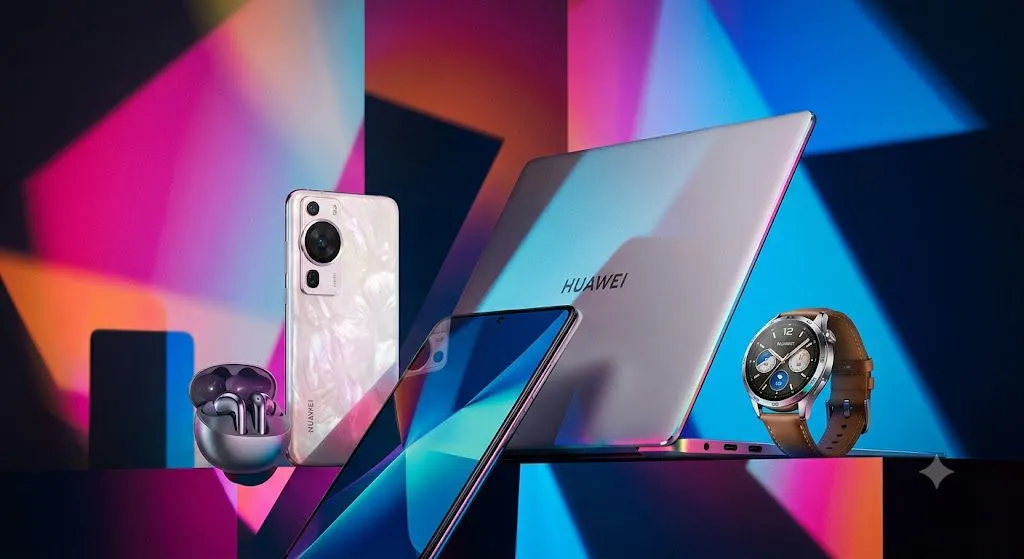
Huawei is poised to launch a selection of new smartphones and wearables this September, signaling an anticipated effort to revitalize its hardware portfolio following recent market pressures.
Sources indicate that the upcoming lineup will feature several devices designed to compete across various segments of the global mobile technology landscape. The rollout appears focused on strengthening Huawei's presence in markets where it has faced regulatory or competitive headwinds, emphasizing design and technological integration as key differentiators.
Anticipated Devices
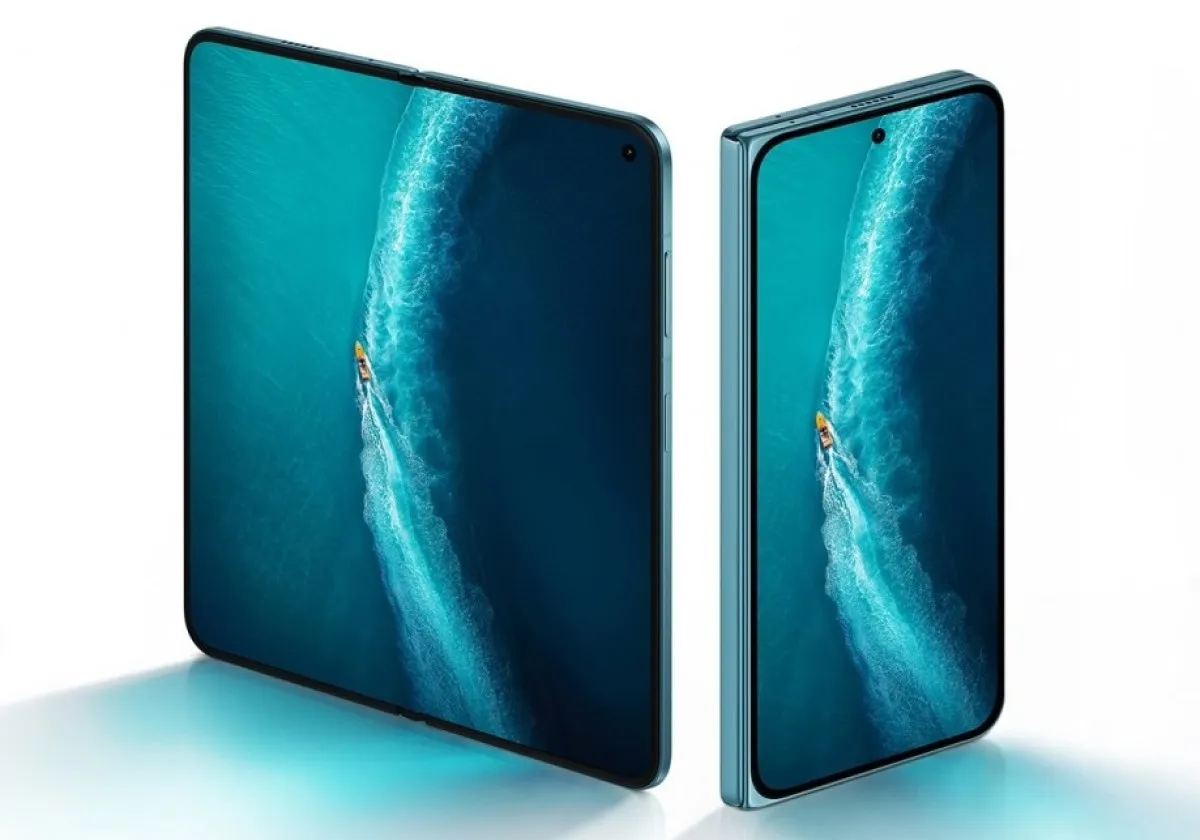
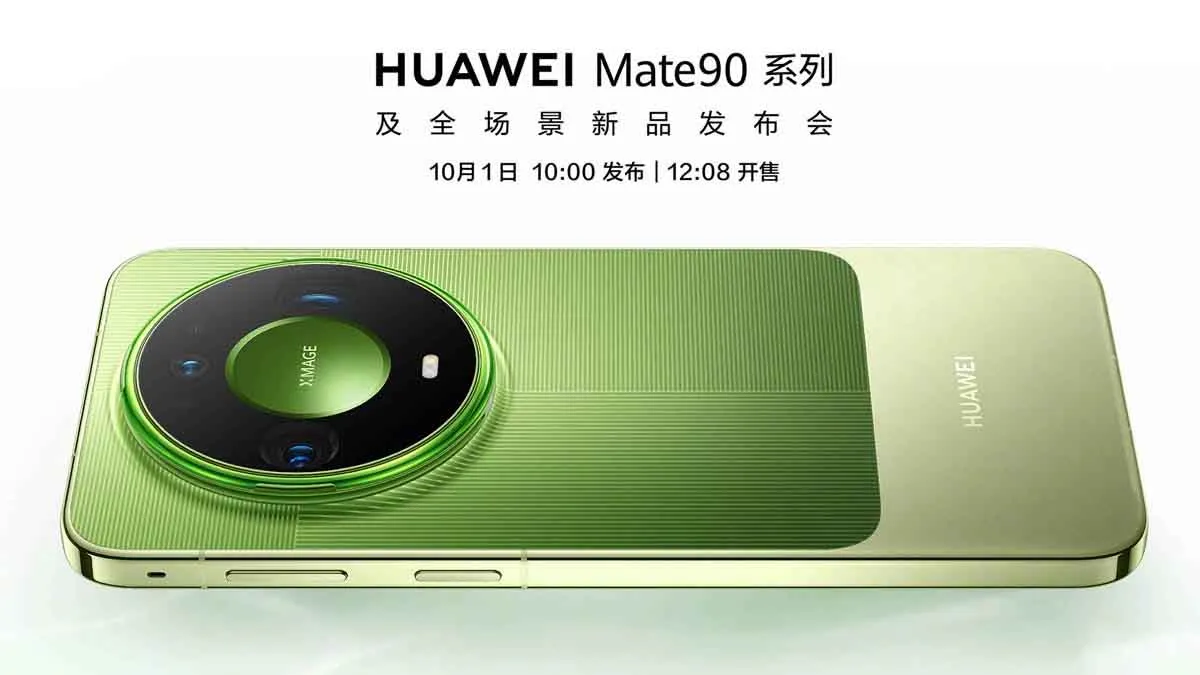
The rumored September releases include a range of phones that reportedly incorporate advanced camera systems and refined chipset performance. While specific model names remain unconfirmed by Huawei directly, industry speculation centers on devices aimed at both the premium and mid-range consumer bases including the Mate 90 series and new tri-fold devices.
Among the potential smartphone additions are models expected to feature significant upgrades in imaging capabilities. These new handsets are anticipated to leverage Huawei's proprietary camera technology, which remains a core pillar of its hardware strategy despite broader supply chain challenges.
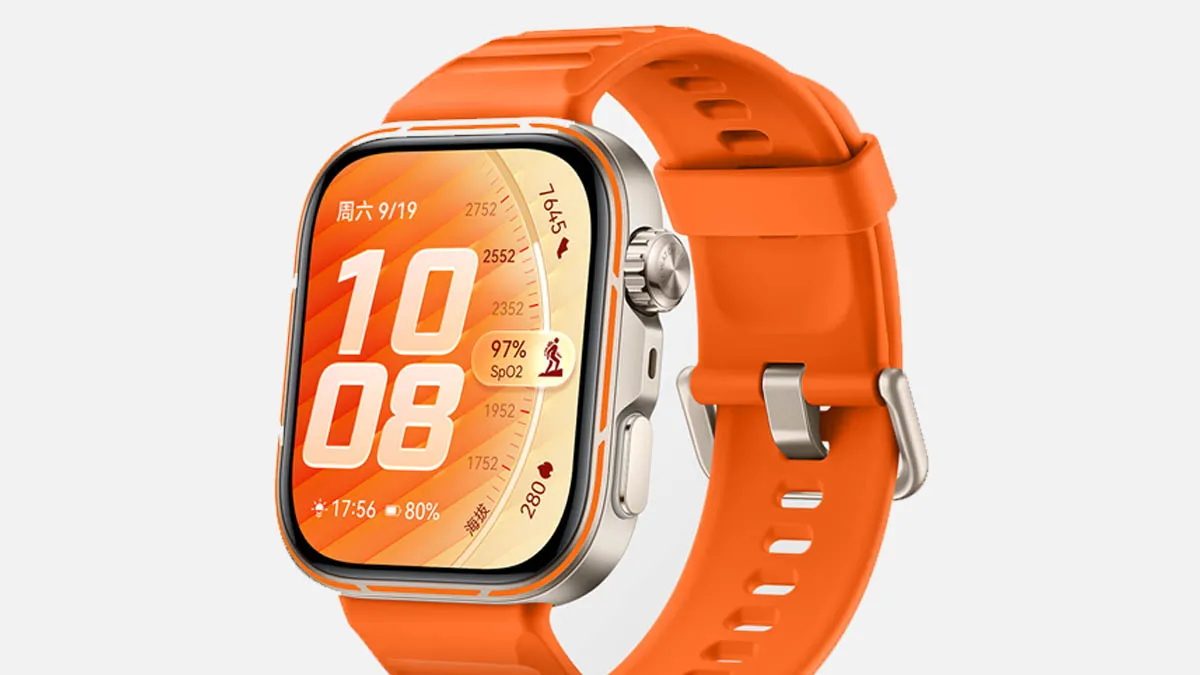
Furthermore, the wearable segment is slated for expansion. Several new smartwatches and fitness trackers are reportedly entering the development pipeline for this launch window. These wearables are expected to emphasize health monitoring features and extended battery life, aligning with evolving consumer demands for integrated personal tech solutions.
One key focus appears to be on balancing high-end specifications with market accessibility. By introducing devices across multiple price points, Huawei aims to broaden its user base while continuing to push technological boundaries in areas like display quality and processing power.
Market Positioning
The timing of this September launch is strategically significant within the competitive technology cycle. Following periods of intense scrutiny regarding trade relations and component sourcing, these new releases represent a concerted effort to demonstrate ongoing product vitality and market relevance.
Huawei has consistently prioritized software optimization alongside hardware development. The upcoming devices are expected to showcase improvements in its operating system experience, further integrating its proprietary services with the physical hardware. This holistic approach is central to Huawei's long-term business model.
The wearable releases specifically target users interested in proactive health management. These smart devices are not merely tracking steps; they are reportedly incorporating more sophisticated biometric sensors designed for deeper physiological insights, positioning them against established industry leaders.
Analysts suggest that the success of this September unveiling will depend heavily on how effectively Huawei manages its supply chain constraints while delivering on promised feature parity or superiority. The market reaction to these new phones and wearables will serve as a critical barometer for the company's near-term recovery trajectory within the global tech ecosystem.