🎙 Listen to a summary of this story
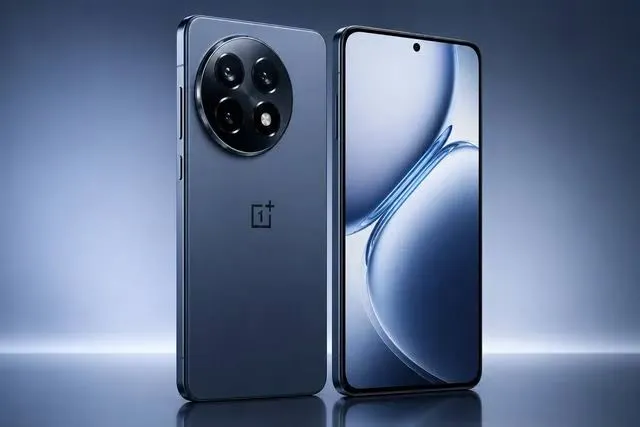
OnePlus 16 is slated to feature a custom display upgrade, potentially marking a significant leap in mobile screen technology for the device.
Display Innovation Drives OnePlus 16 Upgrade
Reports indicate that the forthcoming OnePlus 16 will incorporate a proprietary display solution engineered specifically for the handset. This integration suggests a focus on optimizing visual performance beyond standard industry benchmarks. The customized nature of this component implies deep collaboration between OnePlus and its display partners to meet specific design and functional requirements.
The strategic importance of this screen upgrade lies in addressing evolving consumer demands for superior viewing experiences, particularly concerning color accuracy and refresh rate capabilities. While detailed specifications remain under wraps, the emphasis on a "major" upgrade positions the OnePlus 16 against increasingly sophisticated competitors in the premium smartphone segment.
Industry analysts suggest that such bespoke display tuning often translates into enhanced power efficiency alongside graphical fidelity. If successful, this custom panel could provide a unique selling proposition for the device, differentiating it within a crowded market landscape dominated by standardized OLED or AMOLED panels. The development cycle surrounding this component is reportedly advanced, indicating a readiness for integration ahead of final hardware reveals.
This move aligns with broader trends in high-end smartphone manufacturing where core components are increasingly tailored rather than off-the-shelf sourced. By controlling the display stack intimately, OnePlus gains granular control over the entire user interface presentation, affecting everything from touch responsiveness to visual gamut coverage.
Technical Specifications and Market Implications
The implications of a custom screen extend beyond mere aesthetics; they touch upon chipset integration and battery management. A highly optimized display can reduce thermal output while maintaining high brightness levels, which is critical for sustained performance in intensive mobile gaming or video consumption scenarios. The sourcing of such specialized panels usually involves partnerships with leading Asian display manufacturers, though the specific supplier remains unconfirmed.
The launch of the OnePlus 16 carries weight as it represents a significant iteration within the brand’s premium lineup. Any substantial hardware improvement, especially concerning the primary visual interface, generates considerable pre-launch buzz among technology enthusiasts and reviewers globally. The market will be closely scrutinizing whether this custom display delivers tangible, measurable improvements over previous iterations.
For consumers, a superior screen translates directly into improved daily utility—sharper text, richer media colors, and smoother motion handling during scrolling or app navigation. This focus on foundational hardware quality underscores OnePlus’s commitment to engineering excellence rather than simply relying on iterative design changes.
Further technical deep dives are anticipated as the device nears its official unveiling. The industry watches closely to ascertain if this custom display represents a marginal refinement or a genuine paradigm shift in how mid-to-high-tier smartphones approach visual presentation, making the OnePlus 16 a pivotal device to monitor in Q4 hardware releases.