🎙 Listen to a summary of this story
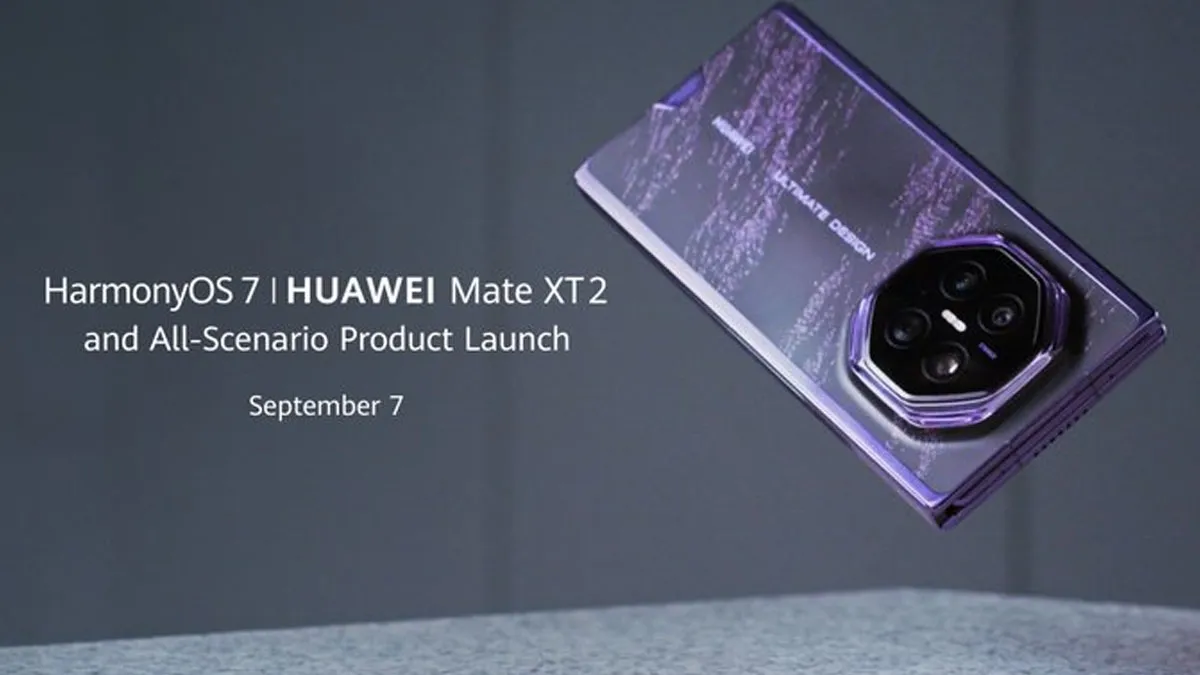
Huawei will unveil a slate of seven new devices during its September 7 event, signaling a strategic push across multiple consumer electronics segments in the coming weeks.
The company will use the event to showcase an expanded product roadmap, emphasizing advancements in chipset integration, camera technology, and battery efficiency across its refreshed lineup. These launches are positioned to counter competitive pressures within the highly saturated global smartphone and wearable markets.
The collection includes a range of smartphones, tablets, and wearables, suggesting a holistic approach to ecosystem expansion rather than focusing solely on flagship mobile units. Industry analysts suggest the focus on diverse categories indicates Huawei is aiming to capture market share across multiple consumer touchpoints simultaneously.
Specific attention will be drawn drawn to the new additions to the mid-range smartphone category, which are expected to offer significant hardware improvements at more accessible price points. These devices appear engineered to appeal to a broader demographic seeking premium features without the flagship price tag.
The event also highlights ongoing R&D in specialized components, reinforcing Huawei's commitment to vertical integration. This internal development capacity remains a core differentiator, allowing the company to customize performance metrics beyond standard industry benchmarks.
Flagship and Mid-Range Mobile Offerings
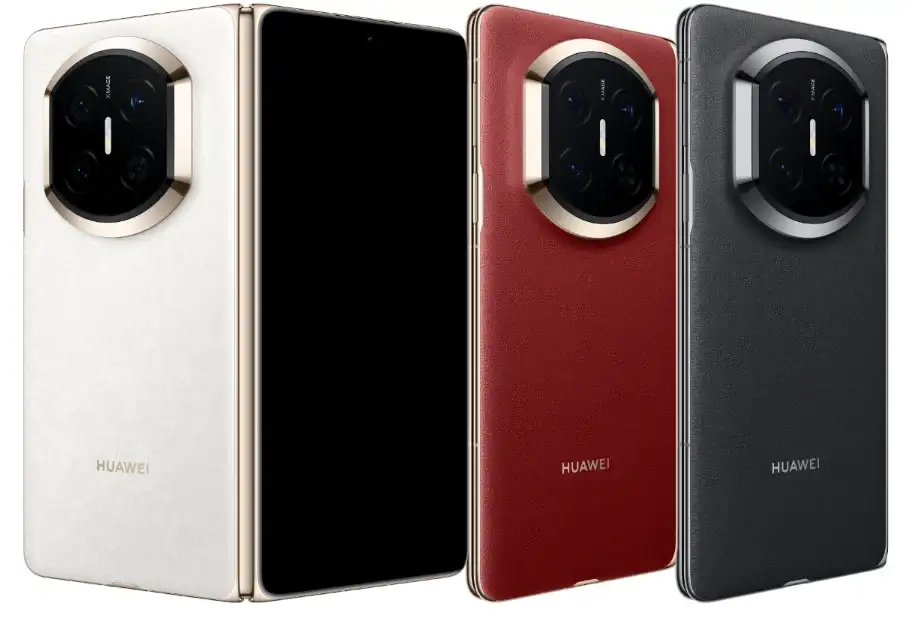
The core of the announcement centers on several new smartphone models, which represent distinct tiers within Huawei's portfolio. The high-end devices detailed are expected to incorporate the latest proprietary imaging sensors, promising superior low-light performance and computational photography capabilities. These flagships are intended to maintain Huawei's presence in the premium segment, competing directly with established market leaders.
Complementing the top-tier models, the mid-range devices feature optimized processors and enhanced battery life, addressing common consumer pain points regarding endurance and performance parity. The strategic positioning of these mid-tier units suggests a deliberate strategy to drive volume sales through accessible, feature-rich hardware.
Furthermore, the launch includes several tablet variants, indicating a renewed focus on the productivity and entertainment segments outside of the primary smartphone usage cycle. These tablets are being marketed with emphasis on display fidelity and integrated productivity software suites, aiming to serve both professional users and media consumers.
Details regarding the specific specifications for each of the seven devices remain under embargo for immediate release, but early briefings indicated strong emphasis on modular design elements in at least two of the new handsets. This modularity suggests potential future upgrade paths, a feature gaining traction among technically sophisticated consumers.
Wearables and Ecosystem Integration
Beyond mobile computing, the event will showcase several new wearables designed to deepen user engagement within the Huawei ecosystem. These devices span smartwatches and health trackers, focusing heavily on advanced biometric monitoring and seamless integration with the company's existing cloud services.
The wearable line appears engineered for proactive health management, incorporating more sophisticated sensors than previous iterations. This shift indicates a move toward positioning Huawei not merely as a hardware vendor, but as a comprehensive digital health partner for the end-user.
The synergy between the new mobile devices and the accompanying wearables is a key strategic takeaway. Huawei is reinforcing its closed-loop ecosystem strategy, where hardware performance, software integration, and data continuity are designed to function as a unified unit. This integration minimizes friction for users migrating within the brand's product family.
The rollout of these seven devices represents a calculated market maneuver. By simultaneously refreshing high-margin flagship lines while bolstering the volume-driving mid-range and specialized wearable sectors, Huawei is executing a balanced growth strategy for the remainder of the fiscal year.
The market's reception to the pricing structure and the actual performance benchmarks of these new devices will be crucial in determining the success of this coordinated launch effort.