🎙 Listen to a summary of this story
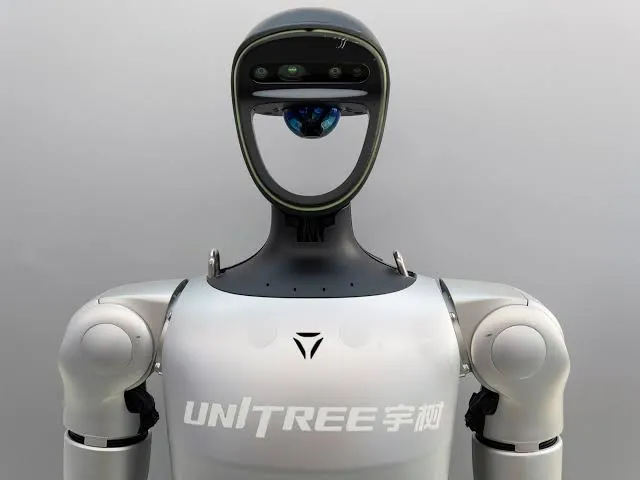
Hunan is aggressively accelerating its embodied AI industry development, signaling a major regional push into sophisticated, real-world artificial intelligence applications.
The high-level 12th Global Forum for Hunan Entrepreneurs and its parallel forum on intelligent robotics recently convened in the province, running from the 22 to 24 of September and intended to galvanize investment and collaboration across this burgeoning sector. The event underscored Hunan's strategic intent to establish itself as a key hub for hardware-software integration that powers physical AI systems.
Embodied AI, which merges advanced cognitive capabilities with tangible robotic or physical platforms, represents a critical frontier in modern technology. This focus indicates a shift away from purely digital AI models toward solutions capable of interacting meaningfully within complex physical environments.
Provincial Strategy and Industry Focus
The forum served as a platform to showcase the current ecosystem maturity in Hunan’s pursuit of embodied intelligence. Local enterprises are increasingly integrating advanced sensing, computation, and actuation technologies into unified product lines.
Officials emphasized that this drive is not merely about technological adoption but fundamentally concerns industrial upgrading across various traditional sectors within the province. The goal is to move from pilot projects to scalable, commercially viable deployments of intelligent machines.
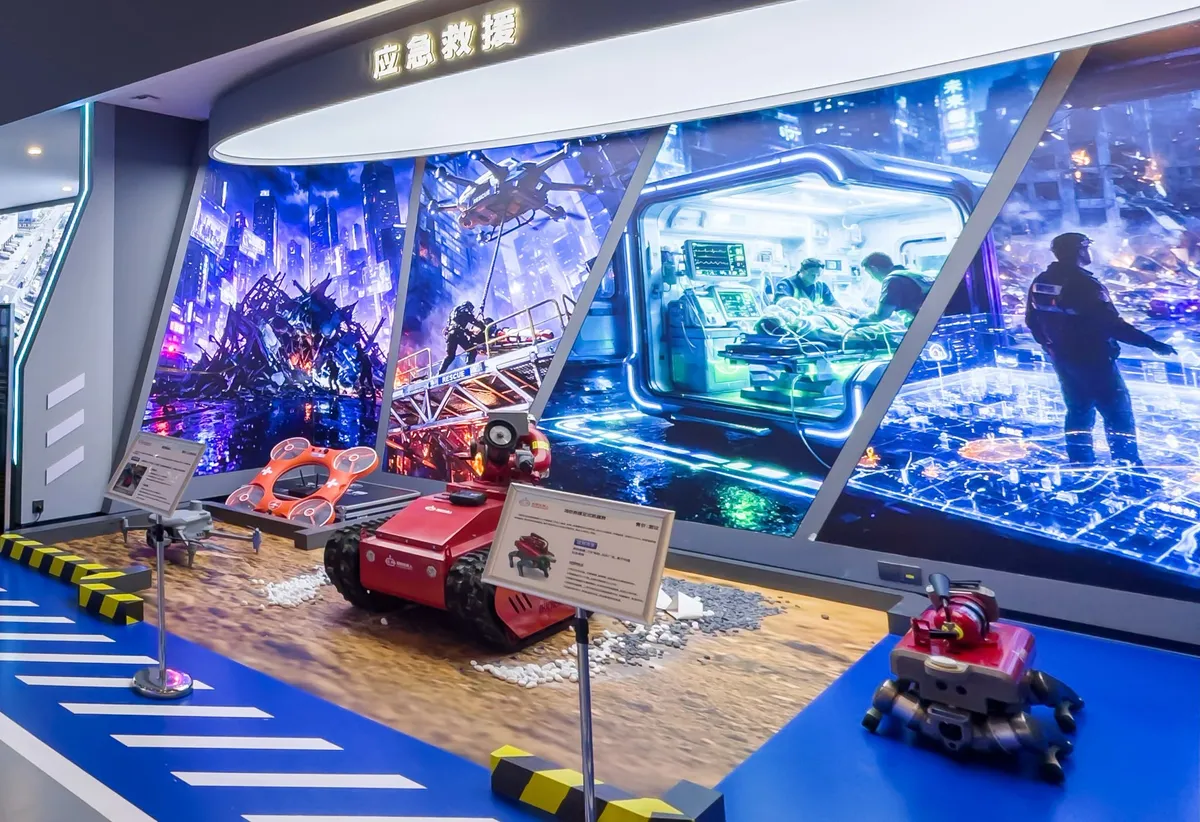
Specific attention was paid to cross-sector integration. Companies presented case studies demonstrating how embodied AI is being applied in logistics automation, precision manufacturing, and agricultural robotics—areas where physical interaction with the environment dictates success or failure.
Investment attraction remains a central pillar of Hunan's strategy. The province is actively seeking capital infusion into startups and established firms that possess demonstrable capabilities in areas such as dexterous manipulation, real-time environmental perception, and low-latency decision-making algorithms essential for embodied systems to function effectively.
The discourse highlighted the necessity of developing a robust talent pipeline. Skilled engineers proficient at the intersection of computer science, mechanical engineering, and electrical engineering are identified as the primary bottleneck hindering faster industry maturation.
Ecosystem Development and Future Trajectory
To foster this growth, stakeholders discussed establishing more intensive R&D clusters dedicated specifically to embodied AI research. These clusters aim to create concentrated environments where academic breakthroughs can rapidly transition into industrial prototypes.
Partnerships between provincial universities and private technology firms were presented as a model for accelerated innovation cycles. This collaborative structure is designed to de-risk early-stage development while ensuring market relevance from the outset.
The long-term trajectory outlined by industry leaders points toward significant integration with smart infrastructure projects across China. Embodied AI systems are viewed not just as standalone products but as essential components of a larger, intelligent provincial operating system.
Furthermore, regulatory support is being discussed to streamline the testing and deployment processes for these novel physical AI agents. Navigating the regulatory landscape for robots operating in public or industrial spaces requires tailored policy frameworks.
This concerted effort positions Hunan to capture substantial market share in the rapidly evolving global embodied AI landscape, moving from a regional participant to a recognized contributor to foundational hardware intelligence.