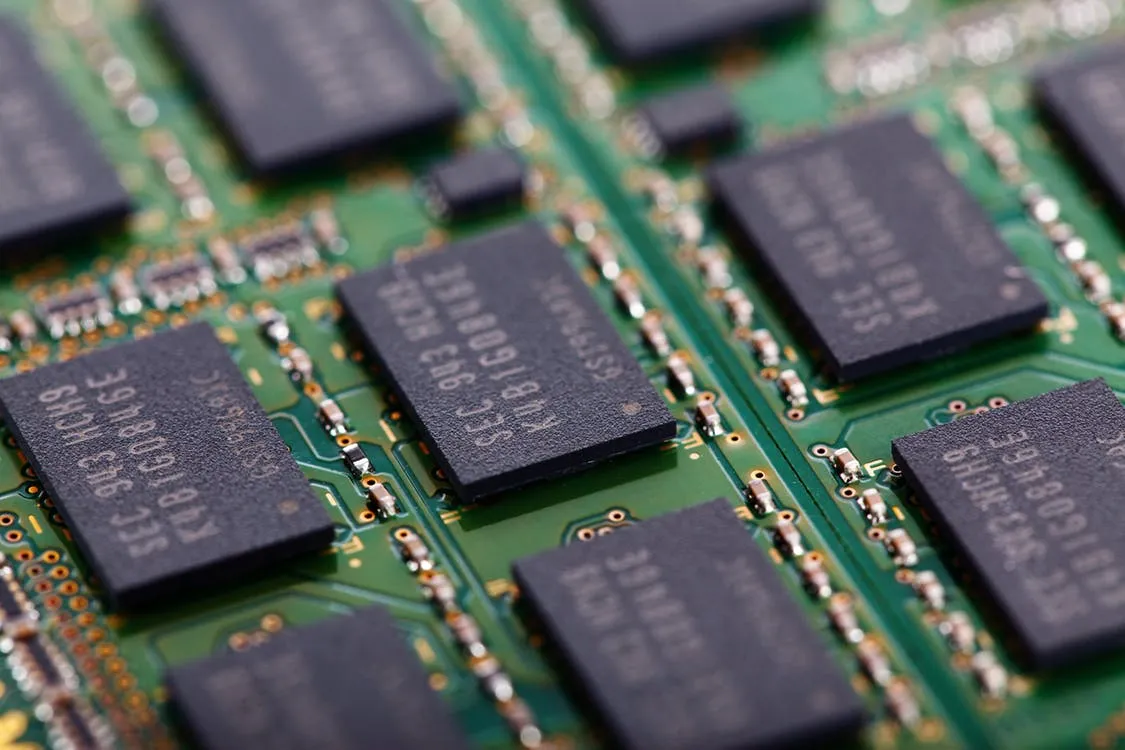
Rising memory component prices are poised to significantly increase smartphone costs across global markets, industry analysts warn. Huawei has cautioned that escalating expenses for critical semiconductor components like DRAM and NAND flash will inevitably translate into higher retail pricing for consumers worldwide.
The Semiconductor Pressure Point
The current inflationary pressure on memory chips is driven by a confluence of factors: sustained high consumer demand, increased manufacturing complexity, and global supply chain bottlenecks. Memory units are no longer mere add-ons; they are foundational components dictating the performance ceiling of any modern smartphone.
Specifically, Dynamic Random-Access Memory (DRAM) and NAND flash memory remain among the most volatile inputs in the consumer electronics sector. These chips manage everything from operating system function to data storage capacity. When costs for these specialized semiconductors rise sharply, manufacturers face immediate cost inflation that cannot easily be absorbed by profit margins alone.
According to reports analyzing global supply trends, the demand surge stemming from AI integration and advanced computational features within mobile devices has pushed pricing metrics far above historical averages. This structural shift means that even highly efficient manufacturing processes struggle to mitigate the impact of ballooning component costs. Manufacturers must now budget for memory modules as a primary variable cost determinant.
The ramifications extend beyond simple unit price increases. Higher memory costs can also force manufacturers into strategic design compromises, potentially limiting flagship features or reducing overall device customization options until supply stabilizes.
Implications for Manufacturers and Consumers
For Original Equipment Manufacturers (OEMs), the challenge is twofold: maintaining profitability while managing consumer expectations regarding pricing. Simply passing on 100% of component cost increases risks eroding market share, particularly in price-sensitive emerging economies.
Industry experts suggest that manufacturers must pivot toward a focus on system efficiency rather than just raw specification boosts. This includes optimizing chip architecture and implementing advanced power management features to ensure devices deliver premium performance with optimized memory usage. The goal becomes maximizing the perceived value while minimizing the physical component cost increase.
Furthermore, supply chain diversification is becoming an acute strategic priority. Relying heavily on specific geographic or singular suppliers for high-volume components introduces unacceptable levels of risk when prices spike unexpectedly. Manufacturers are actively exploring partnerships and alternative sourcing models to buffer against geopolitical or commodity shocks in the semiconductor market.
Consumers should anticipate a more segmented market going forward. Instead of broad, linear price increases across all tiers, the market may see greater differentiation: flagship devices incorporating cutting-edge memory will bear the steepest cost increase, while mid-range models might see optimization efforts to maintain affordability through software and design efficiency.
Ultimately, the semiconductor component remains the central determinant of smartphone value. Until stability returns to global memory supply chains and pricing mechanisms normalize, industry stakeholders must prepare for a sustained period where device costs are tightly correlated with the volatile price indexes of DRAM and NAND flash components.