
Nvidia pushes Vera into China
Nvidia is making a renewed push into China’s artificial intelligence market, pitching its new Vera central processing unit to Chinese customers as U.S. export controls continue to limit sales of its more advanced AI chips. The effort, outlined in a TechStory report published Monday, comes as the company tries to preserve a foothold in one of the world’s most important technology markets while navigating pressure from both Washington and Beijing.
The company has told Chinese clients that Vera processors for AI data centers could be available as soon as August and that customers can begin placing orders, Reuters reported, citing three people familiar with the discussions. At least one large Chinese cloud company is considering an order of more than 300 servers, each with two Vera CPUs, for testing before deciding whether to expand deployment.
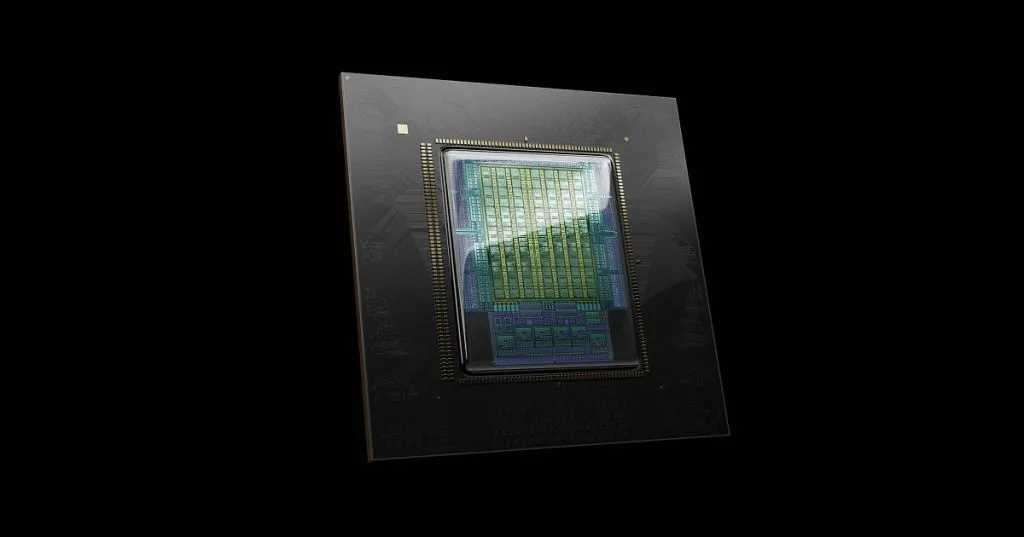
Vera is not a graphics processor, the type of accelerator that made Nvidia the dominant supplier of chips for training and running AI models. Instead, it is a server CPU designed to coordinate the data movement, software execution and system orchestration that increasingly surround AI workloads. Nvidia says Vera is built for “agentic AI,” a term for systems that can plan, use tools and complete tasks with less human direction.
The distinction matters. U.S. rules have sharply restricted Nvidia’s ability to ship its highest-end AI accelerators to China, while CPUs generally face fewer restrictions. Nvidia says Vera is in full production and can complete some agentic workloads 1.8 times faster than comparable x86 processors. The company has positioned the chip as part of a wider AI factory strategy, not merely as a substitute for banned GPUs.
Controls and competition shape the market
Nvidia’s China strategy remains politically fragile. The U.S. Commerce Department in January said it would review export license applications for the Nvidia H200, AMD MI325X and similar chips on a case-by-case basis, provided security conditions are met. The rule underscored Washington’s effort to preserve American technology leadership while limiting China’s access to the most sensitive computing systems.
Even approvals from Washington may not be enough. Reuters reported that Nvidia’s H200 shipments to China have stalled for months, despite U.S. movement toward allowing sales to approved customers. Nvidia CEO Jensen Huang has said the company’s China market share has effectively fallen to zero, hurt by U.S. export curbs and Beijing’s push to support domestic chipmakers.
That leaves Vera as both an opening and a test. Chinese cloud providers need more computing infrastructure as AI demand grows, but they also face political pressure to reduce reliance on foreign chips. Nvidia faces competition from Intel and AMD in server CPUs and from Chinese firms seeking to build alternatives across the AI stack.
For Nvidia, the pitch is clear: Even if its most powerful GPUs remain constrained, the company can still sell pieces of the AI data center. For China, the question is whether buying Vera advances its AI ambitions or deepens dependence on a U.S. supplier at a moment when technology has become a central front in the rivalry between the world’s two largest economies.


