🎙 Listen to a summary of this story
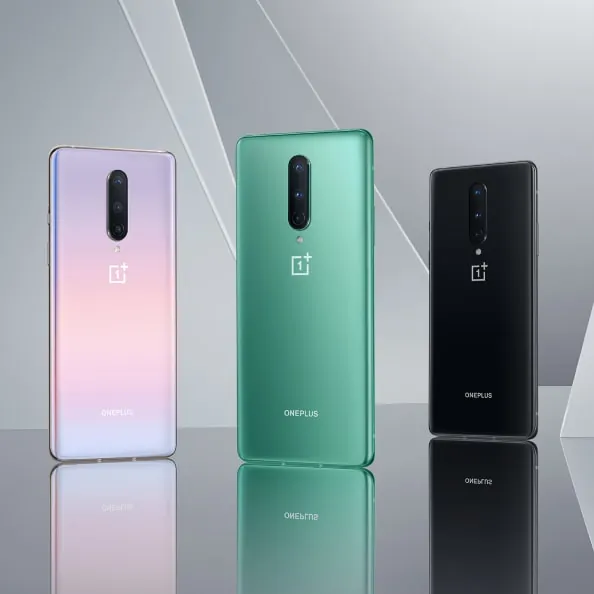
OnePlus has removed its product listings from its official US website, signaling a definitive and accelerating exit from the American consumer market.
This strategic withdrawal marks a significant operational reduction for the Chinese technology giant in the highly competitive North American sector, confirming market contraction plans previously hinted at by corporate announcements.
The removal of inventory and product pages indicates a shift from maintaining a transactional presence to minimizing overhead in the US, a move that reflects the intensifying pressures on non-domestic tech brands navigating US regulatory and competitive landscapes.
Market Contraction and Commercial Dynamics
The decision to streamline the US footprint is rooted in a broader recalibration of OnePlus’s global sales strategy. Instead of maintaining a full-scale retail and digital presence, the company appears to be prioritizing core markets while shedding high-cost, low-yield territories.
While specific financial data regarding the US operation's profitability is not immediately public, the action suggests that the operational costs associated with maintaining local marketing, logistics, and customer service outweighed the revenue generated in the current environment. This mirrors trends seen across several international hardware manufacturers.
The focus appears to be shifting toward optimizing supply chains and concentrating efforts where brand loyalty and market penetration remain robust, effectively pruning the portfolio to ensure sustainable growth rather than broad geographic coverage.
Broader Industry and Market Implications
This localized retreat by OnePlus is symptomatic of a wider trend affecting Chinese technology firms operating in Western markets. Geopolitical tensions, coupled with heightened scrutiny over data security and supply chain resilience, are creating an unpredictable operational environment.
The US market, once a crucial growth engine for Chinese hardware brands, is becoming increasingly difficult to penetrate without navigating complex trade policies and localized consumer preference shifts. The action serves as a clear signal that market access is conditional, not guaranteed.
For competitors, this withdrawal creates immediate vacuums in the mid-to-high-end smartphone segment. Analysts view this not merely as a business failure, but as a tactical adjustment in a marketplace where national strategic interests increasingly intersect with consumer electronics sales.