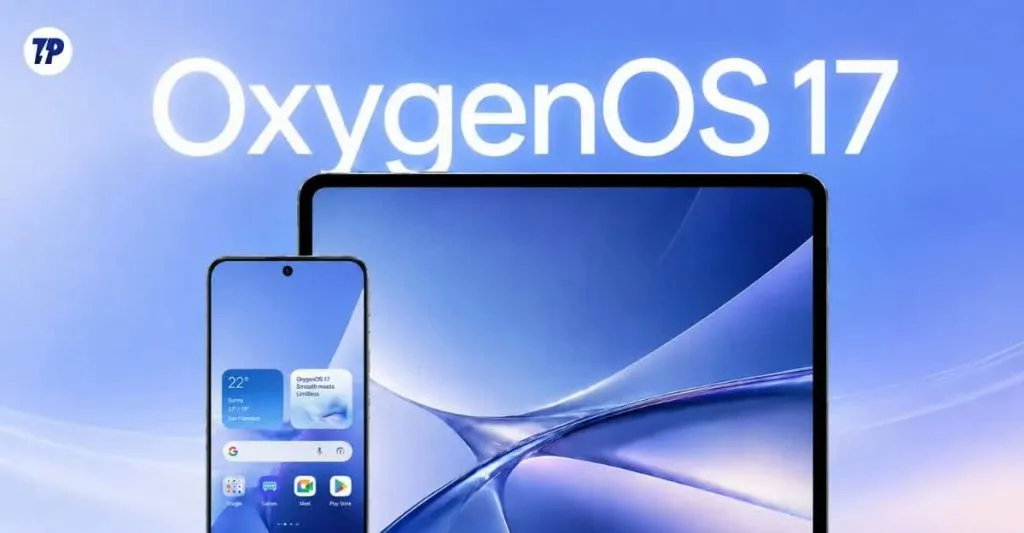
OxygenOS and Realme UI are officially retiring, mandating that all future OnePlus and Realme devices operate on ColorOS starting with upcoming software updates.
Platform Consolidation
Chinese tech publications confirm the strategic pivot, signaling a significant consolidation of user interface platforms within the brands’ ecosystem. This move effectively ends the independent development track for OxygenOS, which has long served as OnePlus's primary operating system skin based on Android.
The decision mandates that both OnePlus and Realme devices will transition to running ColorOS moving forward. This standardization effort suggests a push toward unified software experience across the parent company’s hardware lines, streamlining development resources and potentially simplifying the overall user journey for consumers.
Realme UI, another distinct skin previously utilized by Realme devices, is also slated for discontinuation alongside OxygenOS. The adoption of ColorOS implies that this specific interface will become the singular software foundation underpinning the next generation of hardware from both manufacturers under their respective brands.
Analysts suggest this consolidation mirrors broader industry trends where OEMs seek to reduce fragmentation and optimize resource allocation by aligning disparate software experiences onto a single, optimized base. For OnePlus users accustomed to the distinct feel of OxygenOS, this represents a notable shift in brand identity presentation within the mobile sector.
Implications for Users and Development
The transition carries specific implications for existing hardware owners and future purchasers alike. While the core Android functionality remains intact, the visual language, feature sets, and underlying customizations delivered by OxygenOS and Realme UI will be replaced by ColorOS’s design philosophy.
This change is not merely cosmetic; it affects how system functions are managed and how the user interacts with device-specific features. The shift to ColorOS means that the specific optimizations and proprietary additions historically associated with the previous skins will either be integrated into ColorOS or retired entirely.
The transition timeline involves upcoming software updates for current devices, ensuring a phased rollout rather than an immediate hard cutoff. This grace period allows users time to adjust to the new interface paradigm while manufacturers manage the large-scale migration of user profiles and settings across different software architectures.
Ultimately, the discontinuation of these distinct skins positions ColorOS as the centralized software anchor for both OnePlus and Realme going forward, marking a definitive evolution in their mobile product strategy.