🎙 Listen to a summary of this story
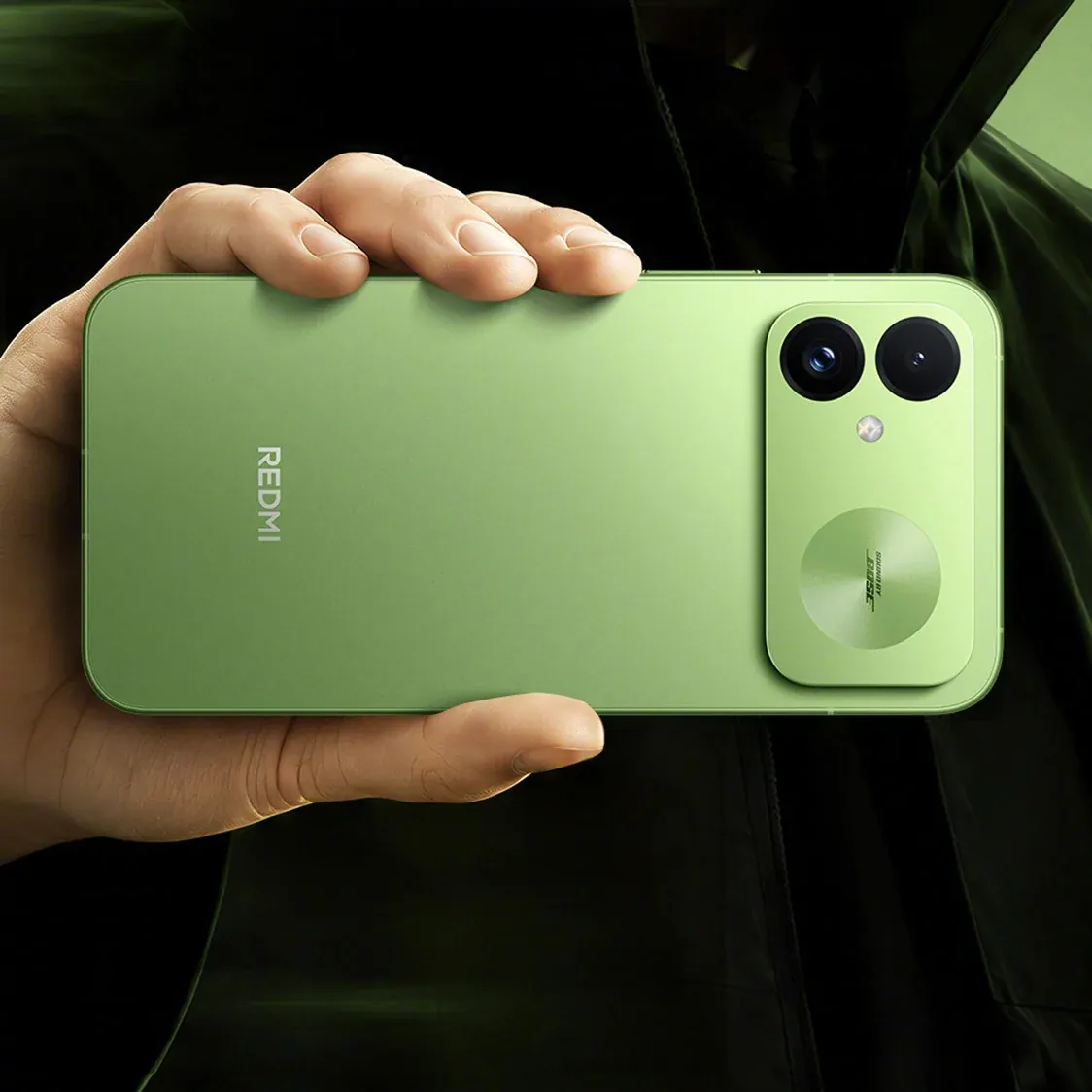
The Redmi K100 is slated to debut running HyperOS 4, signaling a significant software upgrade for the anticipated device. This new iteration will feature a substantial 50MP flagship camera system and incorporate enhanced gaming-centric functionalities, positioning it strongly in the competitive mid-to-high-end market segment.
The integration of HyperOS 4 suggests Xiaomi's continued push to unify its ecosystem experience across various hardware tiers. For users prioritizing mobile gaming performance alongside advanced photography capabilities, the K100 represents a direct response to consumer demand for feature density without moving into ultra-premium pricing brackets. The device’s configuration targets substantial performance gains while maintaining Redmi's accessibility ethos.
This launch timing is critical as it coincides with intensifying global competition among Android manufacturers regarding software optimization and chipset efficiency, making the K100 a key barometer for Xiaomi's near-term strategic direction in emerging markets.
Technical Specifications and Feature Deep Dive
Technically, the Redmi K100 is expected to leverage hardware designed for sustained high performance, particularly noted by its gaming focus. While specific chipset details remain under wraps pending official confirmation, the commitment to advanced cooling solutions and optimized power delivery is implied by the device's positioning.
The 50MP camera system represents a significant step up from previous budget-conscious Redmi models, suggesting hardware partnerships capable of delivering flagship-level computational photography. This upgrade is not merely about megapixel count but concerns sensor optimization, image processing algorithms baked into HyperOS 4, and enhanced low-light capture capabilities.
Furthermore, the gaming features are reportedly deep-seated within the operating system layer, implying specialized modes that manage frame rates, input latency, and thermal throttling proactively. This focus indicates a shift from merely housing powerful components to actively managing the user experience during intensive computational loads.
Market Implications and Industry Positioning
The Redmi K100's introduction into the market reflects Xiaomi’s strategy of using its sub-brand portfolio to capture volume while simultaneously showcasing technological parity with premium rivals. By embedding flagship camera and gaming DNA into a more accessible chassis, they broaden their addressable market significantly.
From a geopolitical standpoint, the continuous rollout of aggressively specified devices like the K100 underscores China's sustained dominance in high-volume mobile hardware production. These releases drive global benchmarks for what consumers expect from mid-range smartphones, forcing competitors to react swiftly on price and feature parity.
Ultimately, the success of the Redmi K100 will hinge on how effectively HyperOS 4 translates its promised features—especially camera performance and gaming stability—into tangible user benefits. For analysts tracking regional smartphone adoption trends, this device serves as a crucial case study in value-driven technological escalation.