Robbyant's LingBot-VLA 2.0 Challenge culminated in a rigorous 48-hour real-robot final, marking a critical inflection point in the validation of embodied artificial intelligence systems. The competition tested the platform's ability to execute complex, multi-step tasks within an unstructured, dynamic physical environment, moving the conversation decisively from simulated benchmarks to demonstrable real-world utility.
The successful completion of this extended physical trial underscores the rapid convergence between large-scale language models and robust motor control systems. For industry observers, the results signal that the bottleneck in deploying advanced AI is shifting away from algorithmic capability toward the engineering challenge of reliable, long-duration physical interaction.
This final phase of the LingBot-VLA 2.0 Challenge served as a definitive stress test, assessing not just task completion rate, but the system's resilience to environmental noise, unpredictable object placement, and cumulative operational fatigue over two full days of continuous operation.
Technical Architecture and Performance Metrics
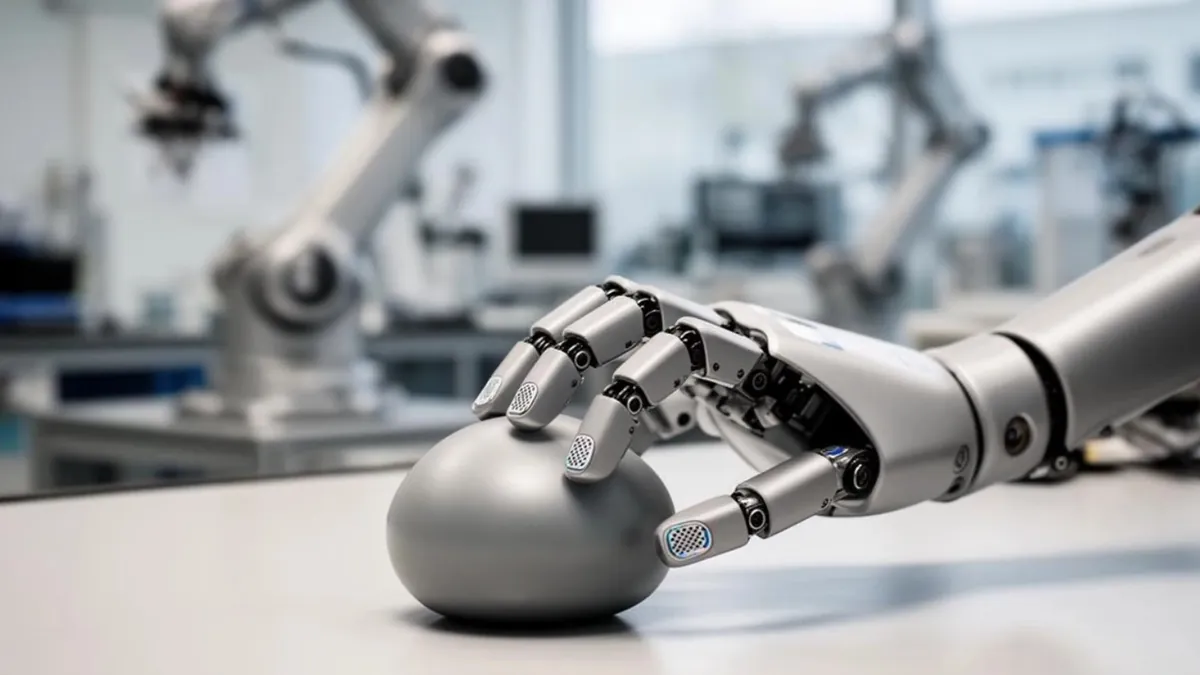
LingBot-VLA 2.0 integrates a sophisticated Vision-Language-Action (VLA) architecture, allowing the robot to interpret high-level natural language commands and translate them into precise, low-level robotic actions. The system leverages advanced perception stacks to maintain situational awareness even when visual data is partially occluded or degraded by ambient light changes inherent in the challenge arena.
The hardware configuration supporting this AI is substantial, necessitating high-throughput processing units capable of managing concurrent sensor inputs—including LiDAR, depth cameras, and tactile feedback—while maintaining near real-time decision latency. The performance metrics tracked during the challenge focused heavily on task success rate, energy efficiency across diverse operational modes, and the minimal intervention required from human supervisors.
Industry Implications and Geopolitical Trajectories
The progression demonstrated by LingBot-VLA 2.0 places Robbyant at the forefront of the global race for embodied AI supremacy. The ability to reliably transition advanced generative AI models into functional, physical agents carries profound implications for automation across logistics, manufacturing, and domestic service sectors.
Market analysts view these results as a significant indicator of how hardware providers are rapidly catching up to the software innovation curve. The viability of these platforms suggests a near-term shift in industrial investment toward robotic systems capable of handling cognitive complexity rather than merely repetitive motion.
Furthermore, the success of this platform contributes to the broader geopolitical competition in advanced manufacturing and AI sovereignty. As nations compete to automate their supply chains, the capability demonstrated by LingBot-VLA 2.0 represents a tangible technological advantage in the race for autonomous economic infrastructure.