🎙 Listen to a summary of this story
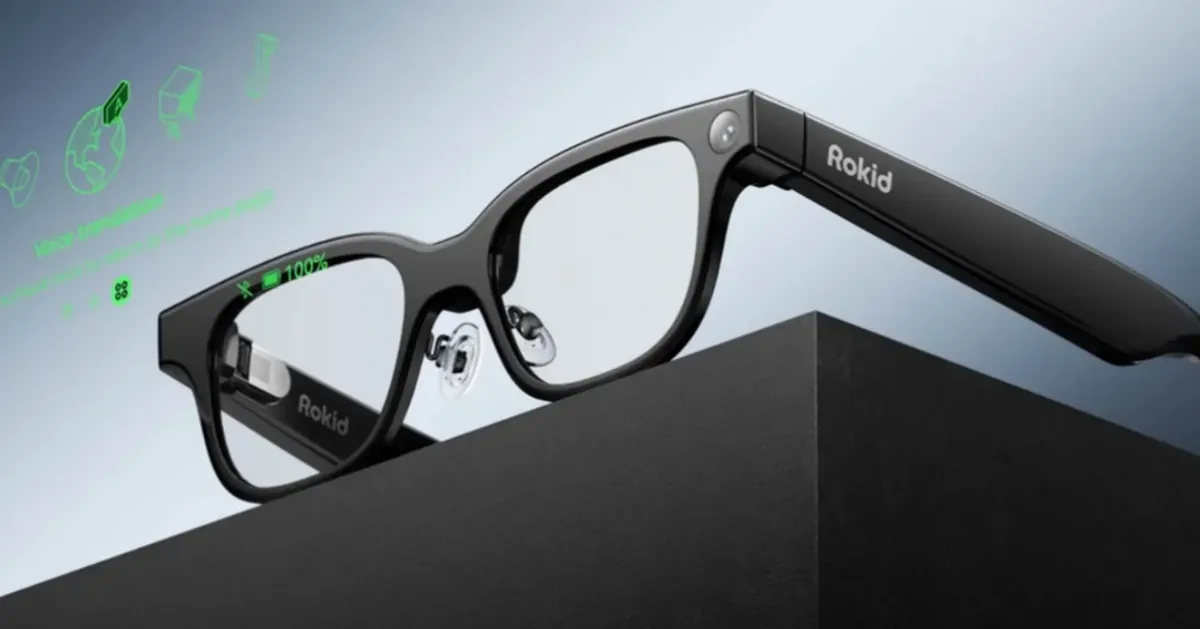
Rokid and Tencent Mobility have integrated native voice ride-hailing functionality directly into AI glasses through a sophisticated agent-to-agent (A2A) linking mechanism. This integration marks a significant step toward ambient, context-aware computing, allowing users to summon transportation using only spoken commands while wearing smart eyewear.
The partnership leverages Rokid's wearable hardware platform and Tencent Mobility’s extensive ride-hailing infrastructure. By establishing a direct communication link between the AI agent running on the glasses and the mobility service backend, the system bypasses traditional multi-step app interactions, fundamentally altering how users interface with real-world services through augmented reality.
This capability signals a maturing trend in spatial computing where the hardware acts less as a screen replacement and more as an intelligent middleware layer, translating natural language intent into actionable backend service calls instantaneously. The immediate implication is frictionless utility delivery within the wearable ecosystem.
Technical Architecture of Ambient Service Orchestration
The core innovation resides in the Agent-to-Agent communication protocol facilitating this seamless handoff. Instead of relying on a centralized mobile application intermediary, the AI agent embedded within the Rokid glasses communicates directly with the Tencent Mobility service agent. This direct linkage allows for low-latency processing of voice commands, crucial for time-sensitive tasks like hailing a ride.
Technically, this setup requires robust natural language understanding (NLU) capabilities on the edge device—the AI glasses—to accurately parse complex, spoken requests regarding pickup locations and destinations. This parsed intent is then packaged into a standardized message format consumable by Tencent’s established mobility APIs, effectively bridging conversational AI with commercial logistics.
From a hardware perspective, Rokid provides the sophisticated optical and audio capture capabilities necessary to maintain contextual awareness while wearing the device. The successful deployment proves that advanced, real-time service orchestration can be managed entirely within lightweight wearable form factors without sacrificing critical operational reliability.
Industry Implications for Wearable Commerce
This A2A integration is a microcosm of the broader shift toward 'invisible computing,' where technology fades into the background to facilitate human action. For the augmented reality and smart glasses market, this moves the conversation beyond simple data display toward genuine transactional utility.
The strategic importance for Tencent lies in expanding its service moat by embedding mobility directly into the next generation of personal compute devices. Rokid gains a powerful demonstration of use-case viability, proving that their hardware is capable of serving as an active endpoint for complex commercial services rather than just a passive display.
Geopolitically and commercially, this signals intense competition in China's tech sector to dominate the next compute layer. Success in embedding core utilities like ride-hailing directly into AR glasses dictates market leadership for future platform ecosystems, setting a high bar for other hardware providers aiming to capture the attention economy.