🎙 Listen to a summary of this story
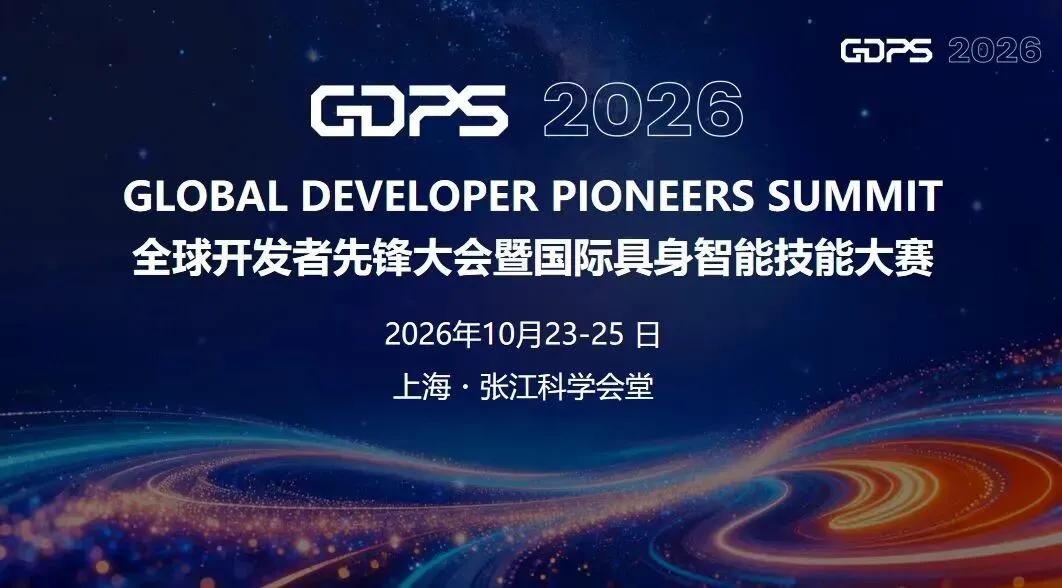
A major embedded intelligence skills competition will take place in Shanghai, signaling a significant push by Chinese industry to elevate the capabilities of its next generation of AI engineers. The 2026 Global Developer Pioneers Summit will be hosting an opening event for the International Embodied Intelligence Competition to demonstrate real-world applications for embedded AI.
The event is structured to test practical expertise across critical domains of edge computing and real-time data processing, moving beyond theoretical knowledge into demonstrable engineering competence. This focus aligns directly with national strategies aimed at achieving self-sufficiency and global leadership in intelligent embedded systems, a cornerstone of modern industrial automation and smart infrastructure.
Industry participants anticipate the competition will serve as both an advanced recruitment platform and a critical benchmark for current technological readiness within China's rapidly evolving IoT ecosystem. The stakes are high, as mastery in these specific skills dictates success in sectors ranging from autonomous vehicles to sophisticated medical devices.
Technical Scope and Competitive Dynamics
The competition demands proficiency in integrating complex software stacks onto resource-constrained hardware platforms. Participants must demonstrate expertise not merely in coding algorithms but in optimizing them for deployment on embedded systems, managing power consumption while maintaining high inference speeds.
Specific technical challenges reportedly involve deploying sophisticated deep learning models—such as advanced computer vision or predictive maintenance algorithms—onto low-power microcontrollers and System-on-Chips (SoCs). This necessitates a profound understanding of quantization, model pruning, and efficient kernel execution environments common in edge AI deployments.
Furthermore, the judging criteria will likely emphasize robustness under real-world operational stress. Success is not defined by achieving peak theoretical accuracy but by maintaining acceptable performance metrics within tight latency budgets characteristic of mission-critical embedded applications. The integration of hardware accelerators into the solution architecture is also a key expected deliverable.
Broader Industry and Geopolitical Implications
The emphasis on embedded intelligence skills reflects China's strategic pivot toward mastering the entire AI value chain, not just model training. By focusing talent development at the deployment edge, the nation seeks to control the operational layer of its burgeoning smart manufacturing and urban technology sectors.
Geopolitically, this intense focus on domestic capability directly addresses supply chain vulnerabilities. Developing a deep pool of engineers capable of optimizing proprietary hardware for specific AI workloads reduces reliance on imported solutions, bolstering national technological sovereignty.
Market implications suggest an accelerated maturation curve for Chinese embedded hardware manufacturers. The demand generated by such high-level competitions forces component vendors and solution providers to rapidly innovate in areas like low-power computing architectures and specialized AI co-processors.