🎙 Listen to a summary of this story
Sumitomo Bakelite is significantly boosting its chip packaging materials output in China, directly capitalizing on the escalating demand driven by the global artificial intelligence boom.
This strategic expansion signals a critical shift in the supply chain dynamics for advanced semiconductor manufacturing, as high-performance AI accelerators require increasingly sophisticated and reliable substrate materials to function optimally. The Japanese firm's increased capacity addresses bottlenecks in specialized packaging components essential for next-generation computing hardware.
The move underscores the intense global competition for materials capable of handling the extreme thermal and electrical demands imposed by large language models and high-density AI processing units, positioning Sumitomo Bakelite as a key enabler in China’s semiconductor self-sufficiency drive.
Technical Deep Dive into Packaging Advancement
The packaging materials provided by Sumitomo Bakelite are crucial for integrating complex silicon dies within advanced electronic modules. These substrates must manage intense heat dissipation while maintaining signal integrity across numerous high-speed interconnects—a non-negotiable requirement for AI workloads.
The company's expansion focuses on enhancing the properties of its baked epoxy resins and laminate materials, which form the foundational layer upon which intricate circuitry is built. These materials are engineered to reduce parasitic inductance and capacitance, allowing faster data transfer rates necessary for training massive neural networks.
Commercial dynamics suggest that while geopolitical tensions create supply chain volatility, the underlying technological requirements of AI hardware—specifically thermal management and ultra-fine pitch interconnectivity—provide a durable floor for demand growth in these specialized chemical components.
Broader Market and Geopolitical Implications
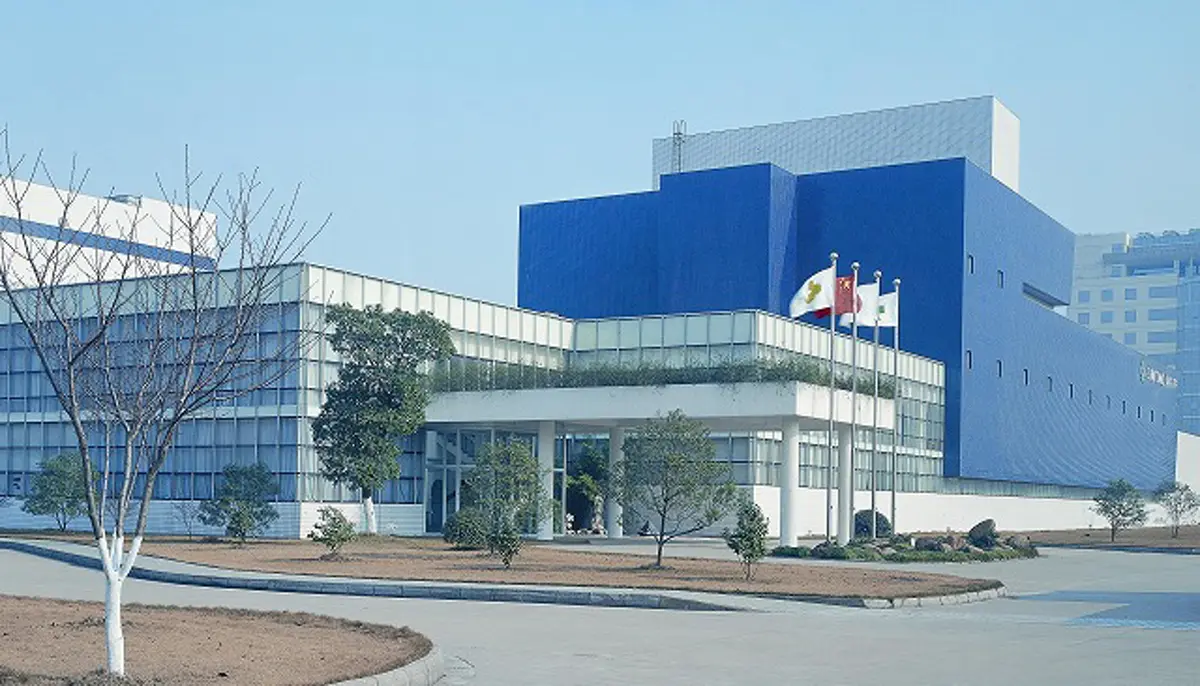
This localized manufacturing ramp-up within China reflects a broader trend where global technology leaders are diversifying or securing critical component production closer to end-user markets. For Sumitomo Bakelite, this solidifies its strategic foothold in the massive Chinese electronics ecosystem.
From a geopolitical standpoint, strengthening domestic capacity for advanced packaging materials mitigates risks associated with single-source dependencies on Western suppliers, aligning perfectly with Beijing’s industrial policy goals. It represents technological localization at a critical component level.
The sustained investment by Japanese firms like Sumitomo Bakelite into Chinese production facilities confirms that while trade tensions persist, the sheer technical necessity of their high-value materials outweighs short-term tariff concerns. The AI revolution is not just driving demand; it is dictating where and how foundational manufacturing capacity must reside globally.