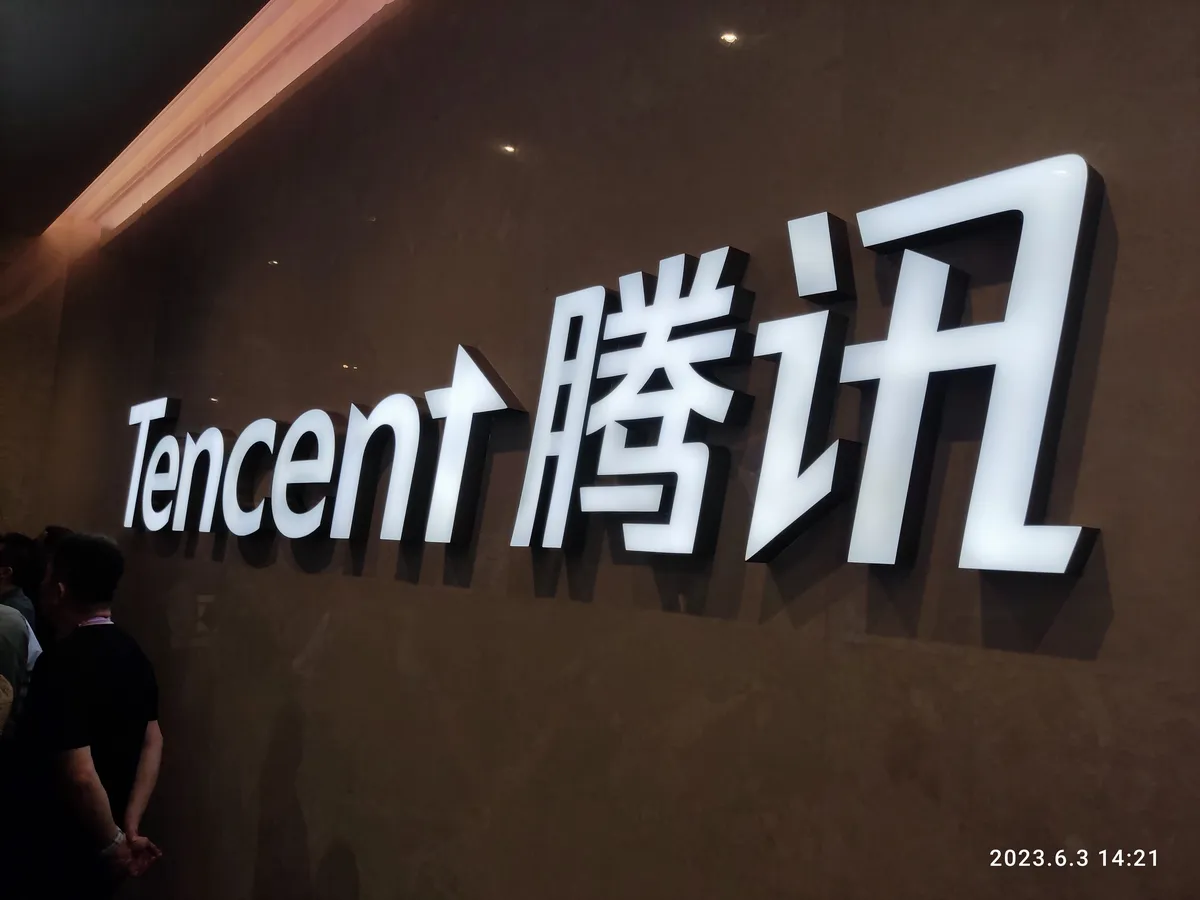
Tencent reported stronger-than-expected second-quarter earnings, driven by significant growth in its advertising revenue fueled by advanced artificial intelligence integration.
Financial Performance and AI Momentum
The Chinese technology giant surpassed analyst expectations for the quarter, signaling robust operational health despite broader market volatility. The company's financial results demonstrated that its strategic investments in AI are beginning to translate directly into tangible commercial gains across its advertising platforms.
Specifically, Tencent highlighted the effectiveness of its AI-enhanced advertising tools, which reportedly allowed advertisers to achieve higher engagement rates and more precise targeting than previous methods. This technological edge appears to be a primary driver behind the revenue beat reported in the latest fiscal filing.
While detailed segment breakdowns remain complex, the strength in ad sales suggests that the monetization of Tencent's massive user base is becoming increasingly sophisticated through machine learning applications. The ability to serve highly relevant advertisements at scale is proving to be a critical differentiator in the competitive Asian tech landscape.
The company’s overall revenue growth reflected not just advertising strength but also stability across its gaming and social media ecosystems, providing a diversified foundation for the reported profits. Management commentary emphasized the ongoing commitment to integrating generative AI capabilities into user-facing products, anticipating further optimization in ad delivery.
Strategic Outlook and Market Positioning
Tencent’s performance places it at the forefront of China's digital transformation narrative, where technological prowess directly dictates market valuation. The Q2 results serve as validation for its aggressive pivot toward becoming an AI-driven platform company rather than simply a social networking entity.
Analysts are closely scrutinizing how sustainable this advertising growth is, particularly given the ongoing regulatory environment in China concerning big tech operations. However, the immediate data suggests that the improvements in ad efficiency provide a strong buffer against potential headwinds or shifts in consumer spending patterns.
The integration of AI into advertising is not merely an incremental improvement; it represents a structural shift in how digital commerce functions on Tencent’s network. By refining targeting algorithms and optimizing campaign placements, the company extracts greater value from its existing traffic volume.
Looking forward, investors are focused on the deployment timeline for next-generation AI features across WeChat and other properties. The success of the Q2 advertising push suggests that this technological moat is widening, strengthening Tencent’s competitive position against rivals in both domestic and international markets. Further details regarding capital expenditure plans related to AI infrastructure will be key indicators of future growth trajectory.